




shape shape2 shape3 shape4
home // blog

Industry news

Permanent vs. Retractable Sunroom: Add Space Without Stress

Growing the usable space on your property brings more daily comfort and may raise its resale value. Yet owners and builders often face surprises from local codes on setbacks and permits. Deciding between a permanent sunroom vs. a retractable patio enclosure means knowing how officials view fixed space versus flexible outdoor options.

  • Building Code Compliance: Checking municipal regulations and sunroom permit requirements early helps prevent project delays and costly design changes.
  • Property Value Optimization: Understanding whether a sunroom counts as living space helps guide budgeting, tax planning, and architectural decisions.
  • Climate and Year-Round Usability: Selecting energy-efficient aluminum profiles supports year-round comfort regardless of severe outdoor weather.
  • Engineered Structural Solutions: Partnering with an experienced aluminum sunroom manufacturer like PAVIDAprovides access to engineered custom aluminum sunroom structures designed for long-term durability.

Navigating Zoning and Permit Realities for Sunrooms

Before starting any home expansion project, property owners should review how local municipalities classify sunroom additions. Understanding sunroom zoning requirements, permit rules, and property setbacks helps prevent construction delays, fines, or later compliance adjustments.

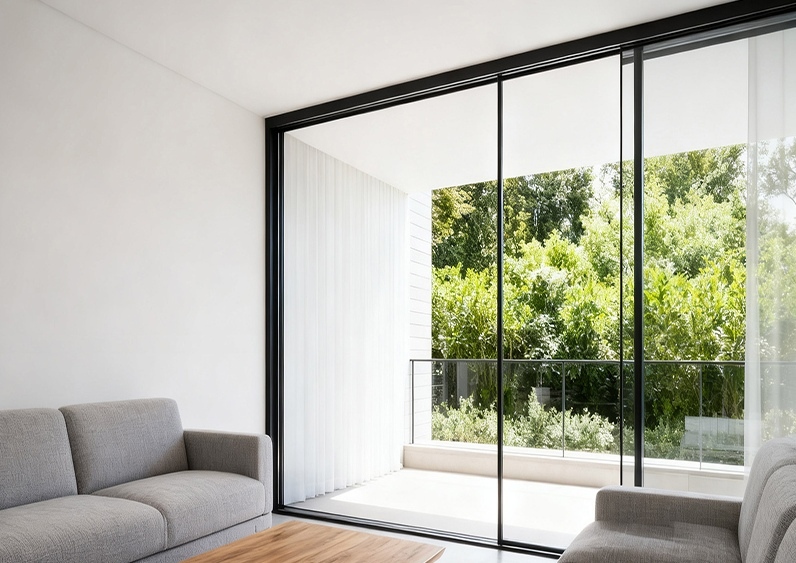
Sunroom zoning and permit requirements overview

Do You Need a Permit for Your Patio Enclosure?

Building authorities examine outdoor construction based on its structural stability, its foundations and attachments, connections to utilities, and the relevant zoning regulations.

  • Sunroom Permits: A common question that homeowners ask is whether the sunroom needs a permit. A permanent sunroom structure typically requires city approval, but the actual requirements for sunroom permits differ from place to place.
  • Valuation as Living Space: Whether a sunroom can be considered living space depends on local regulations, the presence of heating and cooling systems, insulation, and the adherence to conditions required for a conditioned habitable space. An all-year-round (seasonal) sunroom may have different status from a non-conditioned patio structure.
  • Setback Regulations: Adhering to the sunroom setback regulations ensures that the addition is set back from property lines correctly.

The permit for a patio enclosure applies to some retractable or seasonal structures as well.

Permanent Sunrooms vs. Retractable Enclosures: Zoning Impact

Picking between a permanent sunroom vs retractable patio enclosure shapes how planning offices judge structural permanence, lot coverage, and building area.

  • Sunroom Zoning Requirements: A permanent sunroom tends to count as a main structural addition. A retractable patio enclosure may land in a separate zoning group or accessory category, all based on local rules.
  • Lot Coverage Ratios: Some areas treat a retractable patio enclosure differently for lot coverage than a room with fixed walls and a real foundation.

Sunroom zoning requirements differ by location. Owners should not assume that retractable systems skip permit or zoning checks on their own.

Evaluating Architectural Performance and Material Options

Selecting the optimal enclosure requires balancing all-weather protection against spatial flexibility. Advanced aluminum framing and glazing systems can support durability, comfort, and architectural integration.

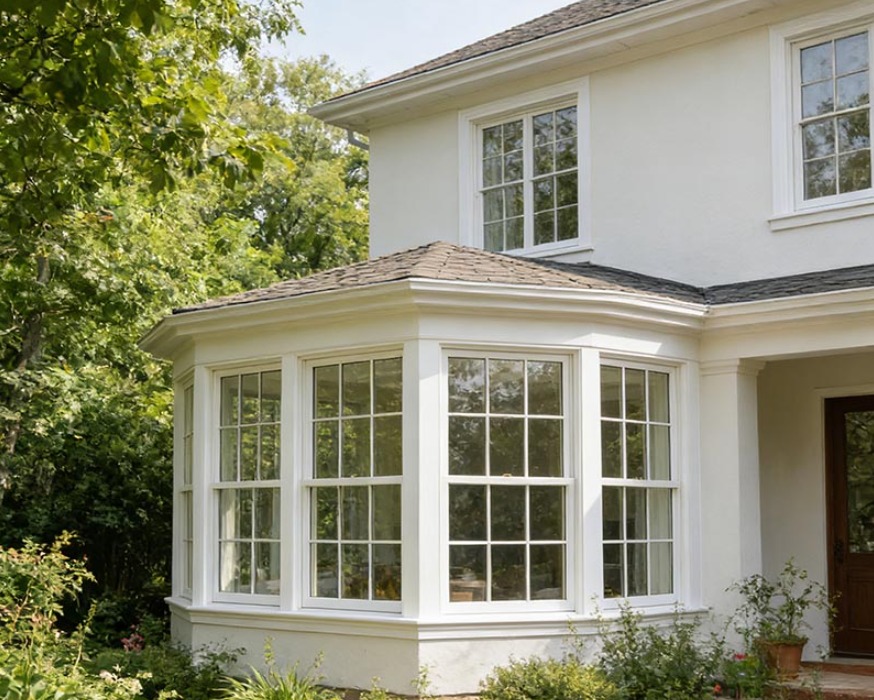
Permanent sunroom vs. retractable patio enclosure comparison

The Four Season Permanent Sunroom

A four-season sunroom comes as a fixed room that holds up well against the weather. It allows steady use throughout the year.

  • Thermal Isolation: A high-performance permanent sunroom relies on insulated glazing and a thermal-break aluminum sunroom frame. This setup cuts unwanted heat transfer.
  • Structural Integrity: Engineered aluminum frames handle wind, snow, and other loads for each project.

A well-planned aluminum glass sunroom brings in plenty of daylight. It keeps the strength needed for a permanent addition.

The Retractable Patio Enclosure

A retractable patio enclosure gives more flexibility. It lets users open or close the space according to weather conditions outside.

  • Dynamic Space Control: A retractable patio enclosure turns an open terrace or deck into a sheltered area when needed.
  • Seasonal Versatility: Retractable systems provide shade and weather protection while allowing greater openness during mild seasons.

For buyers comparing a permanent sunroom vs. a retractable patio enclosure, the main trade-off is generally between stronger year-round enclosure performance and greater seasonal flexibility.

PAVIDA Engineering Solutions for Modern Living Extensions

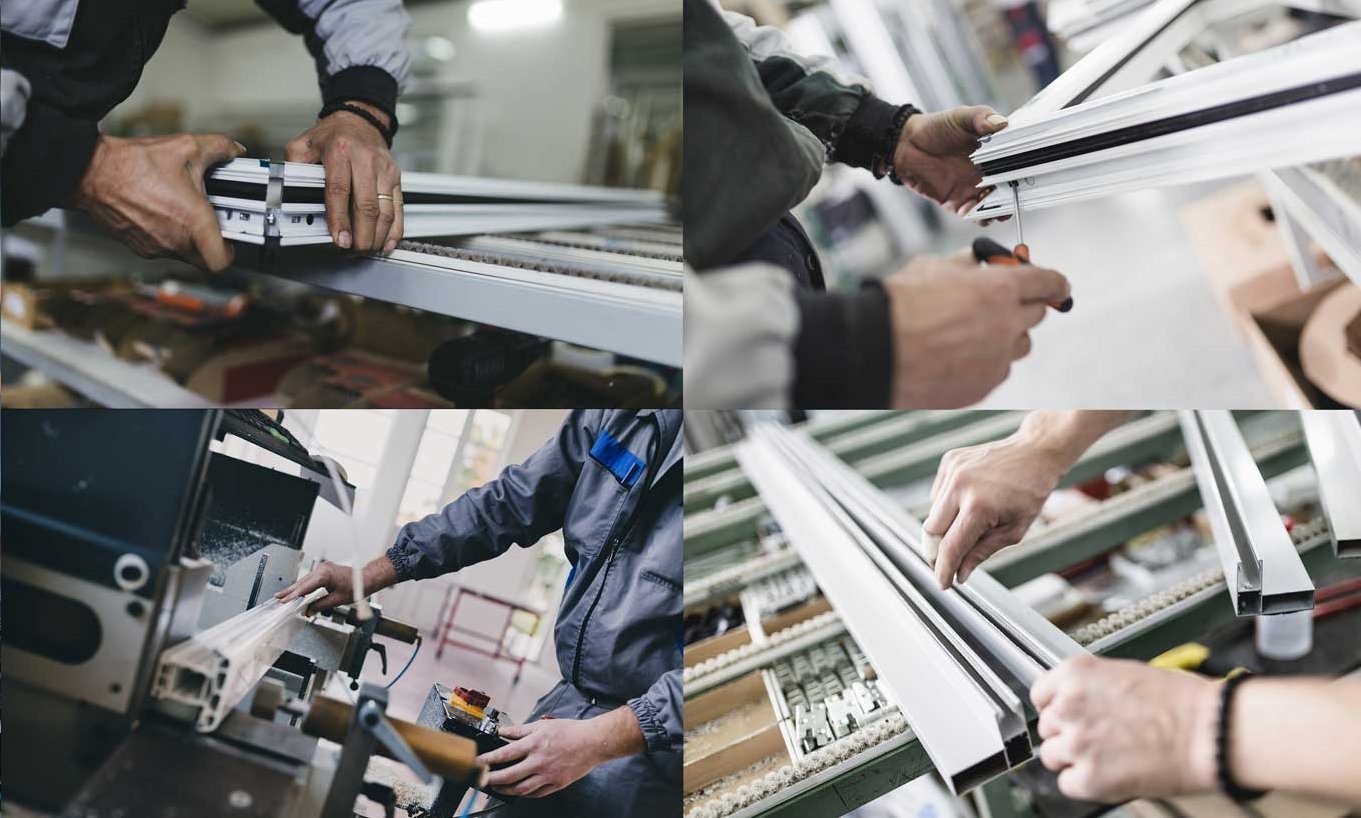
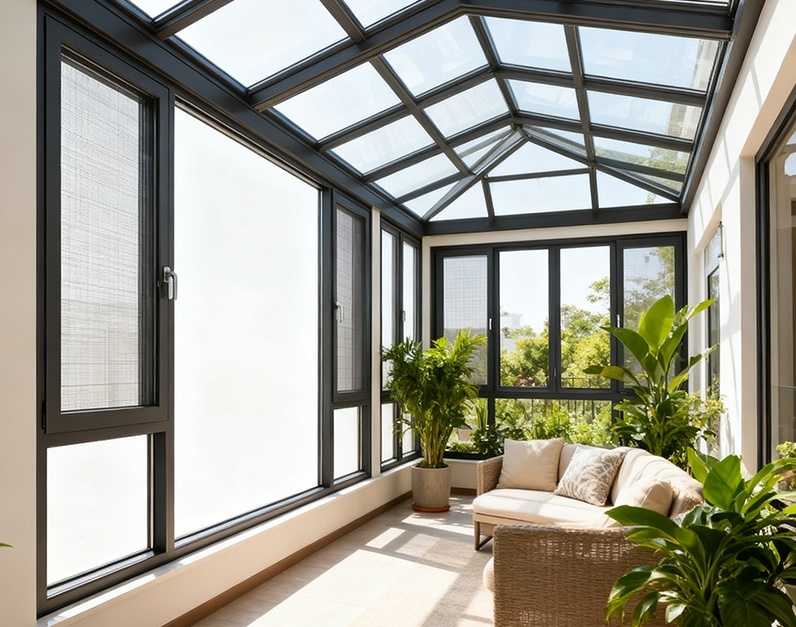
Modern architectural additions demand precision engineering, climate adaptability, and reliable manufacturing. As an established aluminum sunroom manufacturer, PAVIDA develops custom aluminum sunroom systems for residential and commercial applications.

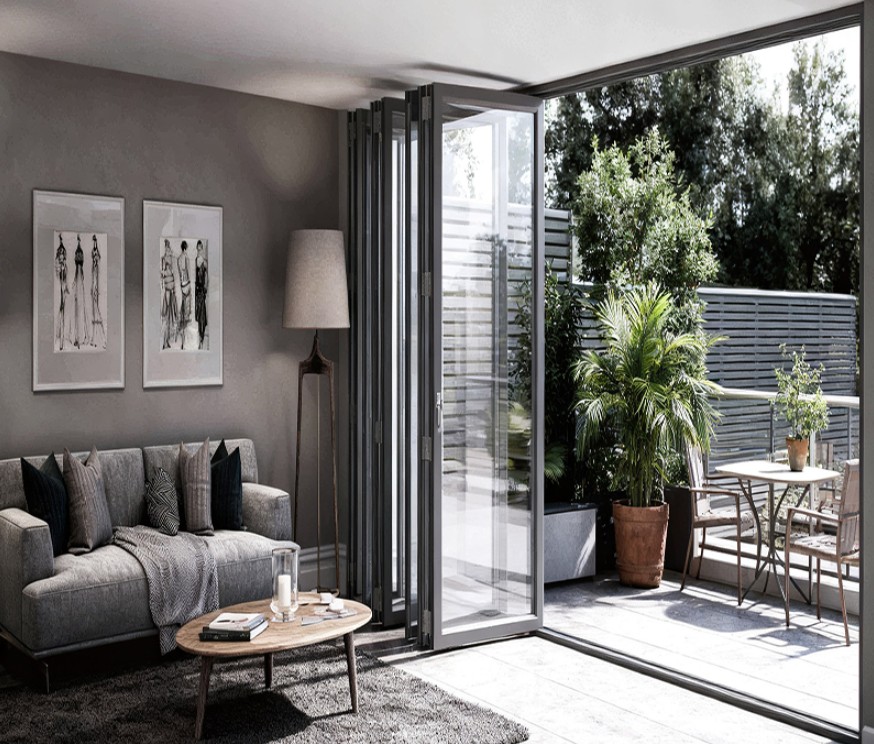
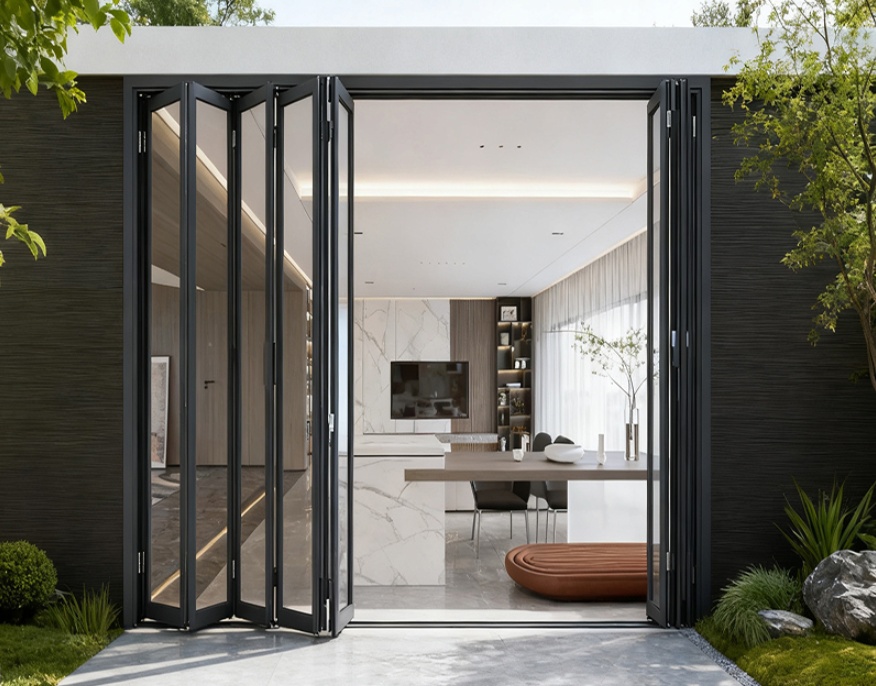
Custom aluminum sunroom with thermal break and folding doors

High-Performance Thermal Break Aluminum Sunrooms

Advanced profile design helps address thermal loss commonly associated with large glazed structures.

  • Multi-Cavity Insulation: A PAVIDA thermal break aluminum sunroom uses insulating barriers within the aluminum framing to reduce direct heat transfer between interior and exterior surfaces.
  • All-Weather Sealing: A weather-resistant aluminum glass sunroom can incorporate EPDM seals, drainage channels, and sloped roof design to help manage wind-driven rain and water runoff.

For homeowners planning a four-season sunroom, combining insulated glazing with a thermal break aluminum sunroom frame can improve year-round comfort.

Seamless Outdoor Integration with Bi-Folding Door Systems

Maximizing daylight and opening width requires suitable door-system integration.

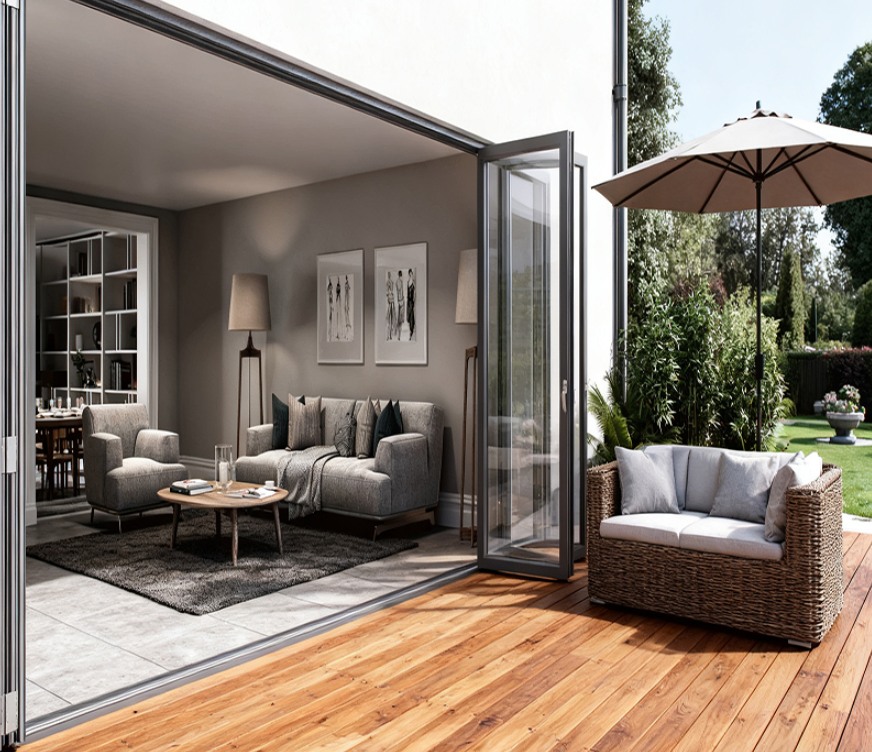
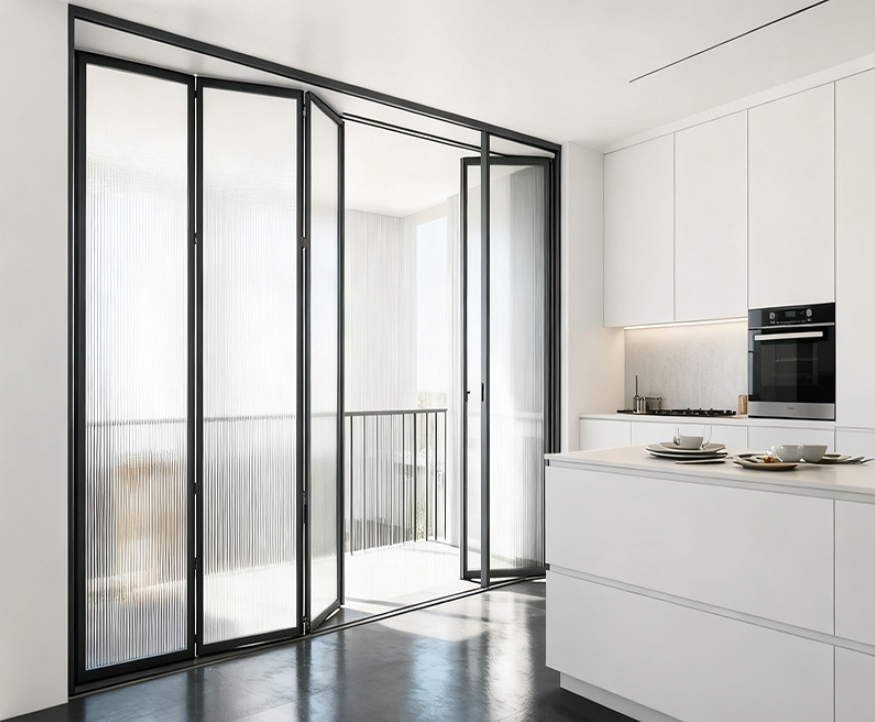
  • Frameless Visual Continuity: A sunroom with folding doors allows large glass panels to stack to the side, helping create a wide transition between interior and outdoor areas.
  • Hardware Integration: PAVIDA can integrate suitable folding and sliding hardware according to project configuration and door size.

A sunroom with folding doors is especially useful when homeowners want a permanent sunroom that can still feel open during favorable weather.

Comprehensive Customization and One-Stop Support

Every building requires different dimensions, roof geometry, finishes, and installation details.

  • Roof Geometry Options: PAVIDA can manufacture custom aluminum sunroom configurations with flat, sloping, curved, or gable-style roofs according to project requirements.
  • End-to-End Service: Project support can include design coordination, production, installation guidance, and after-sales assistance depending on project scope.

Practical Applications in Residential and Commercial Projects

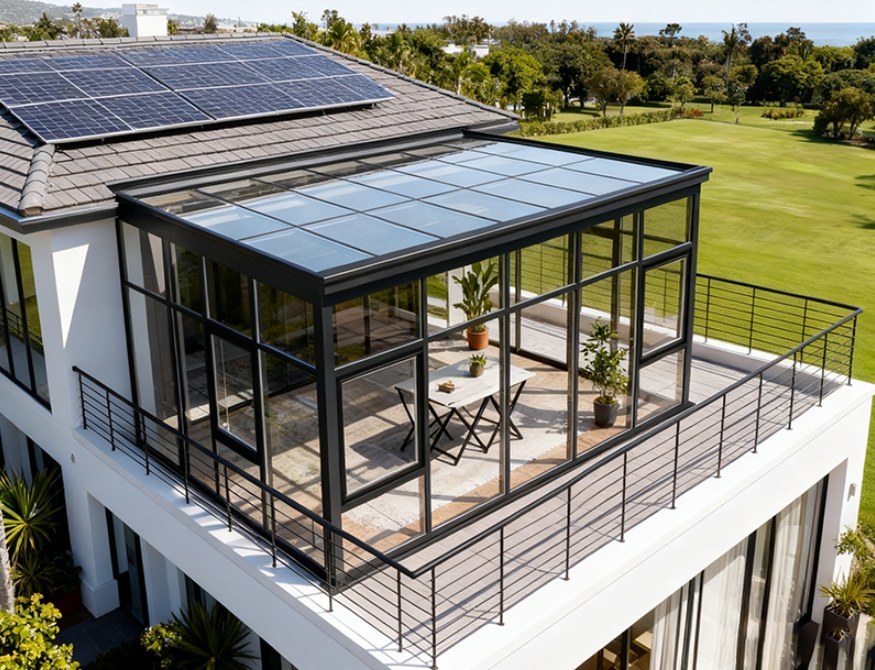
A custom aluminum sunroom can transform underused terraces, patios, balconies, and rooftops into more functional spaces.

Custom aluminum sunroom for residential and commercial spaces

Residential Villa and Terrace Upgrades

Homeowners convert unused balconies, open terraces, and backyards into functional living areas.

  • Villa Space Expansion: Residential properties can use a thermal-break aluminum sunroom or aluminum glass sunroom to create home offices, plant rooms, play areas, or relaxation spaces.

Commercial Hospitality and Rooftop Venues

Commercial venues can use structural glass enclosures to increase seasonal usability of terraces and semi-outdoor areas.

  • Commercial Lounge Venues: Hotels, restaurants, and hospitality properties can use fixed or retractable enclosures according to climate, zoning, and operational requirements.

Unlock Your Property’s Full Potential with PAVIDA

Ready to compare a permanent sunroom vs retractable patio enclosure for your property? PAVIDA provides factory-direct custom aluminum sunroom manufacturing and project support for different architectural requirements.

Contact PAVIDA Today to discuss your sunroom permit requirements, dimensions, glazing, roof style, and preferred enclosure type.

FAQ

Q: Do you need a foundation for a 4-season sunroom?

A: There is usually a need for a foundation for a 4-season sunroom, but whether you need it or not will depend on your local building regulations, soil quality, etc.

Q: Is a permit required for a sunroom?

A: Depending on the regulations in your region, a sunroom will require a permit. If the structure is a retractable one, then it could be possible that the rules will be different.

Q: Is a sunroom considered living space?

A: Whether or not a sunroom will be considered a living space is going to depend on many factors, including whether or not it is a conditioned room and many other factors, like the type of roof.

Q: How do setbacks affect the size of a sunroom?

A: The setback rules dictate the required distances of any addition from property lines. It might be necessary to alter the plans if they do not meet those requirements.

Q: What is the difference between a permanent sunroom and a retractable patio enclosure?

A: The permanent sunroom gives you an all-season room, while the retractable option gives you an open view. The best choice will depend on various factors.


11th September 2026

How Much Does an Aluminum Garage Door Cost? 2026 ROI Guide

Updating your entryway is among the best ways of increasing curb appeal, efficiency, and security of your house. When estimating how much the aluminum garage door will cost, the latest industry statistics suggest that projects in 2026 across the nation have aluminum garage door costs ranging from $1,500 to $8,000+. The final aluminum garage door cost in 2026 will depend on the size, glazing options, insulated frames, hardware, and installation needs. Assessing the overall investment should be done by focusing on the durability, weathering, thermal properties, and the total cost of the aluminum garage door.

  • High Curb Appeal Enhancement: Modern aluminum profiles combined with glass panels create an impressive appearance, increasing the appraised value of the property.
  • Superb Durability and Ease of Care: Outstanding corrosion-resistant characteristics of aluminum make it a great choice for coastal areas with high humidity as opposed to rust-prone steel.
  • High Level of Energy-Efficiency: Thermal break aluminum garage door profiles reduce heat transfer, improving temperature in attached garages.

Identifying the right combination between the aluminum garage door cost and performance involves gaining insight into the construction principles of aluminum doors. Being a specialized company manufacturing high-end aluminum windows, doors, and sunrooms worldwide, PAVIDA can offer factory-direct solutions providing structural integrity and durability.

2026 Aluminum Garage Door Cost Breakdown by Size and Style

Understanding garage door cost by size and configuration allows homeowners and project planners to set more accurate budget expectations for an aluminum garage door cost 2026 estimate.

Aluminum garage door cost by size and insulation options

Garage Door Cost by Size and Glass Configuration

The dimensions and glass panel selections act as the base of your aluminum garage door cost price initially.

  • Cost of Single Car Garage Door: Single-bay openings measuring between 8×7 ft and 9×8 ft in size are priced at $1,500 and $3,500 for completely finished aluminum framing.
  • Cost of Double Aluminum Garage Door: The cost of a double aluminum garage door is usually in the range of $2,800 and $6,500 for two-bay openings ranging from 16x7ft to 18x8ft.
  • Full View Aluminum Garage Door Cost: The cost of a full-view aluminum garage door is in the range of $3,200 to $7,800 for modern tempered glass garage doors.

If you are comparing the cost of your garage door according to size, then wider doors and bigger glass panels may require additional framing profiles, tracks, and garage door hardware.

Material Grade and Thermal Break Technology Pricing

Frame engineering and insulation choices directly influence custom aluminum garage door cost, thermal performance, and service life. These decisions shape how the door performs day after day.

  • Standard Extrusions vs High-Grade Alloys: Basic thin-walled aluminum profiles represent entry-level pricing. Structural 6063-T5 virgin aluminum alloy adds moderate cost and improves rigidity along with resistance to warping.
  • Insulated Aluminum Garage Door Cost: An insulated aluminum garage door cost can be 20% to 35% higher than basic configurations. This occurs when foam-filled panels or insulated frame systems are used.
  • Thermal Break Aluminum Garage Door Tech: A thermal break aluminum garage door incorporates internal insulating barriers between exterior and interior aluminum sections. These barriers reduce direct heat transfer through the frame in varying weather.

Comprehensive Garage Door Installation Cost and ROI Analysis

A complete garage door cost breakdown should include not only the door itself but also professional labor, opening preparation, accessories, and long-term property value.

Garage door installation cost and ROI breakdown

Garage Door Installation Cost Breakdown

Professional garage door installation cost varies according to opening condition, door size, track system, and accessory requirements.

  • Professional Labor Expenses: Technician labor, track assembly, spring system setup, and old door removal typically add $300 to $1,000 to the total garage door cost breakdown.
  • Custom Fitting and Framing Preparation: Structural modifications to non-standard openings or low-clearance installations may add $200 to $600.
  • Smart Opener Integration: Motorized opener systems with battery backup, remote access, or keypad controls can add $350 to $850 depending on specifications.

When asking how much an aluminum garage door costs, buyers should therefore calculate both product price and garage door installation cost rather than comparing door-only quotations.

Garage Door Replacement ROI and Long-Term Value

A modern aluminum garage door can also contribute to resale appeal and reduce long-term maintenance requirements.

  • High Capital Recoupment: A strong garage door replacement ROI can come from improved curb appeal, updated exterior styling, and increased buyer perception of property condition.
  • Reduced Energy Expenses: A thermal break aluminum garage door with insulated panels can reduce unwanted heat transfer in attached garages.
  • Minimal Maintenance Expenses: Powder-coated aluminum surfaces avoid many of the repainting and anti-rust treatments required by conventional steel or timber doors.

The overall garage door replacement ROI depends on local housing values, installation quality, door condition, and the specification selected.

Factory-Direct Value with PAVIDA Custom Aluminum Solutions

Sourcing directly from an established factory can improve specification flexibility while helping buyers control custom aluminum garage door cost.

Factory-direct custom aluminum garage doors by PAVIDA

High-Performance Product Applications and Technical Engineering

Purpose-built aluminum systems can address environmental challenges ranging from coastal salt spray to temperature variation and urban noise.

  • Coastal Villa Application: For seaside residences exposed to high winds and salt fog, PAVIDA manufactures aluminum door systems using 6063-T5 virgin aluminum alloy and durable exterior surface treatments.
  • Carved Door Series Engineering: For luxury estate entrances and connected garages, the Carved Door Series incorporates PA66 nylon insulation strips and multi-channel EPDM sealing to improve thermal and weather performance.
  • Hardware and Security System Integration: PAVIDA integrates premium hardware systems, including HOPPE, SIEGENIA, and ROTO components, according to project requirements.

Tailored Sizing, Architectural Customization, and Direct Sourcing

Direct factory ordering helps with non-standard projects and cuts out extra steps in between.

  • Custom Aluminum Garage DoorCost Efficiency: Purchasing a factory-direct aluminum garage door from an experienced aluminum garage door manufacturer China like PAVIDA gives buyers more direct control over profile dimensions, glazing, finishes, and hardware details.
  • Bespoke Architectural Finishes: PAVIDA offers custom profile finishes such as sand gray, matte black, metallic bronze, and wood-grain effects that match various building styles.
  • End-to-End Technical Support: Engineering help covers CAD drawings, size coordination, and project-specific guidance for openings that fall outside standard sizes.

For buyers comparing aluminum garage door price options, a factory-direct aluminum garage door works well when standard retail sizes or finishes fall short of project needs.

Improve your property’s look, security, and energy performance with premium custom aluminum doors. Reach out to PAVIDA for a factory-direct quotation and to review your custom aluminum garage door cost based on the actual dimensions and specs.

FAQ

Q: Is the durability of aluminum garage doors high enough for severe weather conditions?

A: Yes. Aluminum systems designed properly provide good corrosion resistance and are well suited for humid and coastal environments where material durability is important.

Q: What is the cost of an aluminum garage door in 2026?

A: The cost of an aluminum garage door in 2026 will depend on size, glazing, insulation, finish, hardware, and garage door installation cost. The final quote includes the price of an aluminum garage door and its installation.

Q: What is the difference between insulated and non-insulated aluminum garage door costs?

A: Insulated aluminum garage door costs are somewhat higher due to materials and manufacturing. A thermal break aluminum garage door might be better for temperature management in attached garages.

Q: What factors affect the cost of a full view aluminum garage door?

A: The cost of a full view aluminum garage door is affected by the size, type of glass, glass thickness, tinting, low-e option, finish of the frame, and hardware.

Q: Why buy from an aluminum garage door manufacturer China?

A: Buying from an aluminum garage door manufacturer China gives you more freedom in dimensions, glazing, finish, hardware, and customizations.


10th September 2026

Thermal Break Aluminum Front Doors: Stop Drafts & Save Energy

Building standards for walls and roofs grow stricter every year. Modern designs put more weight on HVAC performance, eco-friendly choices, and indoor comfort. Heat loss and air leaks at the front door create major weak spots in home insulation. Standard aluminum frames transfer heat quickly. This causes drafts, higher bills, and condensation when weather turns extreme. An insulated aluminum front door with strong thermal barriers solves these problems. PAVIDA works as a thermal-break aluminum door manufacturer. The company creates high-performance doors that include tight weather seals, solid insulation layers, and elegant style.

Understanding Thermal Bridging and Heat Loss in Modern Entrances

Modern building envelopes rely on continuous insulation to minimize energy transfer across structural components. When main entrance openings lack proper thermal breaks, total building energy efficiency drops significantly across the entire façade. Effective thermal break aluminum door systems are designed to eliminate thermal bridging and improve overall entrance performance.

Thermal break aluminum door system reducing heat loss and bridging

The Science of Thermal Bridging: How Solid Metal Transfers Heat and Cold Air

Uninsulated metal frame assemblies create direct conductive pathways between interior and exterior environments.

  • Conductive path creation: Solid aluminum possesses high thermal conductivity, allowing cold outdoor air to pull indoor heat out rapidly during winter months, increasing front door heat loss.
  • Thermal bridging impact: Unmitigated thermal bridging weakens overall building envelope performance, causing interior frame surfaces to cool drastically and forcing heating equipment to operate continuously.

Front Door Air Leakage and U-Factor Impact on HVAC Efficiency

A low front door U-factor combined with tight perimeter sealing controls overall building energy consumption.

  • U-factor performance: Lower front door U-factor ratings indicate reduced summer heat gain and minimized front door heat loss during severe freezing weather.
  • Air infiltration mitigation: Poor sealing around the entrance increases front door air leakage, forcing HVAC units to cycle repeatedly to maintain stable indoor temperatures.

A properly engineered thermal break entry door helps reduce these issues by combining insulated profiles, sealing systems, and advanced glazing solutions.

Advanced Engineering: Thermal Break Aluminum Door Construction

High-performance, energy-efficient front door designs eliminate thermal bridging through engineered composite profile architecture. These systems integrate specialized mechanical separation materials directly inside the aluminum profile.

Thermal break aluminum door profile with PA66 insulation and Low-E glass

PA66 Nylon Insulating Strips and Multi-Chamber Internal Geometry

Modern profile design physically separates exterior and interior aluminum extrusions using durable structural polymers.

  • PA66 thermal break: High-density PA66 nylon insulating strips mechanically join split aluminum extrusions while completely reducing conductive thermal transfer through the frame.
  • Polyamide thermal barrier: A continuous polyamide thermal barrier inside the frame stops energy migration, helping maintain stable indoor temperatures across changing seasons.
  • Multi-chamber geometry: Internal air cavities within the profile act as dead-air buffers that reduce conductive and convective heat movement.

This construction approach allows a thermal-break aluminum front door to achieve improved insulation performance compared with conventional aluminum entrance systems.

EPDM Weatherstripping and Low-E Glass Systems

Glazing and compression sealing work simultaneously to eliminate drafts and radiant heat loss across the entryway.

  • EPDM weatherstripping: Multi-layer EPDM weatherstripping gaskets compress tightly along door perimeter stops to block draft leaks, moisture penetration, and outside street noise.
  • Low-E glass entry door: Argon-filled double or triple glazing with Low-E glass entry door technology reflects infrared heat back to its source while allowing natural daylight transmission.

Together, thermal profiles, EPDM weatherstripping, and glazing upgrades create a complete high-performance entrance solution.

Practical Benefits and High-Performance Application Scenarios

Fitting a thermal break entry door brings clear gains in room comfort and trims monthly energy bills in houses and offices alike. These upgrades tackle common temperature swings that show up in bigger or more complex building jobs.

Thermal break doors improve comfort and energy efficiency

Eliminating Glass Condensation and Thermal Draft in Winter

Big swings between warm indoor air and freezing conditions outside often lead to moisture on glass and unwanted drafts.

  • Condensation prevention: Raising the interior frame surface temperature above the dew point helps prevent glass condensation, protecting indoor finishes from moisture damage.
  • Draft-free comfort: High-performance thermal break aluminum front door systems reduce cold spots in living spaces located directly adjacent to main entrances.
  • Villa entryway resilience: Large energy-efficient front door systems installed in cold regions help stop floor-level drafts while maintaining uniform indoor climate control.

Contribution to LEED and Green Energy Building Certifications

Quality outside doors help projects hit green targets in upscale homes, retail spots, and certified builds where energy rules are strict.

  • Commercial green standards: Commercial projects aiming for LEED certification utilize thermally broken entrance systems to meet building envelope energy targets.
  • Climate-sensitive retail: High-traffic storefronts reduce internal heat exchange during frequent door opening cycles, lowering monthly utility expenditures.
  • Bespoke luxury estates: Premium residential projects achieve green building objectives while maintaining elevated architectural aesthetics through customized thermal break aluminum door solutions.

Engineering Precision with PAVIDA Entry Systems

Selecting an experienced thermal break aluminum door manufacturer ensures your entrance meets exacting energy requirements without compromising visual impact. PAVIDA integrates custom manufacturing capabilities with technical expertise to deliver tailored architectural entrance systems.

Thermal break aluminum pivot door custom entrance engineering solution

Custom Pivot and Carved Door Engineering Solutions

Grand entryways demand specialized structural engineering that maintains thermal integrity despite oversized dimensions.

  • Thermal break aluminum pivot door: Heavy-duty hardware supports large pivot entrance designs while maintaining complete thermal break profile integrity.
  • Carved door aesthetics: Precision-carved insulated aluminum front door panels combine customized exterior finishes with durable structural cores.

Tailored CAD Design and Technical Support

Achieving excellent airtightness requires thorough pre-construction planning and precise manufacturing tolerances.

  • Full CAD integration: Custom engineering drawings ensure exact sizing for non-standard rough openings, double-leaf layouts, and oversized pivot systems.
  • End-to-end technical support: Complete design-to-installation support helps architects, builders, and designers implement customized thermal break aluminum door solutions.

Upgrade your architectural projects with high-efficiency entrance solutions that maximize HVAC performance and elevate property value. Contact PAVIDA today to explore custom entrance options, request CAD drawings, and receive tailored project quotations for your next build.

FAQ

Q: What is a PA66 thermal break in an aluminum front door?

A: A PA66 thermal break is a structural polyamide strip placed between inner and outer aluminum frames to reduce thermal conductivity and improve energy efficiency.

Q: How does a thermal break entry door reduce HVAC energy costs?

A: By lowering the front door U-factor and reducing front door air leakage, a thermal break entry door minimizes heat transfer in summer and winter, reducing HVAC workload and utility costs.

Q: Can a thermal break aluminum pivot door handle extreme weather climates?

A: Yes. A thermal break aluminum pivot door combines multi-chamber profiles, EPDM weatherstripping, and Low-E glazing technology to help block cold drafts, moisture, and excessive thermal exchange.

Q: Why is Low-E glass essential for an insulated aluminum front door?

A: A Low-E glass entry door uses a transparent coating that reflects radiant heat back into the building during winter and reduces solar heat gain during summer, improving overall entrance efficiency.


4th September 2026

Roller Shutter vs. Sectional Garage Doors: Which Fits Your Villa

Introduction: The Architectural Dilemma of Villa Garage Design

Choosing the right garage door for a high-end home involves matching style, space use, security, and reliable performance over time. Architects and homeowners comparing a roller shutter vs sectional garage door base their decision on garage layout, facade style, insulation needs, and automation requirements.

Aligning Garage Door Systems with Architectural Identity

A high-end villa needs a garage entry system that fits with the stone exterior, glass elements, and balanced look of the facade.

  • Curbside Elevation: A custom aluminum garage door stands out and sets the visual style for a luxury villa garage door design right away.
  • Functional Integration: Deciding between a roller shutter vs sectional garage door depends on ceiling space, how much insulation is needed, room to operate, and the look you want.
  • Bespoke Craftsmanship: Careful production means that picking a roller shutter garage door or sectional garage door lets every architectural garage door fit smoothly into the home’s automated setup.

As a custom garage door manufacturer and aluminum garage door manufacturer focused on this work, PAVIDA uses quality aluminum parts, solid hardware, and custom design to help create tailored entry and garage systems for high-end homes.

Sectional Garage Doors: Versatile Aesthetics and High Thermal Insulation

A sectional garage door consists of hinged horizontal panels that slide vertically along overhead tracks, providing strong structural stability and extensive design customization. This configuration remains a popular choice for modern villa garage door projects that emphasize luxury aesthetics, glazing options, and thermal protection.

Thermally insulated sectional garage door with customizable architectural glazing

Design Flexibility and Architectural Glass Integration

Sectional designs give designers lots of creative freedom. They mix metal frames with large glass areas to fit the building style.

  • Luminous Glazing Options: An aluminum glass garage door permits natural light to illuminate luxury vehicle collections while maintaining privacy through tinted, frosted, or mirrored glass.
  • Custom Exterior Finishes: Tailored anodized aluminum, fluorocarbon coatings, or precision wood-grain finishes work well. They let a custom aluminum garage door match nearby windows, doors, cladding, and residential millwork.
  • Seamless Panel Alignment: Flush horizontal panel joints create a continuous visual surface when closed, enhancing the clean geometric lines expected from a contemporary architectural garage door.

Performance Features for Extreme Climates and Energy Efficiency

Strong insulation and tight seals around the edges shield the garage from rough weather while cutting HVAC energy loss.

  • Thermal Break Profiles: PA66 nylon strips sit inside the multi-chamber aluminum sections and cut heat flow. This improves the results for an energy-efficient garage door.
  • Weather-Tight Perimeter Sealing: EPDM rubber gaskets run all the way around and block wind, rain, and dust in bad storms.
  • Acoustic Sound Dampening: The insulated panels soak up outside noise and keep living areas beside the garage quieter.

A thermally optimized sectional garage door brings real gains for climate-controlled garages over plain entry systems.

Roller Shutter Garage Doors: Space Optimization and Sleek Overhead Efficiency

A roller shutter garage door uses narrow interlocking aluminum slats that roll compactly into a headbox positioned directly above the opening. This design is particularly suitable for properties with limited ceiling space or specialized driveway layouts.

Roller shutter garage door maximizing space with smart security

Space-Saving Engineering for Unique Villa Layouts

By eliminating internal ceiling tracks, a roller shutter garage door optimizes interior garage height and preserves overhead utility space.

  • Maximized Overhead Clearance: Compact coiling leaves ceiling space clear for customized lighting, storage systems, ventilation equipment, or low structural beams.
  • Zero Projection Operation: The curtain moves vertically without swinging outward, allowing vehicles to park close to the opening.
  • Subterranean Suitability: Compact box profiles fit well into underground parking areas where overhead clearance is restricted by ductwork, concrete beams, or utilities.

These advantages make the roller shutter option attractive in modern villa garage door projects where usable interior space is a major design priority.

Enhanced Security Mechanisms and Smart Automation

Advanced engineering allows compact rolling curtains to combine physical security with convenient automated operation.

  • Anti-Lift Lock Mechanics: Interlocking aluminum garage door slats combined with reinforced bottom bars help resist forced lifting or physical tampering.
  • Automated Smart Drive: An automatic garage door system provides smooth powered opening and remote operation for daily residential convenience.
  • Smart Home Connectivity: A smart garage door can integrate with mobile apps, keyless access systems, remote controls, and broader residential security networks.

Comprehensive Comparison: Choosing the Ideal System for Your Estate

Selecting between a roller shutter vs sectional garage door involves looking at garage size, heat needs, building style, and build priorities. Both systems can last many years when produced by a qualified aluminum garage door manufacturer.

Custom aluminum garage doors tailored to diverse luxury estate needs

Application Scenarios: Matching Door Types to Architectural Demands

Different home styles bring their own build issues that shape garage door choice.

  • High-Wind Coastal Estates: A reinforced insulated garage door with strong sectional panels gives solid support. Proper coatings also guard the aluminum surface from salt air near the coast.
  • Minimalist Showroom Garages: Modern villas with floor-to-ceiling glass often choose a sectional aluminum glass garage door. This shows off premium cars and keeps the look consistent with the house.
  • Urban Estates with Short Driveways: A roller shutter garage door works well for small lots where internal overhead tracks or extra space would get in the way.

PAVIDA’s Custom Manufacturing, CAD Support, and Technical Services

PAVIDA delivers end-to-end engineering and custom manufacturing services to translate complex architectural concepts into production-ready garage door systems.

  • Tailored CAD Engineering: Specialized engineering teams prepare precise CAD drawings to support accurate installation of each custom aluminum garage door.
  • Corrosion-Resistant Alloys: High-grade aluminum profiles provide dimensional stability and resistance to rust, making them suitable for long-term luxury villa garage door applications.
  • Complete Technical Support: Engineers support projects from dimensional review and structural configuration through hardware and automation selection.

As both a custom garage door manufacturer and aluminum garage door manufacturer, PAVIDA can adapt sectional, rolling, glazed, and insulated systems to individual architectural requirements.

Conclusion and Custom Architectural Consultation

Whether your estate requires the expansive visual sophistication of a sectional garage door or the streamlined spatial efficiency of a roller shutter garage door, high-quality aluminum construction can support durability, security, and architectural consistency.

PAVIDA custom garage doors enhance luxury villa facades

Upgrade Your Villa Facade with Engineered PAVIDA Solutions

Transform your garage into an architectural feature with PAVIDA’s bespoke engineering capabilities.

  • Bespoke Design Alignment: Every energy-efficient garage door can be customized around CAD dimensions, facade colors, glazing requirements, and architectural details.
  • Schedule a Consultation: Contact PAVIDA to explore custom aluminum garage door, aluminum glass garage door, sectional, and roller shutter solutions for your villa project.

FAQ

Q: What is the major difference in structure between a roller shutter and a sectional garage door?

A: The roller shutter garage door rolls up into a small box at the top of the door. A sectional garage door goes up first before going up the overhead track.

Q: Do aluminum garage doors work in extremely hot or cold weather?

A: Yes. An aluminum garage door with thermal break profiles, insulated panels, and perimeter seals improves its performance in relation to energy. All these components ensure that a thermally efficient garage door is possible.

Q: Is there a way to use custom glass panels for garage doors?

A: Yes. A sectional aluminum glass garage door allows the use of double-glazed panels in various options such as tints, frosted, or mirrors. In roller shutters, it is done using interlocking aluminum slats.

Q: How do smart control systems improve garage door technology?

A: The smart garage door/automatic garage door enables the homeowner to control it through the use of a remote control, app, keypad, or home automation systems.


3rd September 2026

The Modern Entryway Standard: Why Aluminum Front Doors Win

Introduction: Rethinking the Entryway

The front entry door acts as the main design point on a house front. It shapes street appeal and blocks weather at the same time. Picking the best front door material means weighing style, heat performance, lasting strength, and security needs. Homeowners who check options like an aluminum front door often find it works well across all these points.

The Evolution of Front Door Materials

Modern architectural trends have fundamentally transformed home entryways from simple timber panels into highly engineered building envelope solutions.

  • Curb Appeal and Property Value: A high-end entrance elevates home resale value, establishing immediate visual impact with clean lines, modern styling, and refined profile finishes.
  • The Shift to High-Performance Entrance Systems: Traditional materials often fail under harsh climate swings, driving homebuilders toward an advanced modern aluminum front door system designed for lasting resilience.
  • Introducing PAVIDA: As a dedicated aluminum front door manufacturer, PAVIDA combines precision engineering with German system technology to craft high-performance doors designed for modern luxury living.

Material Showdown: Aluminum vs. Wood vs. Steel

To identify the ultimate material for entryways, architects evaluate performance across structural stability, resistance to environmental degradation, and long-term upkeep. Comparing aluminum vs wood front door options and aluminum vs steel front door systems highlights critical engineering trade-offs.

Thermal Break Aluminum Entrance Doors vs. Traditional Stee & Wood Doors

Structural Integrity and Warp Resistance

A front door must hold its exact shape. This holds true even with big temperature changes and direct moisture exposure.

  • Wood Doors: Timber offers natural warmth. Yet in any aluminum vs wood front door debate, wood suffers from swelling, bowing, and panel warping when exposed to moisture fluctuations. This leads to drafty air gaps.
  • Steel Doors: Steel provides high tensile impact resistance. But in an aluminum vs steel front door comparison, extreme thermal expansion can cause core delamination, frame warping, and unsightly surface denting.
  • Aluminum Front Doors: Engineered aluminum front door systems utilize high-strength aluminum alloy extrusions. These deliver exceptional rigidity without warping, bending, or sagging over decades of heavy daily use.

Performance Comparison Matrix

Performance Feature Aluminum Front Door Solid Wood Door Steel Entrance Door
Moisture / Warping Zero Warping / Rot High Risk of Swelling Low Risk (Rust Risk)
Maintenance Minimal Wipe-Down Periodic Resealing Paint Touch-Ups
Thermal Break Multi-Cavity PA66 Moderate Natural High Thermal Bridge
Security Multi-Point Hardware Standard Locks Heavy Metal Core

Maintenance and Long-Term Weather Resistance

Exterior doors face driving rain, strong sun, and winter frost year after year.

  • Upkeep Demands: Natural timber needs sanding, re-staining, and sealing every two years. Steel doors can develop edge rust if the paint gets scratched.
  • Powder-Coated Finishes: Luxury weather-resistant front doors use fluorocarbon or electrostatic powder coating. This gives a non-porous finish that stands up to corrosion, salt spray, and UV fading.
  • Low Maintenance Living: An aluminum front door cuts out seasonal repainting. It needs only a simple wash with mild soap and water.

The Science of Thermal Break Profiles in Front Doors

While metal has historically been viewed as conductive, modern entrance door design utilizes advanced double-break engineering to stop thermal transfer completely.

Thermal break aluminum front door with PA66 insulation and EPDM sealing

Blocking Thermal Bridging at the Main Entrance

An energy-efficient aluminum door relies on an insulated structural barrier within the metal profile itself.

  • Multi-Cavity PA66 Nylon Strips: PAVIDA puts thick PA66 polyamide strips into multi-cavity aluminum extrusions. The strips cut heat flow from outer to inner surfaces and create a thermal break in the aluminum front door.
  • Multi-Channel EPDM Sealing: High-density composite EPDM rubber strips sit all along the door frame. They form a tight air and water seal on every energy-efficient aluminum door.
  • Lower Energy Bills: A weather-resistant front door with a thermal break holds hallway temperatures steady. This cuts heating and cooling use through the year.

Design Versatility, Customization, and Smart Security

A modern aluminum front door must balance thermal insulation performance with architectural personalization and robust burglary protection.

Custom aluminum front door with smart security and versatile finishes

Architectural Flexibility and Aesthetic Finishes

Custom manufacturing allows homeowners to match any architectural theme, from Scandinavian minimalism to warm rustic designs.

  • Wood Grain Aluminum Finishes: Advanced thermal transfer printing gives the surface a real timber look. It produces a wood-grain aluminum front door that carries no risk of wood rot over the years.
  • Flush Panels and Glass Inserts: A custom aluminum front door can include clean flush panels along with integrated sidelights. It also offers energy-efficient double-glazed tempered safety glass, and smart privacy glass is available as an option when needed.
  • Multi-Point Security Systems: Every luxury aluminum front door from PAVIDA comes fitted with heavy-duty hinges and a multi-point locking front door mechanism. This setup works together with hardware leaders like German HOPPE, SIEGENIA, and ROTO. The result is strong resistance against forced entry in real home settings.

Conclusion & Upgrade Your Entrance

When comparing aluminum vs wood vs steel doors, thermally broken aluminum stands out as the best front door material for modern residential architecture. It pairs low upkeep with strong thermal performance. The material also handles weather well. In addition, it comes with multi-point locking systems that add security. A luxury aluminum front door brings real long-term value for homes that see daily use.

Partner with PAVIDA for Custom Entrance Solutions

Upgrade your property with a bespoke custom aluminum front door tailored to your exact architectural specifications.

  • Factory Direct Manufacturing: PAVIDA, a premier aluminum front door manufacturer, runs modern production lines. These lines produce accurate entrance door systems for clients worldwide.
  • Comprehensive Project Support: PAVIDA handles drawings and hardware picks. The team also manages shipping for wood-grain aluminum front door projects and other systems.
  • Contact PAVIDA Today: Check the full line of entrance door systems and sunrooms on the site. You can also talk to the sales team for a free review of your plans.

FAQ

Q: How does a thermal-break aluminum front door prevent energy loss?

A: A thermal-break aluminum front door places high-density polyamide (PA66) strips inside the frame. These strips keep the outer and inner metal profiles apart. The setup forms an energy-efficient aluminum door. It stops heat from passing through and holds indoor temperatures steady.

Q: Can an aluminum front door achieve an authentic wood look?

A: Yes. Modern thermal transfer printing and textured powder coating give a wood-grain aluminum front door its natural appearance. The finish copies timber closely. At the same time, it removes concerns like rot, fading, and regular repainting.

Q: Are aluminum front doors secure against forced entry?

A: A modern aluminum front door provides solid security. Builders equip it with high-tensile alloy frames along with heavy-duty hinges. They also add a multi-point locking front door system from major hardware brands.

Q: What regular maintenance is required for a luxury aluminum entrance door?

A: A low-maintenance front door made of aluminum needs only basic care. Wipe the powder-coated frame and glass surfaces using warm water and mild detergent from time to time. Check the rubber weather seals once every year.

28th August 2026

Integrated LED Front Doors: Modern Entrance Trend for Curb Appeal

Elevating Modern Entrances with Architectural Lighting

The front entrance of a premium property acts as the main visual statement of its architectural character. It sets the first impression of luxury, security, and careful design. In current residential work, exterior doors have moved beyond simple barriers. They now function as architectural elements that pair clean geometric lines with practical smart features. One of the greatest changes in home exteriors is the integrated LED front door. This approach joins modern entrance design with controlled, built-in lighting. When soft, low-energy lighting sits inside the door itself, owners and designers raise front door curb appeal and also improve nighttime visibility and safety. As a specialized custom aluminum door manufacturer, PAVIDA produces entry systems that bring advanced integrated door lighting together with durable aluminum frames.

The Architectural Evolution of Integrated LED Front Doors

Modern front entryways need both strong visual presence and easy daily use. Built-in architectural lighting helps meet both goals at once.

Redefining Curb Appeal and Visual Impact

Placing light profiles inside an illuminated front door adds depth and a cleaner modern look to residential facades.

  • Sculptural Accentuation: Recessed vertical LED strips draw attention to the sharp edges and metal surfaces of a modern aluminum front door.
  • Ambient Welcome: A backlit front door with gentle light along the edges or around the handle area gives a calm, inviting glow that avoids bright spots.
  • Custom Color Temperatures: Warm white (3000K) or neutral daylight (4000K) choices let the lighting sit comfortably next to brick, wood details, or outdoor landscape lights on your LED front door.

Integrated LED front door lighting enhances style, safety, and visibility

Enhancing Operational Safety and Nighttime Navigation

Carefully placed lighting removes common entrance problems by giving steady, low-energy guidance after dark through a front door with LED lights.

  • Keyhole and Handle Visibility: Hidden LEDs light up the handle pockets and lock areas on an aluminum front door with LED lights, so the hardware stays easy to find in the evening.
  • Pathway Safety: Soft light directed downward marks the threshold steps clearly and cuts the chance of trips for residents and visitors.
  • Subtle Security Deterrent: Soft entry lighting fills dark corners near the door and works with existing security systems without creating a commercial look.

Material Science and Engineering Excellence Behind LED Doors

A solid LED aluminum front door needs strong structural materials and careful weather-tight electrical work so it can handle outdoor conditions year after year.

High-Grade Aluminum Construction for Lifelong Structural Integrity

Strength and thermal performance form the base of every custom aluminum front door system.

  • 6063-T5 Profile Alloy: Heavy, high-purity aluminum sections resist bending, expansion, and fatigue under regular daily use.
  • Thermal Break Technology: Strong PA66 nylon strips interrupt heat flow. This keeps indoor temperatures more stable and reduces condensation on the frame.
  • Advanced Surface Coatings: Electrostatic powder coating and fluorocarbon finishes stand up well to UV light, surface marks, and outdoor air exposure.

LED aluminum door with weatherproof lighting and thermal insulation

Seamless Electrical Integration and Weatherproof Illumination

Adding electrical parts to an integrated LED front door calls for protected internal paths and moisture control.

  • IP67 Waterproof Strip Lighting: Fully sealed LED modules keep out water, dust, and humidity so the lights stay reliable for years.
  • Concealed Cable Routing: Wiring channels run through heavy continuous hinges or pivot pins. Power lines stay hidden and safe from wear.
  • Low-Voltage Efficiency: The system runs on safe 12V or 24V DC power. It draws little electricity and connects easily to most smart-home setups.

Practical Application Scenarios: Solving Architectural Challenges

Custom integrated LED front door systems handle specific design and climate demands across different residential projects.

Modern Luxury Villa Entrances and Grand Pivot Door Installations

A luxury villa entrance door with wide openings needs both structural strength and balanced lighting so the entrance keeps its visual weight.

  • Over-Height Architectural Scales: An LED pivot front door can reach heights of 3 meters while still moving smoothly on heavy-duty pivot hardware.
  • Recessed Smart Handle Bars: Full-height vertical grab bars carry embedded backlight strips that act as both visual markers and easy handholds.
  • Glass Inset Harmony: Double-glazed safety glass panels work with the perimeter lighting to keep privacy while still letting daylight through during the day.

Custom LED front doors for luxury and coastal applications

Coastal and High-Humidity Environmental Applications

Doors in tough climates meet salt air, constant moisture, and strong wind loads.

  • Corrosion-Resistant Hardware: Multi-point locks and stainless-steel fittings handle salt exposure without rust or sticking.
  • Multi-Layer EPDM Sealing: Dense composite rubber gaskets form tight seals along the door edges and block wind-driven rain and drafts.
  • Moisture-Isolated Electronics: Driver units and transformers in an illuminated front door sit inside sealed, thermally separated pockets in the frame so short circuits stay rare.

Tailored Manufacturing and Custom Design Services

A clean, reliable entrance installation depends on solid engineering support and flexible options matched to each project.

Bespoke Architectural Solutions for Unique Project Requirements

Direct manufacturing lets teams adjust sizes, finishes, and smart features for any custom aluminum front door.

  • Custom Profile Finishes: Choices include matte black, architectural sand gray, metallic bronze, and realistic wood-grain thermal transfer coatings.
  • Smart Access Integration: Systems work with keyless biometric fingerprint readers, digital keypads, and motion sensors.
  • End-to-End Technical Support: Engineering staff supply shop drawings, structural load checks, and maintenance advice for every integrated LED front door.

Elevate Your Architectural Entrance with PAVIDA

A custom-engineered LED front door brings clean lines, weather resistance, and steady thermal performance to a residential exterior. Whether the project calls for a luxury villa entrance door or an update to an existing facade that raises front door curb appeal, PAVIDA supplies design flexibility and factory-level quality control as a premier custom aluminum door manufacturer.

Contact PAVIDA today to request a custom quote for your LED aluminum front door, review hardware finish samples, or obtain CAD drawings for the next project.

FAQ

Q: Are integrated LED front doors energy-efficient and safe for long-term outdoor exposure?  

A: Yes. An integrated LED front door runs on low-voltage power at 12V or 24V. It has IP67-rated waterproof LED modules built into thermally broken aluminum frames. These LEDs use very little electricity, give off almost no heat, and stay sealed tight against rain and weather.

Q: How is electrical power supplied to the LED lights inside a moving door sash?  

A: Power reaches the lights in an illuminated front door or LED pivot front door through hidden heavy-duty power-transfer hinges. It can also pass via special pivot pins that hold internal wiring channels. All cables sit inside the frame and stay safe from wear and weather.

Q: Can an aluminum front door with LED lights match extreme weather and insulation requirements?  

A: Yes. A high-end aluminum front door with LED lights has internal PA66 thermal break strips along with multi-layer EPDM seals and insulated aluminum sandwich panels. This setup handles strong winds, insulates well, and keeps water out completely.

Q: What maintenance is required for the integrated door lighting system?  

A: Maintenance stays minimal. The integrated door lighting strips usually run for over 50,000 hours. Good systems put modular driver units in easy-to-reach spots inside the frame. That way, you can swap a driver fast without touching the door structure or its finish.

27th August 2026
Home
WhatsApp
Email
       
Contacts