



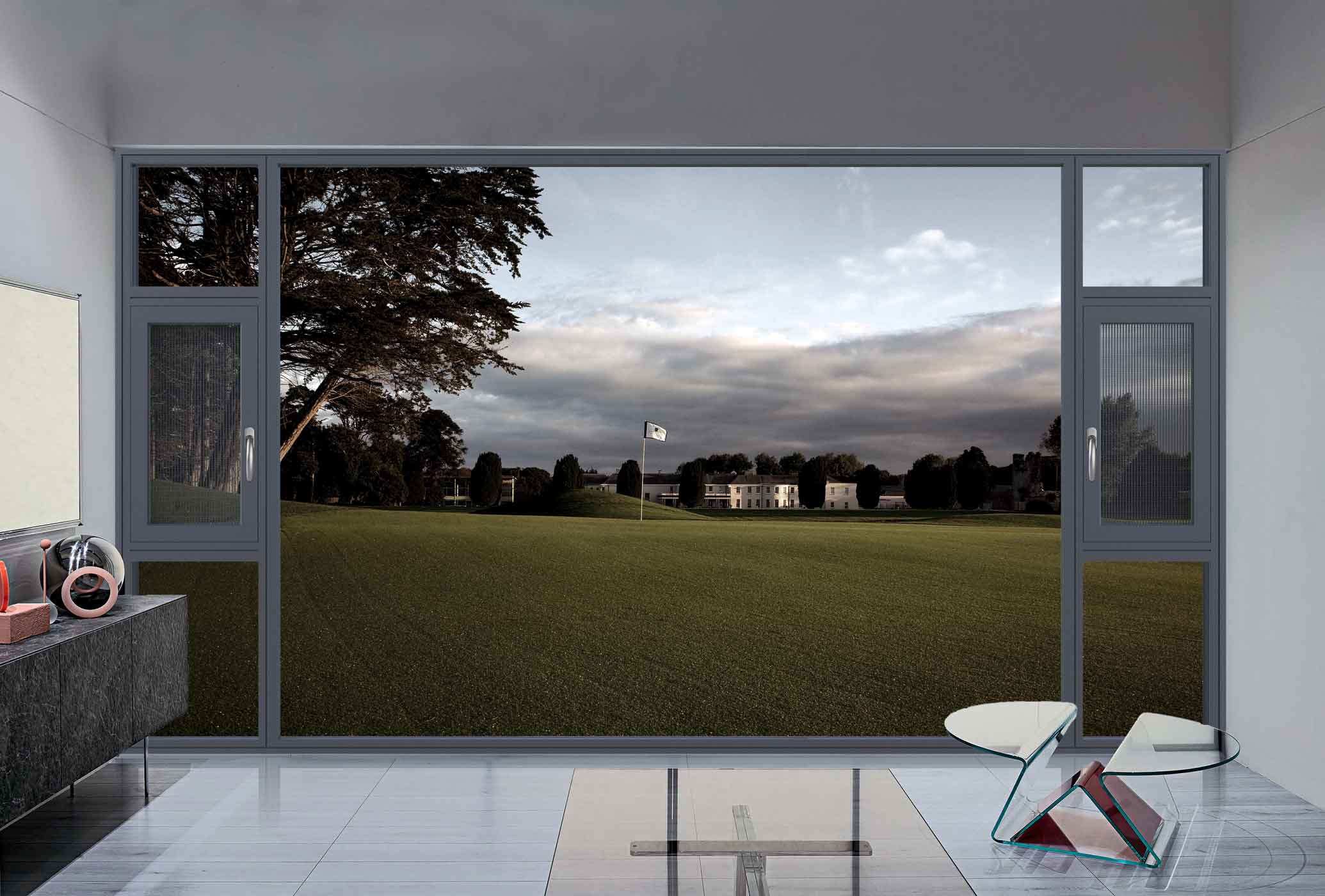
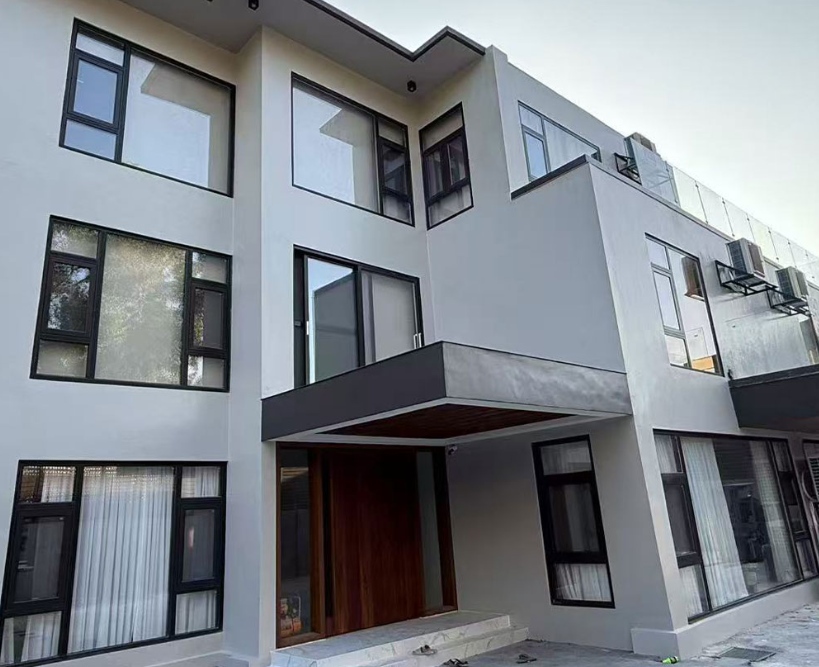
Single hung window

CONTACT US
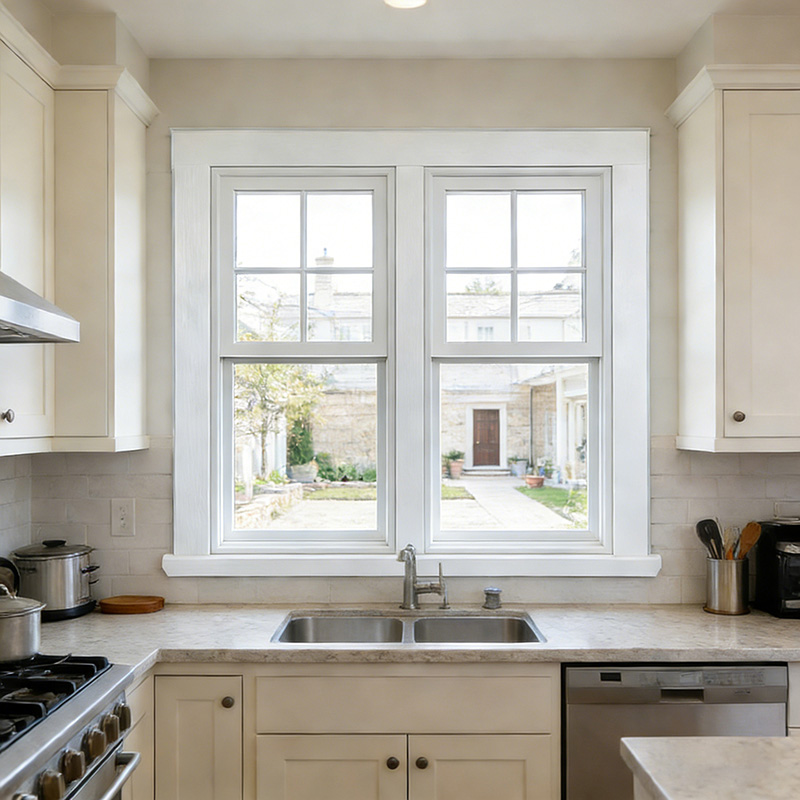
American Style Double Glazed Single Hung Window
Aluminum single hung window features a fixed upper sash and a vertically sliding lower sash, with a sturdy aluminum alloy frame for durability. It saves indoor space while ensuring efficient ventilation; the sliding design is easy to operate, and its excellent sealing delivers good thermal and sound insulation. Ideal for residential bedrooms, kitchens, and bathrooms.
Vector

Furniture Craftsmanship

Effect-128-1

Aluminum alloy

Inward Opening & Inward Tilting (Most Mainstream)
The sash can open inward (facilitating cleaning of the outer side of the glass) and tilt inward (allowing gap ventilation and preventing rainwater backflow). The screen sash is mostly outward opening or fixed, adapting to both opening states and balancing ventilation with mosquito protection.

Outward Opening
The sash pushes open outward, and the corresponding screen sash is inward opening (to avoid damage to the outward-opening screen sash from wind and rain). It does not take up indoor space when opened, making it suitable for small apartments or scenarios where there is furniture inside the window sill.

Inward Opening
Both the sash and screen sash open inward, featuring easy operation and convenient glass cleaning. However, it occupies a certain amount of indoor space when opened, so it is more suitable for indoor areas with no obstacles beside the window sill.

It features an integrated screen and a flush interior frame design, boasting an elegant and sophisticated appearance. Equipped with multi-channel sealing using EPDM gaskets, it offers excellent weather resistance, anti-aging properties, and water tightness. It comes standard with a full set of high-end hardware, and the glass configuration is 5+20A+5 double-layer insulated tempered glass. The screen opens inward, while the glass sash can open outward or tilt downward. Suitable for high-end luxury villas and premium residences, it adds quality and style to your home.

send us free
message


recent
blog articles

Stop Condensation: PAVIDA Multi-Cavity Window Profiles

29
May


Every year when the weather turns colder, many homeowners notice the same issue in the morning. Windows appear covered with fog, and water droplets collect on the sills below. This problem goes beyond a blurry view. It points to poor temperature control that can slowly affect the condition of the home. Many people treat wet windows as something that just happens each season. In reality, the frames allow too much temperature difference between the warm inside and the cold outside.

PAVIDA serves as an integrated manufacturer focused on high-performance aluminum windows, doors, and sunrooms. The company has developed a lasting fix for this common issue. By rethinking the basic structure of window frames, PAVIDA applies advanced multi-cavity profiles that break the pattern of condensation.

The Hidden Cost of Seasonal Window Condensation

Warm indoor air meets a very cold glass surface, and moisture quickly forms into visible water. This process creates risks for the building itself over time.

Why Standard Aluminum Profiles Fail

  • High Thermal Conductivity: Ordinary single-layer aluminum frames conduct cold quickly. They cool the inside surface of the frame right away.
  • Rapid Dew Point Convergence: Once the frame surface falls below the room’s dew point, condensation appears immediately.
  • Lack of Internal Barriers: Without air pockets inside, these frames let external cold move straight into the living areas.

The Damages Beyond Just a Blurry View

  • Wall and Drywall Rot: Water runs down from the foggy glass and works its way into nearby walls. This can lift paint and damage wood parts underneath.
  • Mold and Health Hazards: Ongoing dampness encourages black mold growth, which affects the air inside the house.
  • Elevated Energy Bills: Fog on windows shows that heat escapes easily. Heating systems then run longer to maintain comfortable temperatures.

Causes and structural damages of seasonal window condensation

Engineering the Shield: PAVIDA Multi-Cavity Technology

Stopping window fog needs a strong way to separate the big differences in temperature. PAVIDA systems achieve this through careful design.

How Multi-Cavity Profiles Isolate Temperatures

  • Internal Multi-Chamber Architecture: PAVIDA frames contain complex internal webs that split the aluminum into several separate air chambers.
  • Stagnant Air Insulation: These closed spaces hold still air that works as a natural barrier. The air slows down the movement of cold from outside.
  • Elevated Internal Surface Temperature: Because cold paths are blocked, the inside part of the frame stays warmer and stays well above the dew point.

The Power of PA66 Nylon Thermal Barriers & Double Glazing

  • Premium PA66 Thermal Strips: Thicker PA66 nylon strips cut the connection between the outer and inner aluminum sections. This breaks the main path for heat loss.
  • Double-Glazed Insulated Glass: These frames work together with two layers of tempered glass filled with special gases. The combination reduces cold across the full window area.
  • Multi-Layer EPDM Gaskets: Strong rubber seals sit around the moving parts. They stop unwanted air leaks and keep water out even during windy conditions.

Where PAVIDA Defeats Moisture

Different parts of a building deal with humidity in their own ways. A single type of window rarely solves every situation.

Kitchens and Bathrooms: PAVIDA Awning & Casement Windows

Steam from cooking, hot showers, and boiling kettles fills these rooms with moisture that settles fast on cold surfaces.

PAVIDA awning and casement windows for kitchen bathroom ventilation

  • The Solution: Fit PAVIDA 128 Series Double Thermal Break Casement Windowsor top-hinged Awning Windows.
  • The Result: The sturdy multi-cavity profiles keep the inside surfaces warmer even with high room humidity. The top-hinged style also lets in fresh air during rain without letting water inside.

High-End Living Rooms and Balconies: PAVIDA Narrow-Frame Sliding Doors

Wide glass doors on balconies become large, cold areas that create drafts and leave water on living room floors.

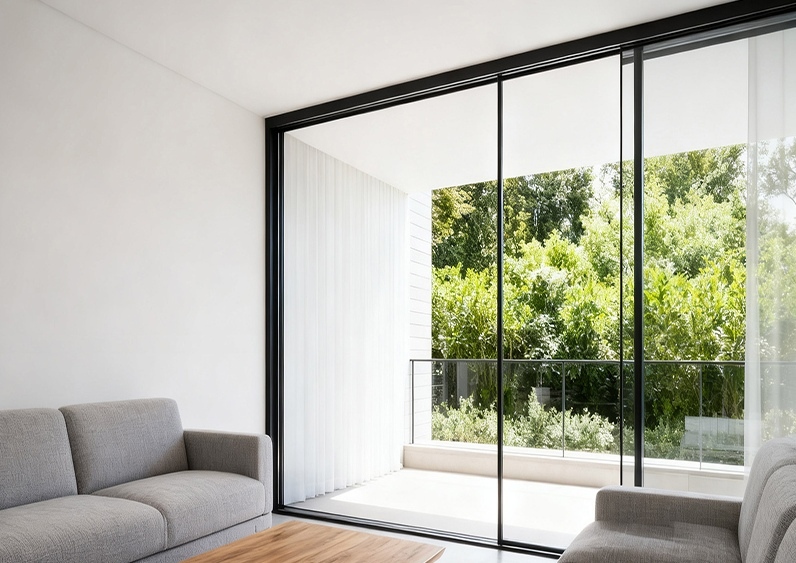
  • The Solution: Use PAVIDA Minimalist Slim Design Sliding Doorswith double-layer insulated glass and extra multi-cavity support in the frames.
  • The Result: Rooms enjoy wide, clear views without fog on the glass, and floors stay dry and comfortable.

All-Glass Extensions: Energy-Efficient PAVIDA Sunrooms

Older sunrooms often feel too humid in warmer months and develop dripping condensation when the weather cools.

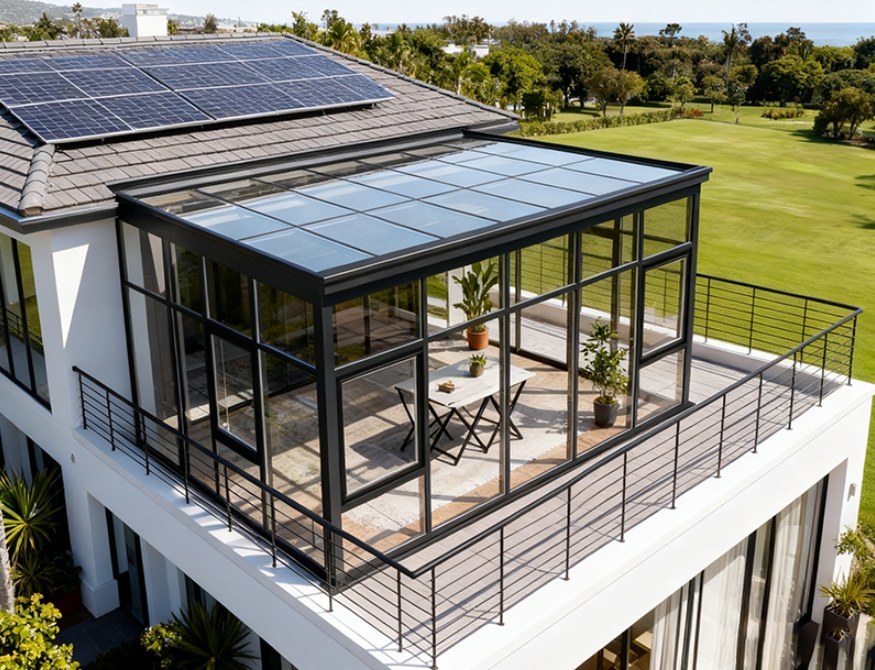
  • The Solution: Build with PAVIDA Customizable Aluminum Glass Sunrooms that include thermal-break roof beams and multi-cavity profiles around the edges.
  • The Result: The added space maintains steadier temperatures year-round. It works well as an office or sitting area without moisture collecting on ceilings or walls.

Beyond Manufacturing: PAVIDA Full-Service Customization

Good hardware needs accurate fitting and proper support so it performs reliably for many years.

PAVIDA custom profile matching hardware integration and technical guidance

Tailored Technical Blueprints for Global Climates

  • Custom Profile Matching: Engineers review local weather patterns and wind requirements. They then suggest the right profile depth and chamber layout for the job.
  • Hardware Integration: Production includes well-known components such as German HOPPE and ROTO systems. These provide secure, multi-point locking and tight seals.

Precision Packaging and Reliable Commissioning Support

  • Multi-Layer Protective Packaging: Products receive careful wrapping and crating to avoid damage or warping during long-distance shipping.
  • End-to-End Technical Guidance: Support starts with design input and continues through installation advice and final checks. This helps every unit fit correctly and seal properly.

Conclusion

Foggy windows signal that a property loses heat and builds up moisture-related problems. Switching to PAVIDA multi-cavity thermal-break aluminum windows, doors, and sunrooms helps protect indoor spaces. It also reduces energy use across seasons and keeps views clear throughout the year.

Ready to solve condensation issues in your next project? Reach out to the PAVIDA for practical advice, detailed plans, or a custom quote.

  • WhatsApp: +86 18125772267
  • Email: pavidaco@gmail.com

FAQ

Q: Why does window condensation occur inside the double-glazing panel rather than just on the exterior surface?  

A: Condensation between the panes often points to failed edge seals. The insulating gas leaks out while moist air from outside moves in. The full glass unit then needs replacement.

Q: Does upgrading to aluminum frames increase condensation risks compared to uPVC frames?

A: Basic aluminum lets cold pass through more quickly. Yet modern thermal-break designs that use multi-cavity profiles and PA66 strips match or exceed uPVC performance. They also provide greater structural strength.

Q: Can specific indoor ventilation habits help minimize condensation on windows?

A: Yes. Exhaust fans in kitchens and bathrooms, a dehumidifier when humidity rises, and brief window opening for cross-ventilation all lower indoor moisture. These habits keep glass surfaces drier.

Q: How do multi-cavity window profiles impact a building’s overall energy efficiency rating?

A: They lower the window’s U-factor. Less heat escapes in winter and less cold air enters, so HVAC energy use often drops by up to 30 percent.

Modern Aluminum Windows & Doors: PAVIDA Malaysia Projects

28
May


In Malaysia today, residential and commercial buildings call for more than basic window and door fittings. Homeowners and developers look for a good mix of attractive appearance, suitability for the tropical weather, and solid performance that lasts for years. PAVIDA has played a leading role in these changes by supplying strong aluminum window and door systems that improve modern living areas.

Elevating Malaysian Architecture: The PAVIDA Approach

Modern homes in Malaysia usually need plenty of natural light, good airflow, and clean lines in their design. At the same time, the tropical climate brings clear difficulties:

  • Intense Solar Heat Gain: Large glass surfaces often turn interiors into greenhouses, driving up cooling costs.
  • Severe Monsoon Failures: Standard building joints frequently leak under high-pressure, wind-driven tropical rain.
  • Corrosive Humidity: Constant moisture and coastal salt air accelerate hardware rust and frame deterioration.

At PAVIDA, we see windows and doors as more than simple parts of a building. They serve as the eyes of the structure. We focus on making custom aluminum products that combine German engineering accuracy with up-to-date styles. This way, each job looks good and stands up well to local conditions. Our systems work equally well for luxury villas or tall apartment blocks, fitting naturally into the surroundings found across Malaysia.

Engineered for the Tropics: High-Performance Product Solutions

We pay close attention to technical details so that buildings stay comfortable and hold up in Malaysian conditions. Our products address heat and humidity while helping create pleasant spaces inside.

Advanced Thermal Break Technology for Energy Efficiency

Dealing with heat forms a major issue for most buildings here. Our thermal break windows use good-quality PA66 insulation strips. These strips form a clear separation between the inner and outer parts of the aluminum frames.

Thermal break aluminum windows with energy efficient insulation strips

  • Heat Reduction: The break in the metal path stops outside heat from moving easily into the rooms.
  • Energy Savings: When combined with double-glazed or insulated glass, the windows cut down the work needed from air conditioning units. Many homeowners notice lower electricity bills each month as a result.
  • Noise Control: The build of these frames also helps reduce outside sounds, so homes stay quieter even in busy city areas.

Weather-Resistant Systems for Tropical Rain & Humidity

Monsoon weather in Malaysia can prove tough on building materials. Our systems go through careful testing to hold back wind-driven rain and keep interiors dry.

  • Multi-Layer Sealing: Special rubber strips sit between the door frames and moving parts. They form a close seal that stops water from coming through and keeps dust outside.
  • Corrosion Resistance: We apply high-grade powder coating and anodized finishes on the aluminum profiles. These treatments protect against salty coastal air and constant dampness, so the frames avoid rust and continue to look and work well for a long time.

Seamless Indoor-Outdoor Living with Modern Folding & Sliding Doors

Good use of space and smooth design matter a lot in current home layouts. Our folding and sliding door ranges help connect indoor and outdoor areas more easily.

  • Slimline Aesthetics: The PD Ultra-Slim Folding Doorshave thin frames that leave more room for glass. This gives wide, clear views without many visual blocks.
  • Heavy-Duty Performance: Even with their slim look, these doors offer solid strength. They can cover openings as tall as 3 meters, creating an impressive entry to patios or garden areas that feels both open and secure.

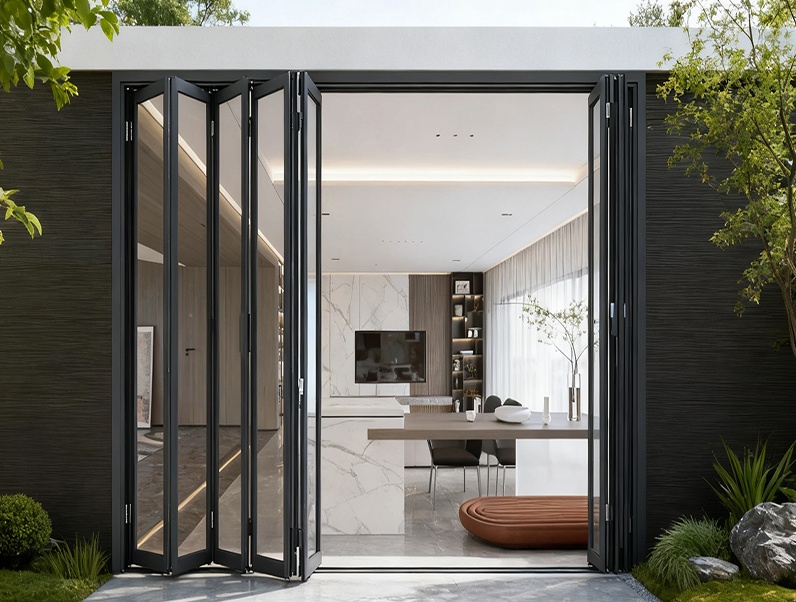
Modern slimline aluminum folding doors for seamless outdoor views

Tailored Craftsmanship: From Design to Reality

Each building project comes with its own needs and character. A standard solution seldom gives the best outcome. For this reason, PAVIDA follows a step-by-step process that matches the requirements of every client from the first drawings to final delivery.

Precision Manufacturing & Global Standards

Our production methods form the main support for consistent quality. We keep strong working ties with respected hardware companies such as HOPPE, SIEGENIA AUBI, and ROTO. These links help make sure that windows and doors open and close smoothly, stay safe, and last well.

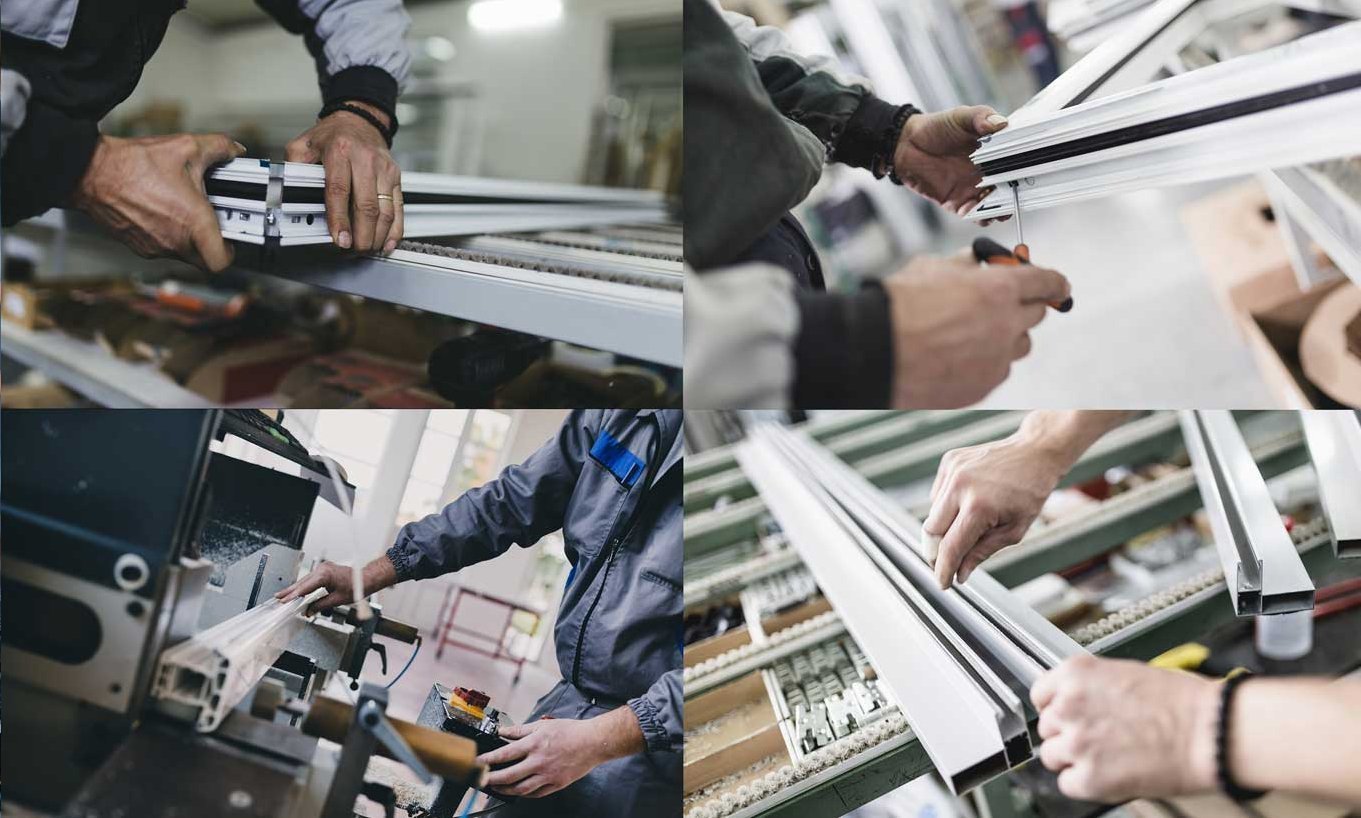
  • Customization: Clients can choose frame colours, types of glass, and handle styles so that everything matches the overall look of their building.
  • Structural Integrity: We pick aluminum alloy profiles known for their strong yet lightweight qualities. This choice keeps large windows and doors steady and safe through many years of daily use and weather exposure.

Professional Support: Beyond Product Supply

For developers and building teams, reliable supply and service count just as much as the products themselves. PAVIDA gives full support throughout the project that reaches past the factory stage.

  • Technical Consulting: Our staff talks directly with architects and supplies clear drawings. This helps the selected windows or doors fit properly into the building frame.
  • On-Site Integration: With our professional local team stationed in Kuala Lumpur, Malaysia, we provide direct on-site support to assist with the physical implementation, ensuring a smooth project execution and hassle-free results.
  • Installation Guidance: The team shares detailed advice on fitting the units and starting them up correctly. As a result, the finished work looks neat and operates without problems right from the start.

Customized aluminum windows and doors engineering process and support

Start Your Project Journey with PAVIDA

No matter whether you plan a home update or a bigger commercial job, PAVIDA works to deliver products that increase the worth of your property. We welcome you to see the quality of our work and find out how custom aluminum windows, doors, and sunrooms can turn your building ideas into finished spaces.

Ready to move forward? Get in touch with us now for expert guidance, technical details, or a fair quote for your upcoming work.

  • WhatsApp: +86 18125772267
  • Email: pavidaco@gmail.com

FAQ

Q: How does the thermal performance of aluminum windows compare to other materials in tropical climates?

A: Aluminum windows with a thermal break and insulation strips handle heat transfer well. uPVC tends to hold warmth on its own. Thermal-break aluminum adds more strength though. This lets frames stay thinner while glass areas can grow larger. The setup fits clean modern looks and still delivers solid energy performance.

Q: What specific maintenance is required for aluminum windows in coastal areas?

A: Regular cleaning matters most. Wipe the frames and glass with a soft cloth dampened with water every three to six months. This clears salt and dust before they wear surfaces. Check drainage holes too so rainwater flows out of the tracks without trouble.

Q: Can slim-frame doors be as secure as traditional heavy-duty doors?  

A: Yes, when built with suitable materials. The aluminum alloy keeps enough rigidity even in slim shapes. Strong multi-point locking hardware helps the doors meet current security levels and resist break-in attempts.

Q: Is it possible to retrofit custom aluminum windows into an existing building?

A: Yes, it works in many cases. These systems can be made to exact sizes for older openings. It still pays to speak with a specialist early. They can check the wall structure and confirm the new frames will seal properly against the weather.


Low-E vs. Standard Glass: Slash Energy Bills with PAVIDA

22
May


When planning a modern home or business building, people often focus on windows mainly for their looks. Yet, these windows serve as the biggest pathway for heat movement in any structure’s outer layer. Regular clear glass lets in infrared heat and UV light easily, which makes cooling systems run much harder. At PAVIDA, we push for a better option: Low-Emissivity (Low-E) glass. The starting price is a bit more than basic glass, but the running costs drop so much that the extra spend usually covers itself in only 24 months.

The Technical Edge of Low-E Glass: Microscopic Coatings, Massive Results

The key strength of Low-E comes from its power to cut down heat transfer by radiation. Normal glass soaks up heat and sends it inside the room. On the other hand, PAVIDA’s Low-E options send that heat right back where it came from.

  • Summer Performance: It stops up to 70% of solar heat gain.
  • Winter Performance: It keeps indoor warmth by sending furnace heat back into the space.
  • UV Protection: It blocks harmful ultraviolet rays, which stops fading on costly furniture, floors, and art pieces.

How it works in PAVIDA’s System: Combining Low-E with Argon Gas

We go further than just the layer. In our top units, such as the Thermal Break American Style Aluminum Double Hung Windows, we apply double-glazing (IGU) methods. We fill the gap between the Low-E pane and the regular one with Argon gas. This heavy gas acts denser than regular air, adding another barrier against heat that sharply reduces the window’s U-value.

Low-E glass and argon gas double glazing heat insulation

The Financial Breakdown: Low-E vs. Standard Glass

Many builders and house owners worry first about the added cost for eco-friendly choices. Still, a side-by-side review shows that basic glass ends up costing more over five years.

Short-term Costs vs. Long-term Savings

Basic glass windows might cut the upfront price by 10-15%. However, they create a building that loses heat easily. In hot tropical spots or places with tough winters, this causes several issues.

  • Higher HVAC Capacity Requirements: You end up needing bigger, pricier AC units to fight the incoming heat.
  • Increased Monthly Bills: Electricity expenses can rise by 30% with regular glass.
  • Maintenance Costs: Overloaded HVAC setups break down sooner, bringing early fix-up bills.

The 2-Year Payback Period: Real-world HVAC data

From our work in areas like Australia and Southeast Asia, switching to PAVIDA’s Low-E thermal break setups cuts energy use by about 25-35%. For a typical 2,000 sq. ft. home, the total savings from utility bills often match the extra cost of Low-E over standard glass in two years. After that, any further reductions turn into clear gains for the owner.

Application Scenarios: PAVIDA Solutions in Action

To show the real effects of built-in heat control tech, consider how we use these ideas in our main product ranges.

Energy-Efficient Living: The Customizable Aluminum Glass Sunroom

Sunrooms prove hard to keep at a steady temperature. A regular glass sunroom turns into a hot trap during summer.

  • The PAVIDA Solution: Our Customizable Aluminum Glass Sunroomuses strong 6063-T5 aluminum frames with Low-E safety tempered glass.
  • The Result: Owners get wide views and daylight without overwhelming warmth. It changes a room for just one season into a full-time addition that boosts living space without huge energy jumps.

Energy-efficient aluminum sunroom with Low-E safety glass panels

High-Rise Comfort: 128 Series Thermal Break Casement Windows

In tall apartment buildings, wind force and noise blocking matter as much as heat control.

  • The PAVIDA Solution: Our 128 Series Double Thermal Break Aluminum Casement Windowincludes thicker PA66 thermal insulation strips.
  • The Result: Adding Low-E glass to this multi-part design fixes the “cold bridge” problem. In city settings, this setup not only lowers heating bills but also offers strong noise reduction, making a calm, even-temperature area even near loud roads.

Minimalist Performance: 4516 Series Slim Sliding Doors

Current building styles call for thin frames, but slim ones often lack good insulation.

  • The PAVIDA Solution: The 4516 Series Minimalist Design Aluminum Sliding Door has a frame just 40mm wide.
  • The Result: We rely on tough aluminum alloy to hold big Low-E glass sheets. This creates a smooth shift from inside to outside in high-end homes and flats. The Low-E layer makes sure that even with large glass areas, the inside stays comfortable, balancing clear sightlines with solid heat control.

Why PAVIDA is the Strategic Choice for Global Projects

As a maker in Foshan, China, with more than 12 years of know-how, PAVIDA offers a full-service package that connects top engineering with affordable making.

PAVIDA certified aluminum window manufacturing and global engineering services

Manufacturing Excellence and AS2047 Certification

Our 4,000-square-meter plant has modern CNC tools for exact cuts every time. We have met the strict Australian Standard AS2047 tests. This covers checks for water leaks, air leaks, and full strength in bad weather. Picking PAVIDA means getting items built for the toughest conditions around the world.

Tailored Engineering Services: From Drawing to Delivery

We know each job differs. Our help extends past just building:

  1. Custom Design: We review your CAD files to find the right build fit for your structure’s direction.
  2. Material Matching: We give solid tips on glass thickness and Low-E layer types (Single, Double, or Triple Silver) suited to your area’s weather.
  3. Logistics Support: From careful packing to worldwide shipping, we make sure your strong glass reaches the site set for fitting.

Final Thoughts

Going with basic glass saves money at first, but drains funds over time. By choosing PAVIDA’s Low-E aluminum systems, you guard your building’s worth, provide steady comfort, and reach return goals in only two years.

Ready to improve your next project’s energy use?

Reach out to the PAVIDA now for a detailed quote and a personal look at your plans. Let us guide you to build wisely, not just on a larger scale.

  • WhatsApp: +86 18125772267
  • Email: pavidaco@gmail.com

FAQ

Q: Does Low-E glass look different from standard clear glass?

A: Good Low-E glass looks almost the same as clear glass to the eye. It keeps a strong light passage, so your sights stay bright and true while the hidden layer handles heat reflection.

Q: Can I use Low-E glass in any window frame?

A: It works in many cases, but pairs best with Thermal Break aluminum frames. Without that break, the frame conducts heat anyway, which weakens the savings from the Low-E glass.

Q: Is Low-E glass more prone to scratching or damage?

A: No. In double-glazed setups, the Low-E layer sits on the inner side of the panes. This shields it from outside wear, cleaners, and scrapes, so it holds up as long as the window does.

Q: How do I know if my windows actually have a Low-E coating?

A: Trusted providers like PAVIDA supply proof tags. A quick “match test” works too: place a flame by the glass; in a double-glazed Low-E unit, one of the four flame images in reflection shows a different hue (often pink or purple) from the rest.

Avoid Costly Aluminum Window Errors: PAVIDA Selection Guide

21
May


Choosing windows for a residential or commercial project is often seen as a final “aesthetic” touch. However, seasoned architects and developers know that windows are actually high-performance components that dictate the building’s energy efficiency, security, and long-term livability. A mistake made at the procurement stage can lead to “window sweat,” skyrocketing electricity bills, or even structural failure under high wind pressure.

At PAVIDA, we have spent over 12 years perfecting aluminum systems that blend German engineering with tailored manufacturing. To help you navigate your next project, we have compiled the seven most common—and expensive—mistakes to avoid.

Ignoring Thermal Break Technology

Many buyers opt for standard aluminum frames because of their durability, but forget that aluminum is a natural conductor of heat. Without a “break,” heat escapes in winter and enters in summer.

The Cost of a “Cold Bridge”

Standard aluminum often leads to condensation buildup, which can damage interior paint and promote mold.

  • The PAVIDA Solution: We utilize Thermal Break Aluminum Profiles equipped with PA66 nylon insulation strips.
  • Why it Matters: In a luxury villa or a modern office, this technology “breaks” the heat path. Combined with argon-filled double glazing, our Series 108 Casement Windowscan significantly reduce HVAC energy consumption, turning your windows into an investment that pays for itself.

High-efficiency thermal break casement windows for superior energy savings and comfort

Choosing the Wrong Opening Mechanism for the Space

A common error is installing sliding windows in areas that require maximum ventilation, or casement windows where space is tight.

Matching Function to Scenery

  • The Error: Using a sliding window in a high-noise urban bedroom. Sliding windows, while space-saving, generally have lower sealing performance than casement types.
  • The Scenario: For a high-rise apartment, we recommend the Aluminum Thermal Break French Soundproof Casement Window. Its multi-point locking system and compression seals provide superior airtightness.
  • Space-Saving Alternative: If you are working on a kitchen or bathroom with limited clearance, our PAVIDA Awning Windows (top-hinged) allow for ventilation even during light rain, keeping the interior dry without occupying floor space.

Overlooking Soundproofing in Urban Environments

Assuming all double-paned glass is soundproof is a mistake that leads to sleepless nights.

The Science of Silence

  • The Detail: Low-frequency city noise (traffic, sirens) requires specific glass thickness and frame density.
  • The Product: Our Series 120 Soundproof Glass Sliding Windowis specifically engineered for urban residential projects. It features a 120mm wide frame for increased stability and a multi-cavity structure that dampens vibrations. Using layered sealing strips creates a sanctuary of quiet, even if the building is adjacent to a busy intersection.

High-performance soundproof sliding windows block heavy city traffic noise

Sacrificing Security for Aesthetics

A beautiful window is useless if it is the “weak link” in your home’s security. Many projects fail by using generic, low-grade hardware that can be easily bypassed.

Engineering Peace of Mind

  • The PAVIDA Standard: We refuse to compromise on hardware. We cooperate with world-class brands like German HOPPE, SIEGENIA, and ROTO.
  • The Application: On our Aluminum Thermal Break French Swing Doors, these high-quality locking systems ensure that the door leaf is pulled tightly against the frame at multiple points. This not only prevents forced entry but also ensures the door won’t warp or rattle over the years of heavy use.

Neglecting Regional Climate and Standards

A window designed for a calm inland climate will likely fail in a coastal region prone to storms.

Certified Performance

  • The Risk: Water leakage and frame deformation during extreme weather.
  • The Validation: PAVIDA products are tested to meet the strict Australian Standard AS2047. Whether you are building in a tropical zone like the Maldives or a windy coastal city like Perth, our 6063-T5 high-strength aluminum alloy frames are designed to withstand high wind loads and salt-spray corrosion.

Forgetting the “Insect Barrier” Integration

In many regions, mosquitoes and pests are a major concern. Adding a “mesh screen” as an afterthought often ruins the window’s look and functionality.

Seamless Integration

  • The Solution: We offer the Integrated Diamond Mesh system.
  • The Feature: Found in our Aluminum Casement Windows, this high-transparency stainless steel mesh is built directly into the frame. It provides a rugged barrier against insects and even adds a layer of “fall protection” for children, all while maintaining 100% visibility and airflow.

Aluminum Casement Window with Integrated Insect Diamond Mesh Screen

Choosing Price Over “Total Value” and Service

The final mistake is treating windows as a commodity rather than a service. A cheap window with a poor installation guide is a recipe for disaster.

The PAVIDA Service Advantage

We don’t just ship boxes; we provide Customized System Solutions.

  • Design Support: Our team partners with you to fit window styles—from “Retro” French windows to “Minimalist” slim-frame sliding doors—to your building’s unique look.
  • Manufacturing Excellence: Backed by 12 years of hands-on work in a current factory, we make sure each joint gets a sharp cut, and each seal lines up just right. This cuts down on extra repair and upkeep bills later.

Conclusion

Your project deserves more than just “glass in a frame.” By avoiding these seven mistakes and choosing a partner like PAVIDA, you ensure that your building is energy-efficient, secure, and timelessly stylish.

Ready to upgrade your project?

[Contact PAVIDA today for a free technical consultation and quote. Let’s build something extraordinary together.]

FAQ

Q: Is it better to use Aluminum or uPVC for high-end residential projects?

A: Aluminum (specifically 6063-T5) provides much greater build strength than uPVC. As a result, it supports thinner frames and bigger glass areas. This setup gives clearer sight and lasts over 20 years. Plus, it avoids color loss or breaks from sunlight exposure.

Q: What is the main benefit of a “Double-Hung” window compared to a “Sliding” window?

A: Double-hung windows let both upper and lower parts slide. This setup forms a simple air flow—warm air rises out the top, while fresh air comes in from below. Therefore, they work well for natural air movement in compact spaces.

Q: How do I know if a window is truly energy efficient?

A: Check for a “Thermal Break” (like PA66 strips) and the glass’s U-value. A smaller U-value shows stronger heat blocking. Low-E double glazing, for instance, cuts heat escape by as much as 30% over basic single glass.

Q: Can aluminum folding doors be used for high-traffic commercial entrances?

A: Yes, if they include sturdy fittings. In office settings, pick types with a “traffic door” option. This lets folks go through one fixed panel. They do not have to move the whole glass setup.


Home
WhatsApp
Email
       
Contacts