







17th July 2026
A patio door serves as more than just a way to step outside. It joins indoor living spaces with the yard or garden and plays a key part in how well the house manages heat, keeps sound levels down, stays safe, and holds its value when sold. PAVIDA stands as a top maker that covers design, manufacturing, and sales of quality glass systems. The company sees the patio door frame material as the single most important choice during any home update or new build.
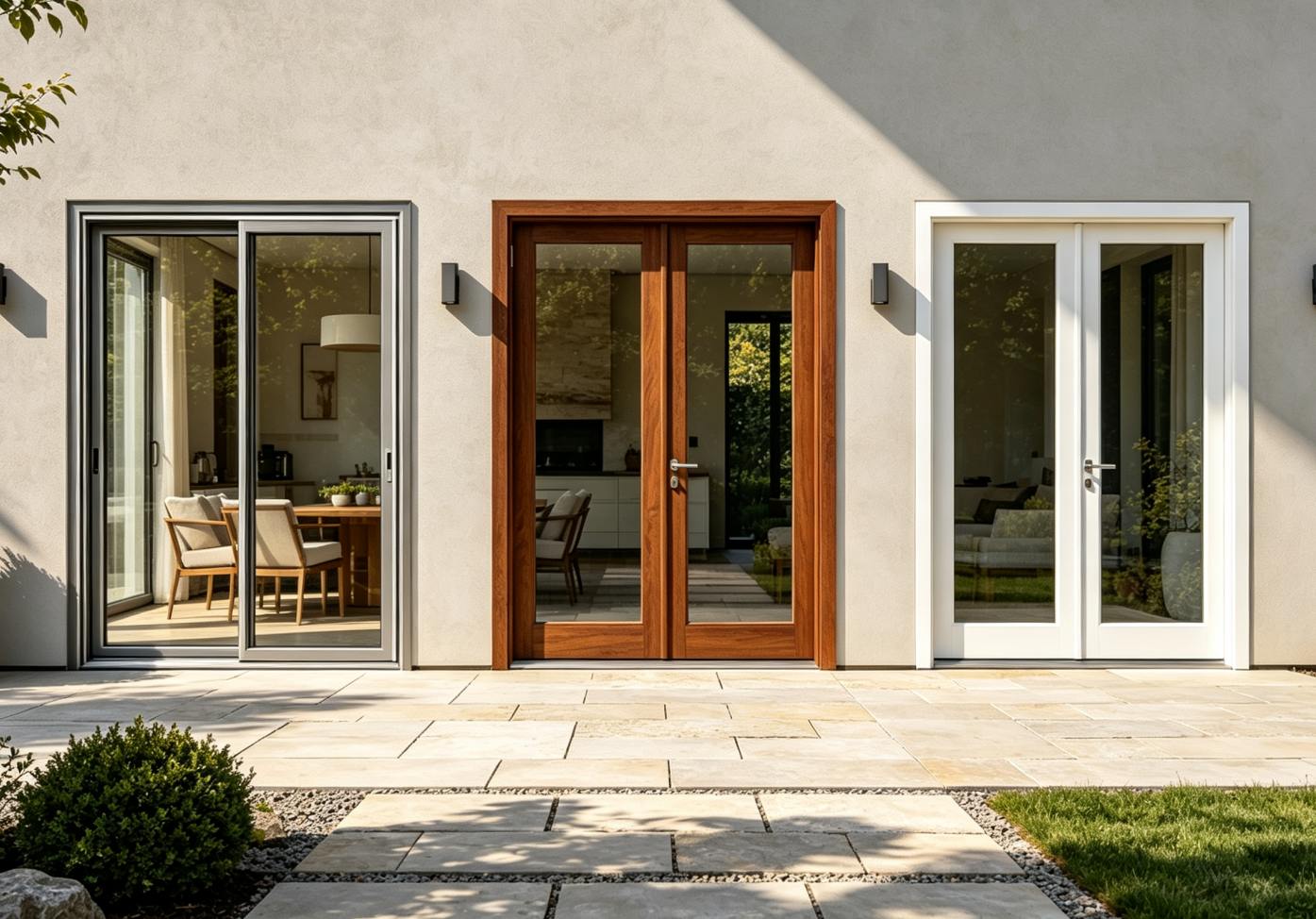
Homeowners looking at patio doors usually focus on three main types: wood, vinyl, and aluminum. These materials differ in how long they last, how strong they are, and the styles they support. Checking their performance in everyday conditions helps show which one brings the most value over many years.
Evaluating the Contenders: Wood and Vinyl Patio Doors
Deciding between classic looks and lower upfront costs means thinking about how the door fits daily routines and what care it will need later.
The Traditional Aesthetics and High Maintenance Costs of Wood Doors
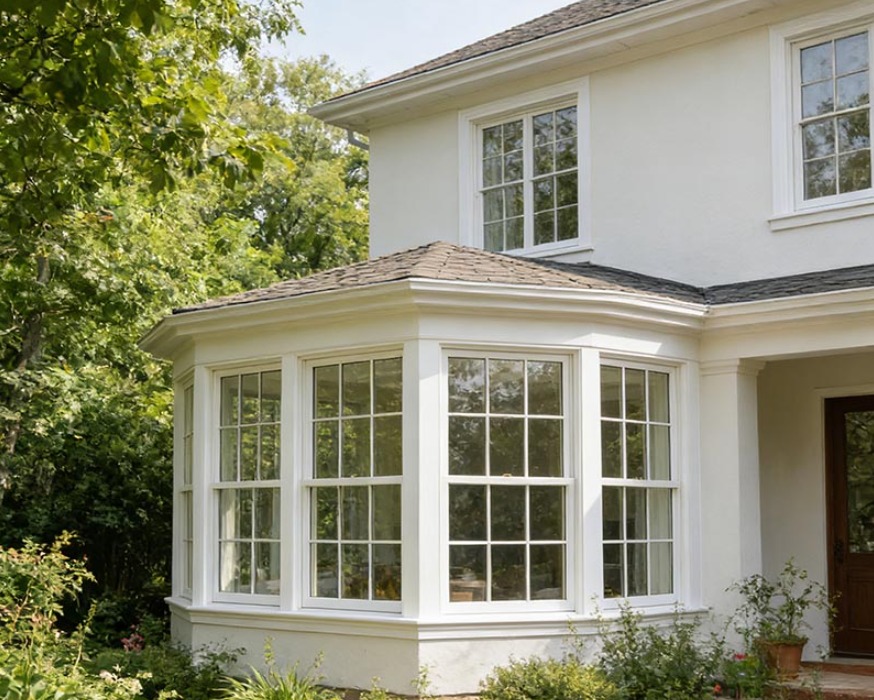
Wood frames earn praise for keeping heat inside and adding a warm feel that fits older homes.
- Susceptibility to Weathering: Wood takes in water from rain and damp days. This causes swelling, bending, and rot when the finish wears away.
- Exorbitant Maintenance Demands: Owners must sand, scrape, and apply fresh paint or sealer every couple of years to avoid bigger problems.
- Obstructed Sightlines: Wood needs thicker frames because it lacks strong tension. This reduces glass area and cuts down on natural light coming in.
The Budget-Friendly but Limited Lifespan of Vinyl Doors
Vinyl, known as unplasticized PVC, shows up often in projects focused on keeping initial costs low.
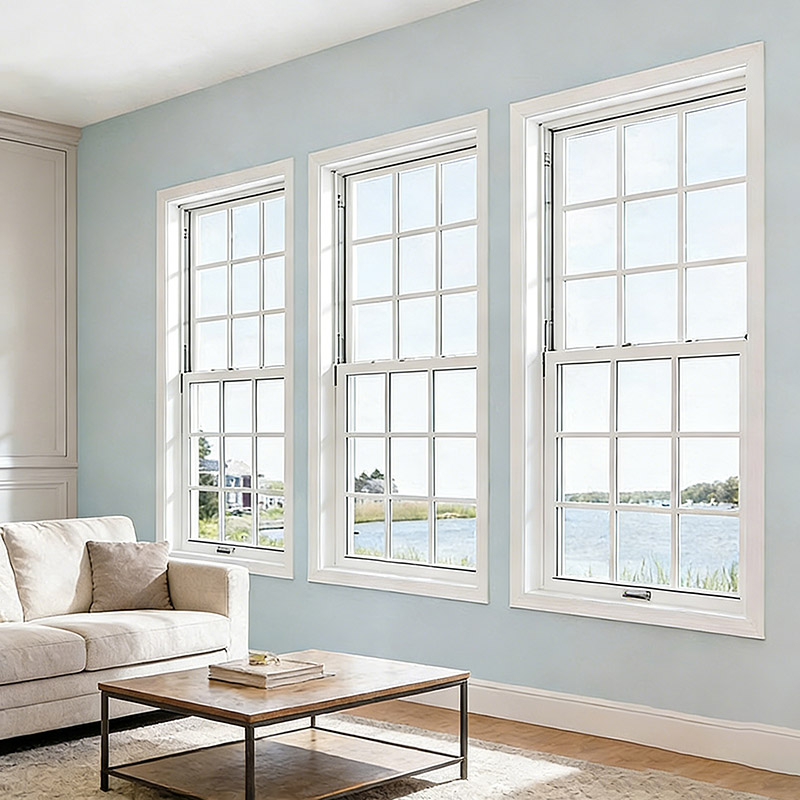
- Thermal Deformation: The plastic grows and shrinks noticeably in hot sun or cold spells. Frames can twist and stop lining up correctly.
- Aesthetic Degradation: Years of strong sunlight often turn white vinyl yellow or make it crack and weaken. This can break the seal around the house.
- Structural Sagging: Vinyl does not hold firm well. It struggles with large or heavy glass, so designs rely on wide plastic sections that look bulky.
Why a Premium Aluminum Door Is the Ultimate Choice for Modern Patios
New building plans call for materials that deliver real strength. High-grade aluminum doors meet this demand better than other choices.
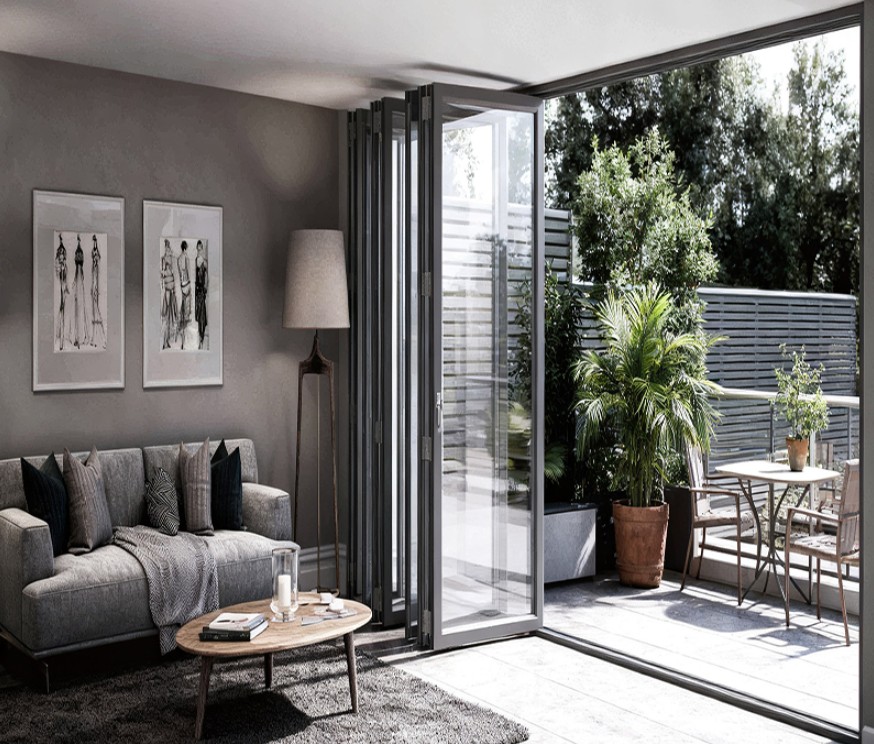
Structural Integrity for Massive Panoramas without Sagging
Good aluminum alloys balance strength and light weight. This helps designers create larger openings in homes.
- Slimmer Profiles: Aluminum door frames stay narrow while still carrying big, heavy glass pieces without trouble.
- Unyielding Frame Geometry: The metal keeps its shape under wind pressure or the load of wide openings, unlike wood or vinyl that may shift.
- Maximized Natural Daylight: Firm frames allow tall glass walls that bring more sunlight into rooms that used to stay dark.
Decades of Weather Resistance with Near-Zero Upkeep
Aluminum stands up to common wear from weather and daily use that damages other materials.
- Advanced Surface Treatments: Powder coating, fluorocarbon sprays, or electrophoresis finishes block rust, scratches, and damage from salty air.
- Absolute Dimensional Stability: Metal stays the same size in wet or dry conditions. Aluminum doors continue to slide or fold smoothly year after year.
- Effortless Cleaning Routines: A simple wipe with a cloth keeps frames and tracks clean. There is no need for sanding or repainting.
Finding Your Match: PAVIDA’s Tailored Solutions for Every Scenario
Different home layouts call for specific ways to open the space and improve comfort.
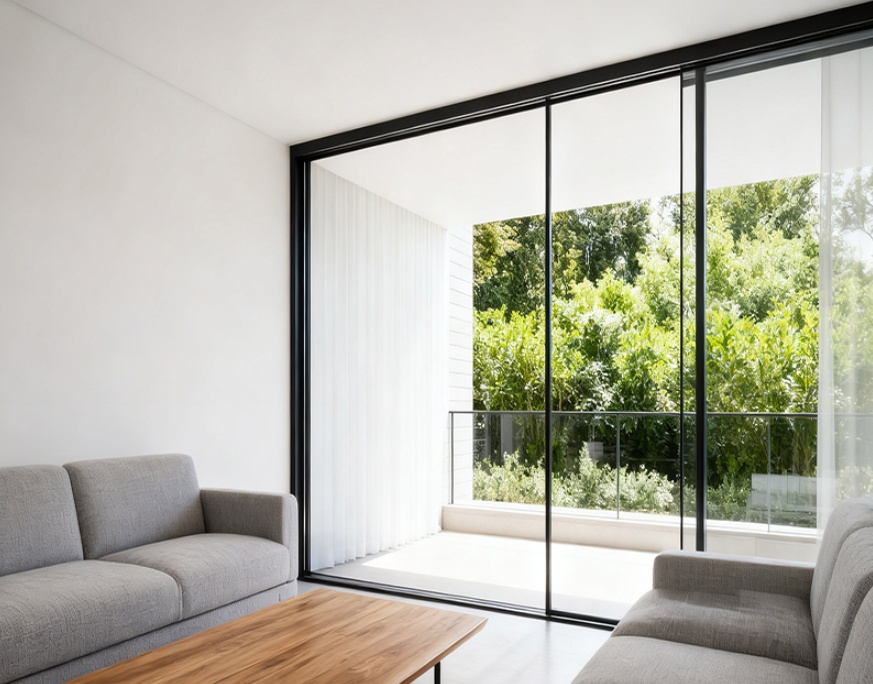
Enhancing Modern Living Rooms with the PAVIDA Narrow Frame Sliding Door
City apartments, clean-lined villas, and updated houses often make the outside view a main feature. Frames should stay in the background.
- Uninterrupted Views: The PAVIDA 4516 Series Minimalist Design Sliding Doors keeps vertical lines very thin. This gives a wide, open look toward gardens or city scenes.
- Space-Saving Glide: Panels move side by side in their tracks. Furniture can sit close without blocking movement.
- Smart Privacy Options: The design works with double glass that includes built-in blinds or glass that darkens on command.
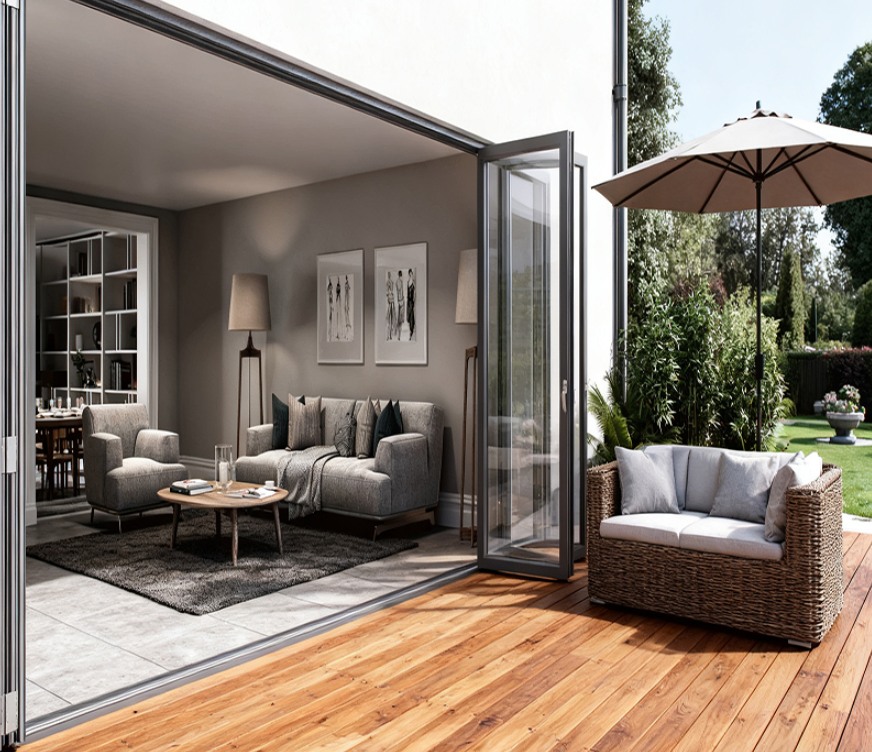
Merging Garden Spaces Seamlessly with the PAVIDA Bi-Folding Door
When families gather for meals or enjoy mild days, opening a full wall changes the feel of the area.
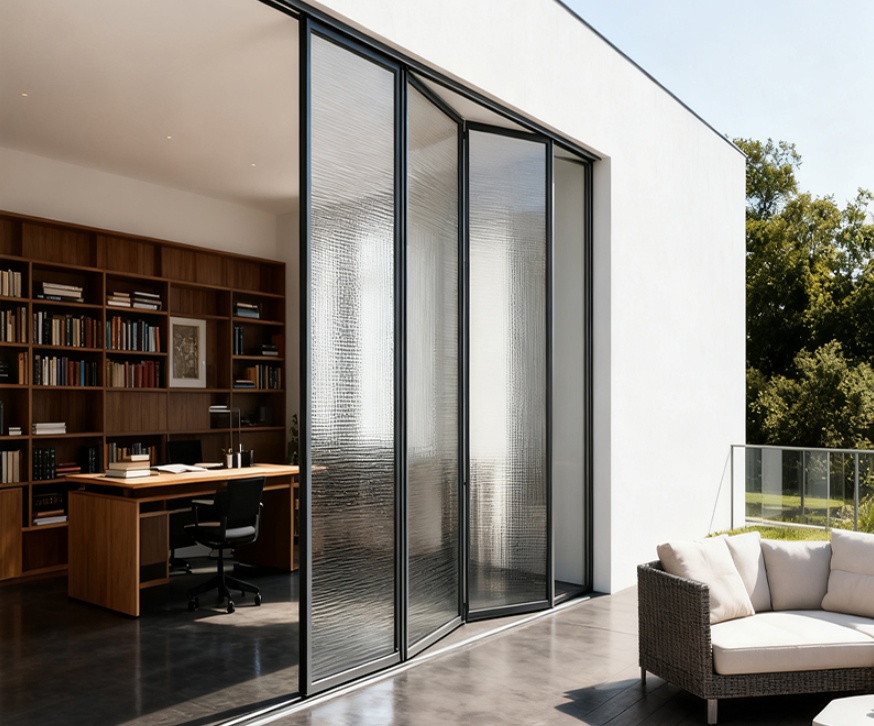
- A 100% Unobstructed Opening: The PAVIDA 75 Series Aluminum Bi-Folding Glass Door folds and stacks to the side. It clears the way between indoor rooms and the patio or sunroom.
- Flexible Spatial Integration: A kitchen or dining area can join the outside space quickly for bigger events.
- Advanced Weather Sealing: Rubber seals along each fold stop air leaks and water when the wall closes.
How PAVIDA Engineering Resolves Building Challenges
Good manufacturing methods and quality parts turn everyday home issues into smooth routines.
Advanced Thermal Break Barriers for Lower Energy Bills
Metal normally passes heat easily, but careful factory work solves this long-standing issue.
- Polyamide Insulation Strips: PAVIDA adds strong PA66 nylon strips inside the profiles. They cut the heat flow between inside and outside.
- Massive Energy Savings: The barrier holds back summer heat and winter cold. This can lower heating and cooling bills by 40 to 50 percent.
- No Indoor Condensation: Balanced frame temperatures reduce moisture on inside surfaces and help prevent mold.
Global Top-Brand Hardware Systems for Smooth Gliding
The parts that move the glass decide how reliable the door stays. PAVIDA avoids low-cost options.
- Elite Component Partnerships: Systems use trusted brands such as HOPPE, SIEGENIA AUBI, ROTO, and KINLONG from Germany and other countries.
- Multi-Point Security Locks: Locks catch at several spots for better protection against unwanted entry.
- Fluid Operational Longevity: Strong rollers and stainless tracks let even large panels move with little effort.
Conclusion
When comparing aluminum, wood, and vinyl for patio doors, quality aluminum stands out for strength, clean appearance, and almost no upkeep. PAVIDA delivers well-made, factory-direct aluminum door systems that cut energy costs and improve how homes look and function.
Ready to upgrade your home with strong, efficient aluminum doors matched to your plans? Contact the PAVIDA team today for a free design talk and a direct quote from the factory.
FAQ
Q: How does a thermal break system affect the acoustic insulation of a patio door in a noisy urban neighborhood?
A: Standard single-pane glass and basic frames do little to block heavy traffic or construction noise. A thermal break system works well with PAVIDA’s double-glazed units that use different glass thicknesses plus acoustic PVB films. Together they form several layers that break up and reduce sound waves, leading to a calmer room inside.
Q: Will an ultra-thin or narrow aluminum door frame bend or deform over time when supporting heavy double-glazed glass panels?
A: No. High-grade materials prevent that issue. Premium 6063-T5 aluminum alloy gives strong support in luxury homes. Its density lets the slim profiles hold heavy acoustic safety glass without bending or sagging over the years.
Q: What structural compliance standards should a premium patio door meet for stormy or coastal geographic locations?
A: High-performance patio doors need to pass independent regional tests such as Australia’s AS2047. These checks confirm solid frame strength, good water resistance under high storm pressure, and low air leakage after long exposure.
Q: How do sliding patio doors compare to bi-folding doors regarding space saving and furniture layout?
A: Sliding doors stay inside their floor tracks. This makes them practical when furniture sits close to the glass. Bi-folding doors need clear space on one side so the panels can stack. In return, they open the full wall for easy outdoor flow during gatherings.

Leave a reply