







30th October 2026
Thermal break aluminum doors improve a home’s entrance performance by reducing direct heat transfer through the frame and coordinating thermal design with glazing, seals, hardware, and installation. They are useful when a front entrance, large opening, or indoor-outdoor connection needs more than a strong visual statement. The correct system depends on the doorway’s size, exposure, traffic, security expectations, and architectural role.
Understand How Thermal Break Doors Work
Reduce Direct Heat Transfer Through the Frame
Aluminum offers a clean profile and the strength needed for many contemporary door designs, but a metal frame can also transfer heat between the exterior and interior if it is not designed to interrupt that path. A thermal break separates parts of the frame so the door can better support indoor comfort. This does not make every door identical; glass, seals, opening size, orientation, and installation still matter.
Combine Thermal Design with Weather Sealing
A door is part of the building envelope, so performance depends on more than the panel and frame. Thresholds, gaskets, meeting rails, corners, glass interfaces, and the accuracy of the installation all influence how the entrance handles air and water. A well-planned thermal break aluminum door should therefore be specified with sealing and drainage in mind from the beginning.
Select the Right Door Type for the Entrance
Aluminum Front Doors for Daily Security and Curb Appeal
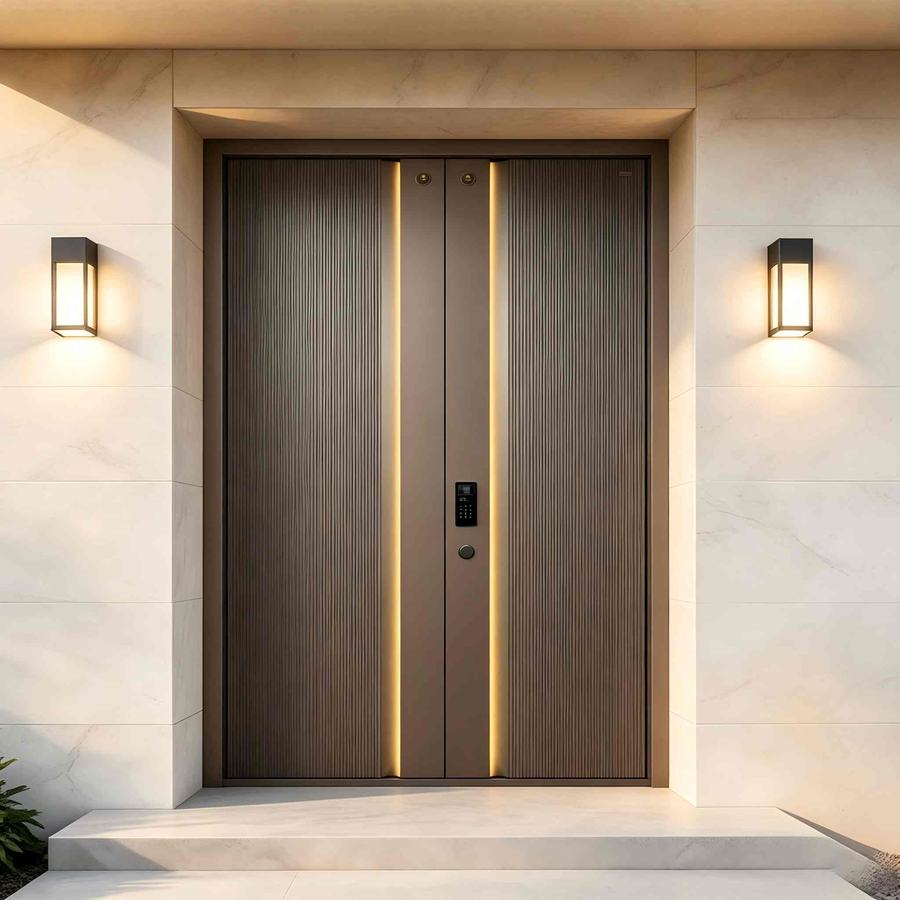
The front door has to manage frequent use while setting the tone for the entire facade. An aluminum front door can support a crisp modern appearance, substantial proportions, and a range of panel and glass decisions. The best configuration should make the entry easy to use, visually balanced, and appropriate for the level of exposure and security required at the threshold.
Pivot Doors for Large and High-Impact Entrances
Pivot doors rotate around hardware positioned away from the traditional side hinge, which can create a strong architectural presence for a wide or tall entrance. Their success depends on the door’s geometry, load distribution, floor and head conditions, and the movement required around the opening. They are best considered as a complete entrance system rather than an oversized version of a standard hinged door.
Sliding and Folding Doors for Wider Openings
Sliding and folding aluminum doors are often chosen when a room needs a broad connection to a patio, garden, balcony, or sunroom. They can make the opening feel more flexible, but the track, panel arrangement, stacking direction, threshold, and weather exposure need to be coordinated with the floor plan. The best choice is the one that supports the way the opening will actually be used.
Balance Energy Efficiency with Security and Design
The Role of Glass, Hardware, and Multi-Point Locking
Door performance is shaped by the relationship between the frame and the components installed within it. Glazing affects daylight and the visual connection to the exterior, while hinges, handles, locking points, and seals affect operation and closure. Where a project requires additional control at the entrance, multi-point locking can be considered as part of the overall security design rather than added as an afterthought.
Why Coastal and High-Exposure Sites Need Careful Selection
Coastal and high-exposure sites can place more stress on doors through wind, moisture, sunlight, and frequent cleaning. The opening direction, frame finish, hardware access, drainage, and seal maintenance should all be discussed alongside the desired appearance. A custom door can be valuable in these settings because the entrance geometry and surrounding wall conditions may not match standard dimensions.
How PAVIDA Applies Custom Aluminum Door Solutions
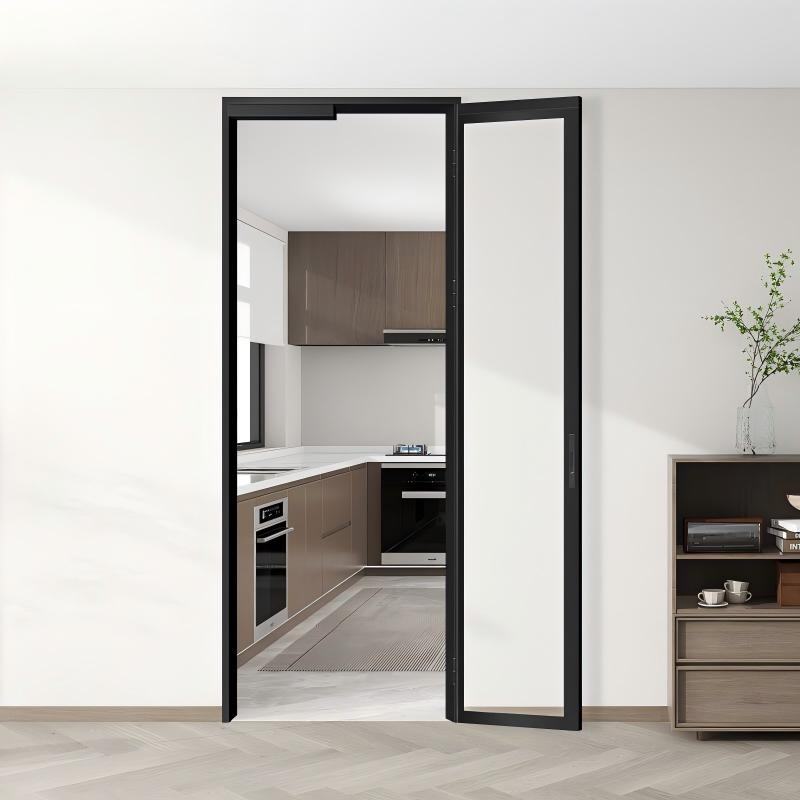
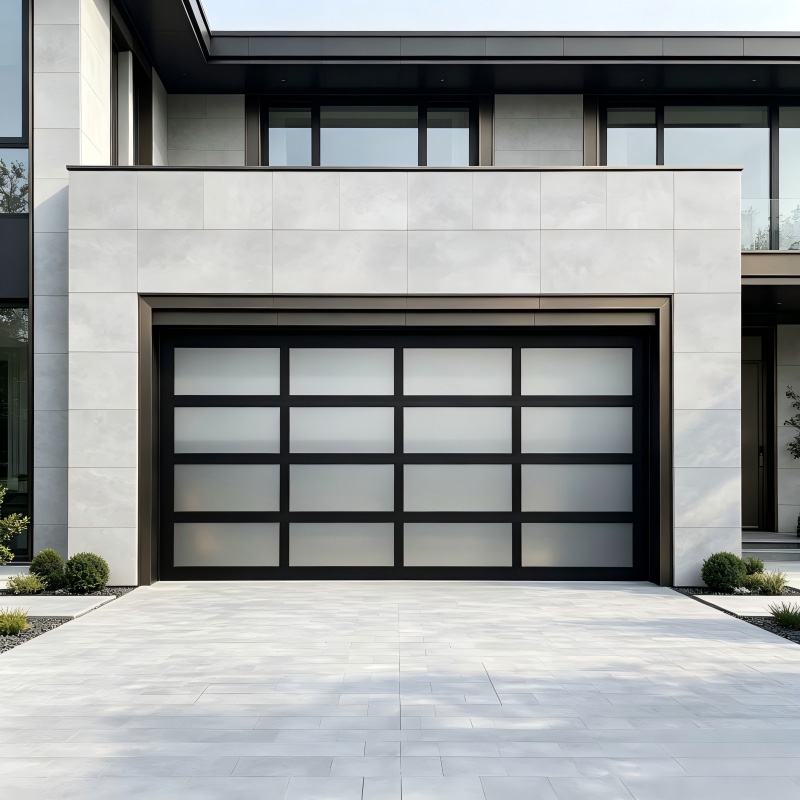
PAVIDA‘s door range includes folding, French, sliding, and swing doors, as well as aluminum front doors, garage doors, and PD Doors. This range supports different project conditions, from a compact interior transition to a large architectural entrance. Selection should begin with the opening’s function and movement pattern, then address thermal design, sealing, glazing, hardware, and the visual relationship with adjacent windows.
For a closer look at available configurations, review the PAVIDA aluminum door collection and compare the movement pattern with the floor plan. A front entrance may call for a more substantial system, so the PAVIDA front door range can be considered alongside the facade, threshold, and security requirements. For a distinctive large opening, PAVIDA PD Doors offer another design direction.
Conclusion
Thermal break aluminum doors work best when thermal separation, glazing, weather sealing, hardware, and installation are treated as one entrance decision. The right configuration can support comfort, security, circulation, and architectural character without forcing every project into the same door type. PAVIDA helps connect those practical requirements with custom aluminum door solutions for modern residential spaces.
To develop an entrance that fits the opening, the facade, and the way your home is used, contact PAVIDA for design support before the final door specification is set.
FAQ
Q: How do thermal break aluminum doors work?
A: A thermal break separates parts of the aluminum frame to reduce direct heat transfer between the outside and inside. Its effect also depends on the glazing, seals, threshold, door size, orientation, and installation. For that reason, thermal performance should be considered as part of a complete door system rather than as an isolated frame feature.
Q: Are thermal break doors better than standard aluminum doors?
A: Thermal break doors can be a better fit when a project places greater emphasis on indoor comfort and reduced heat transfer through the frame. The comparison should still include glass, weather sealing, hardware, opening size, and site exposure. A standard door may suit a simpler application, while a thermal break system may support a more demanding building envelope.
Q: What type of aluminum door is best for a large entrance?
A: The answer depends on the opening width, height, circulation, floor plan, and desired visual effect. Pivot doors can create a strong statement, while sliding or folding doors may work better when the opening connects indoor and outdoor areas. The hardware, load path, threshold, glazing, and surrounding structure should be reviewed before selecting the style.
Q: Are aluminum front doors suitable for coastal homes?
A: They can be suitable when the door configuration is matched to the site’s wind, moisture, sunlight, and maintenance conditions. Coastal selection should include the frame finish, hardware, seals, drainage, cleaning access, and installation details. The design should be based on the actual exposure of the property rather than on a generic coastal label.




Leave a reply