







24th April 2026
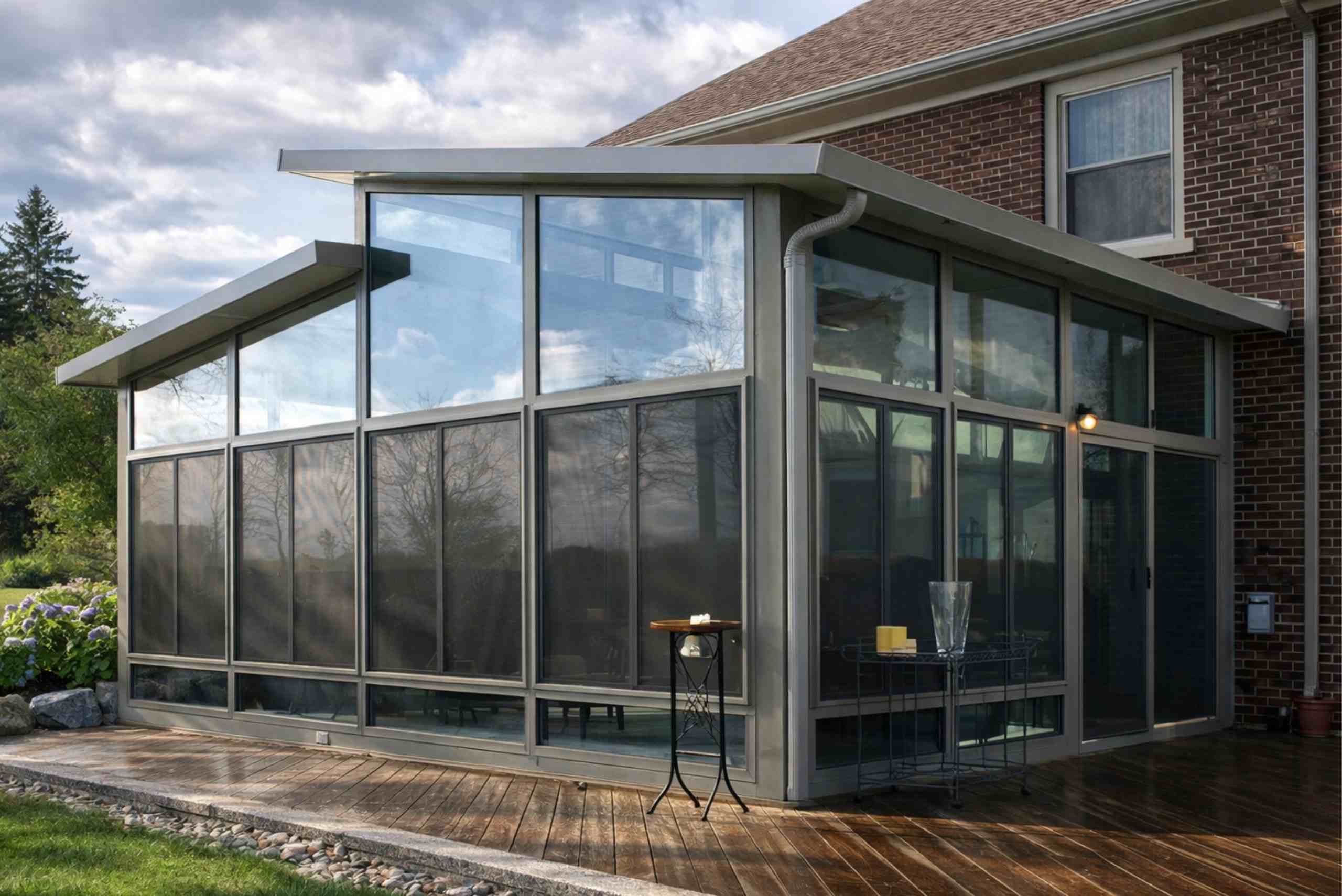
Many homeowners view a sunroom as an ideal addition. It serves as a glass-enclosed haven that links the inside of the home to the outdoors. Yet, without smart climate management, this vision can soon become a problem in summer. Too much heat from the sun turns the cozy area into a hot trap. This makes the space uncomfortable and pushes up your power costs.
At PAVIDA, we focus on research and production of premium aluminum window and door setups. These are built to handle such issues directly. We blend engineering ideas from Germany with solid building practices. This way, we deliver options that keep a good mix of clear views and steady temperatures.
1. Implement High-Performance Thermal Break Technology
The main shield against warmth starts with the frame. Standard aluminum conducts heat well. As a result, it pulls outdoor heat right into your living area.
The PA66 Insulation Advantage
To fight this, PAVIDA applies “Thermal Break” methods. We place PA66 nylon strips between the inside and outside aluminum parts. These form a solid block that stops heat from moving through.
- Energy Efficiency: It cuts down the effort needed from your air conditioning unit. The inside stays fresh even under strong sunlight on the outside frame.
- Structural Integrity: With 6063-T5 strong aluminum, our frames hold big glass areas. They do so without losing warmth, protection, or strength.
The West-Facing Patio
Picture a house with a sunroom open to the late sun. In a basic setup, the metal edges would feel warm. But with PAVIDA thermal break parts, the inside stays at a pleasant temperature. This avoids the heat spread from the frame and keeps the area nice for afternoon relaxation.
2. Upgrade to Advanced Glazing and Low-E Glass
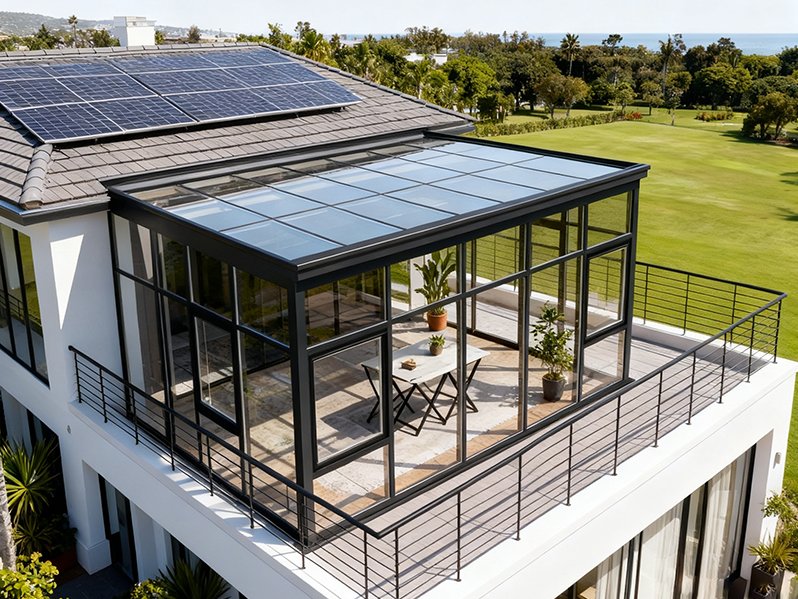
Glass covers most of a sunroom’s walls, so the right type matters a lot for managing heat.
Double-Glazing and Argon Fillings
PAVIDA sunrooms often use double-glazed tempered glass. This includes a closed space, usually with Argon gas inside, which insulates better than one layer of glass.
- Low-E Coating: We suggest adding a Low-Emissivity (Low-E) layer. This thin covering bounces back heat rays while letting light come in.
- Soundproofing: Along with heat control, it cuts down noise well, which helps in city settings.
Solving the “Greenhouse Effect” in Residential Lounges
In tall apartment sunrooms, sunlight can hit hard. PAVIDA’s Low-E glass fixes this by sending back up to 70% of the sun’s warmth. Your space gets plenty of daylight, but it avoids holding in the heat like a greenhouse. This protects your chairs from sun damage and keeps the air fresh.
3. Master Airflow with Strategic Window Systems
Stale air turns warm quickly. A frequent error is adding too many fixed sections and too few movable windows for good air flow.
Specialized Opening Styles by PAVIDA
Air movement works best when you direct it properly. PAVIDA provides a few reliable window designs:
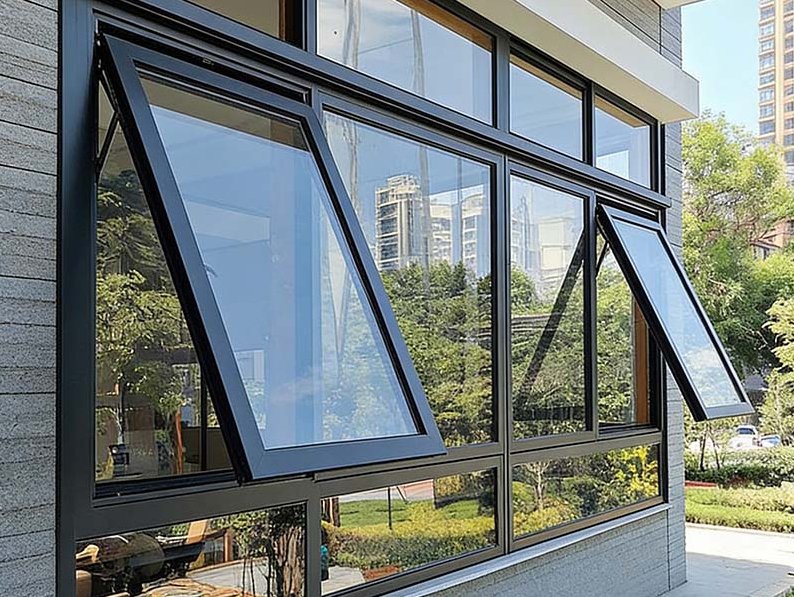
- Awning Windows: Hinged at the top, they swing out from below. They let in fresh air during light rain too, since the glass shields from drops while releasing built-up warmth.
- Tilt-and-Turn Systems: Popular choices, these tilt in at the top for safe air gaps or open wide for a full breeze.
- Louvre Windows: Great for warm areas, our aluminum glass blades let you set the angle to grab wind and still block views.
The Kitchen-Extension Sunroom
When a sunroom acts as a meal area or kitchen add-on, cooking warmth plus sun can build up fast. Fitting PAVIDA awning windows up high lets hot air rise out. This pulls in cooler air from below, much like a natural draft.
4. Integrate Smart Shading and Privacy Controls
At times, blocking light at the source cools the room best. Outside covers work, but they need upkeep.
Built-in Shutter and Smart Glass Options
PAVIDA offers a cleaner fix: adding shades or “Smart Glass” right within the double-glass layers.
- Internal Blinds: Sealed between the glass, they stay clean and safe from gusts. Adjust the angles to stop the bright sun yet keep the sight.
- Protection: It adds another warmth barrier with an extra air layer, which slows heat passage more.
The Home Office Sunroom
In a work setup within a sunroom, bright spots on screens and warmth tiredness hurt focus. PAVIDA’s built-in blind setup lets you adjust light just right over the day. It handles glare and holds a steady cool without messy hanging fabrics.
5. Enable Seamless Transitions with Folding Door Systems
On peak hot days, opening to shaded yard spots or house areas cools things down the most.
The Power of Bi-Folding and Slim Sliding Doors
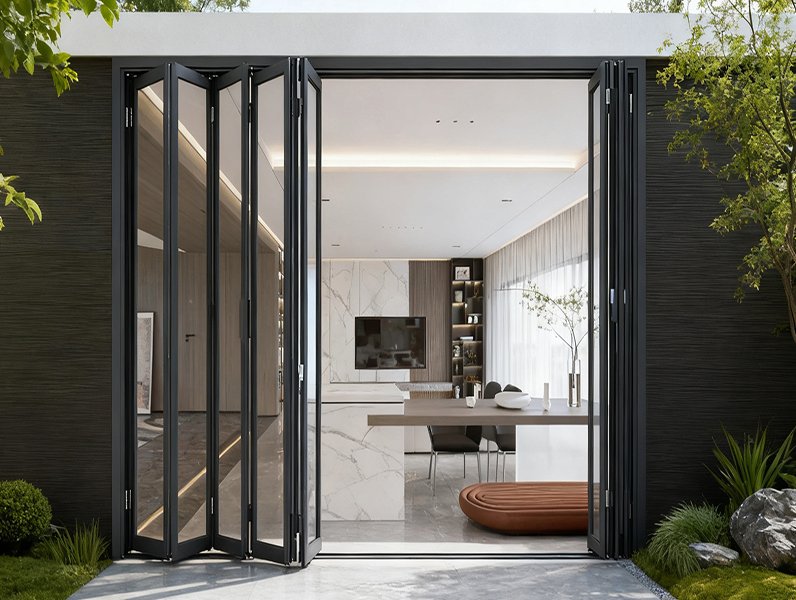
PAVIDA’s sturdy bi-folding doors (like our 80 Series) change a closed sunroom into an open spot fast.
- Space Saving: The narrow fold styles pull back a lot, using little room and giving a 95% open space.
- Smooth Operation: Top hardware from brands like ROTO makes heavy, warm-proof glass move and fold easily with light effort.
Solving the “Connection” Problem in Commercial Cafes
In a business spot like a cafe with a glass patio, matching the weather is key. On a sticky afternoon, PAVIDA folding doors close to let the cooling systems work well. When night brings cooler air, fold them aside for a welcoming open feel that draws people in. This fixes the close, stuffy air inside.
Conclusion: Engineering Comfort with PAVIDA
Handling sunroom heat calls for a full set of quality parts and wise planning, not just one item. At PAVIDA, we go beyond selling windows and doors. We supply the core structure for easy living. From our plant in Foshan, every thermal break part and seal follows global rules. This gives you a sunroom that stays welcoming, not too hot.
Contact PAVIDA Today
Set to improve your yard time? Our group gives custom help, from plans to shipment.
Reach out to PAVIDA for a detailed thermal review and a quote for your next project.
- WhatsApp: +86 18125772267
- Email: pavidaco@gmail.com
FAQ
Q: Can I retroactively cool an existing aluminum sunroom?
A: You can add some shades, but real cooling begins at the frame. If your setup misses thermal breaks, swapping old parts for PAVIDA thermal break windows offers the best fix over time.
Q: Does “Thermal Break” really make a difference in extreme heat?
A: Yes. In very hot places, a frame without breaks can hit over 60°C (140°F) from heat flow. A PAVIDA thermal break setup holds near room temperature inside, so the frame does not warm the space.
Q: Is triple-pane glass necessary for cooling?
A: Triple-pane suits harsh winters well. For heat control, double-pane windows with good Low-E coating and Argon gas often cost less and block the sun’s warmth effectively.
Q: Which is better for ventilation: sliding or casement windows?
A: Casement or folding types allow a full 100% opening for the best air flow. Sliding ones save room, but open just half the space at most.


Leave a reply