



Aluminum doors

CONTACT US
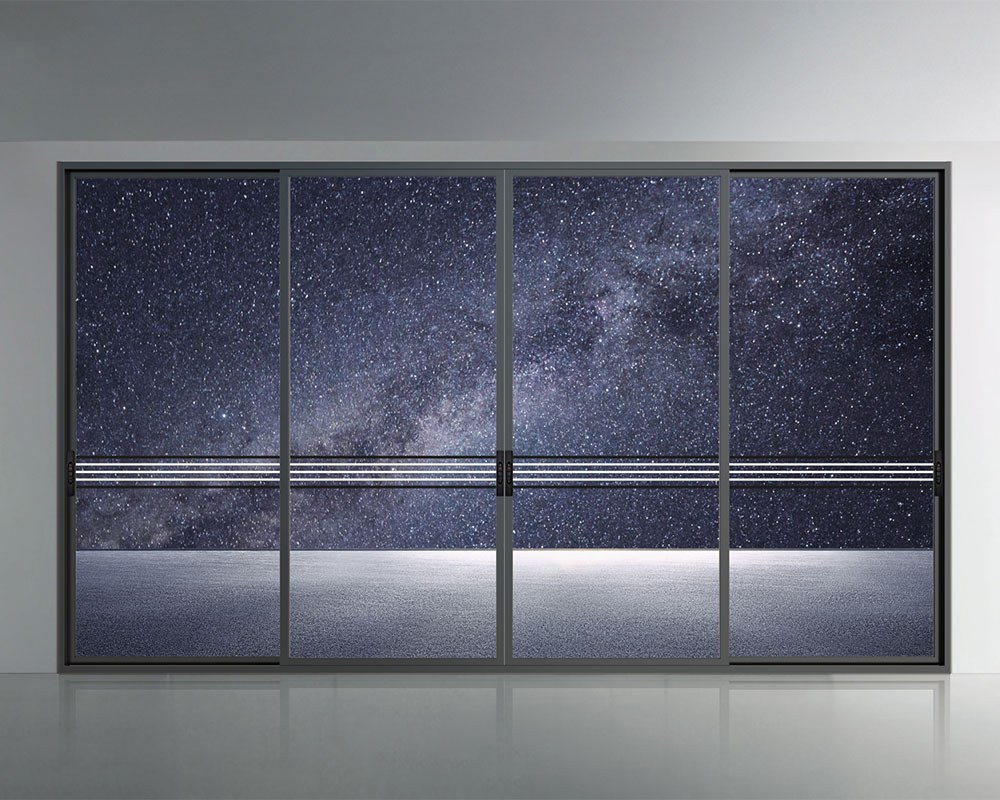
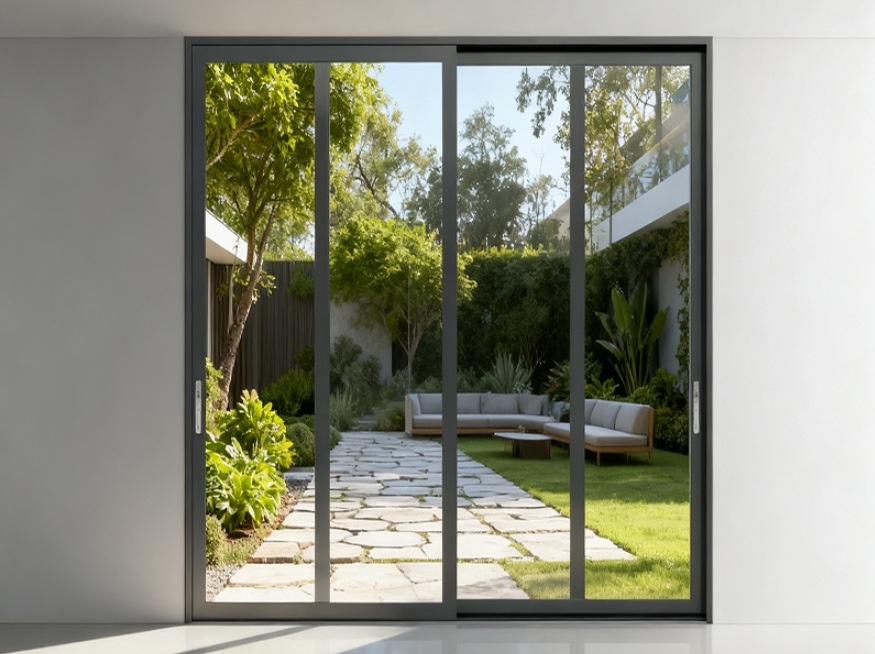
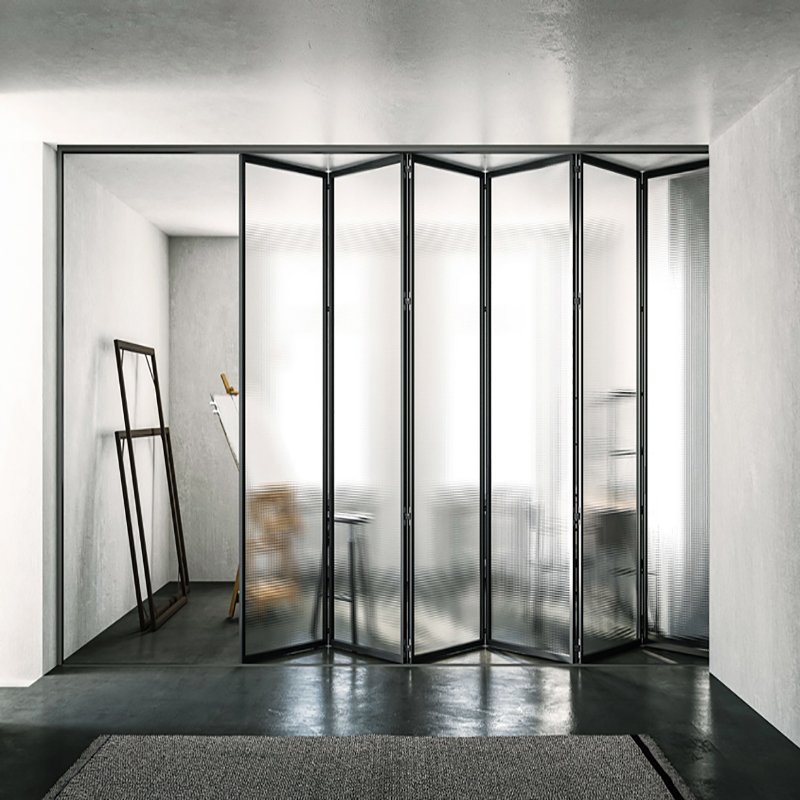
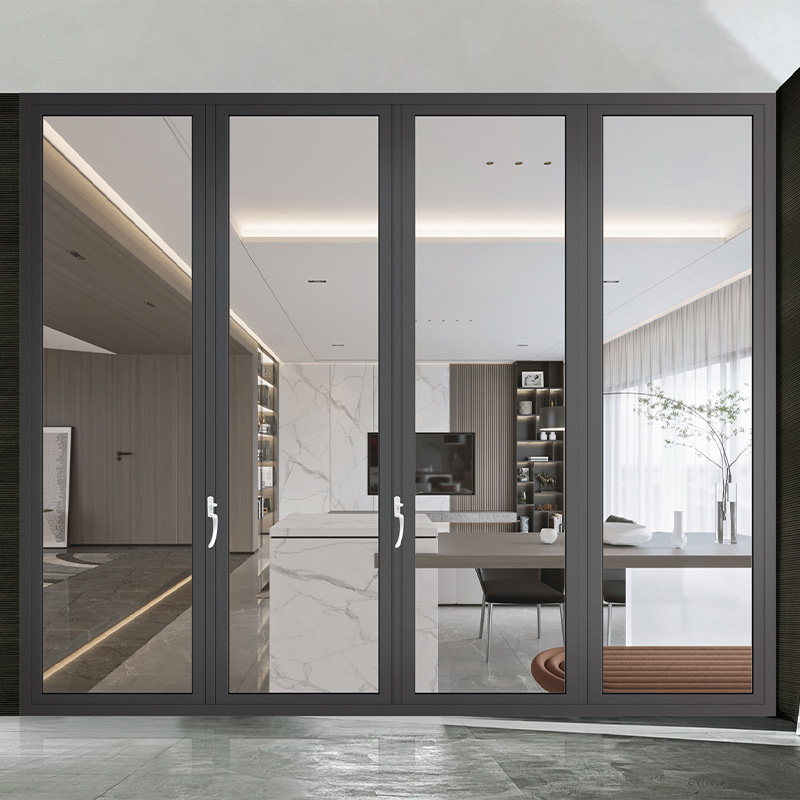
Aluminum PD Minimalist Mute Ultra-Slim Folding Door
With an ultra-slim frame design that expands the field of view, paired with high-toughness aluminum alloy profiles, the Aluminum PD Ultra-Slim Folding Doors offer wind pressure resistance, corrosion resistance, and long-lasting durability. When folded open, the door panels can be significantly retracted without taking up space, enabling seamless connection between indoor and outdoor areas effortlessly.
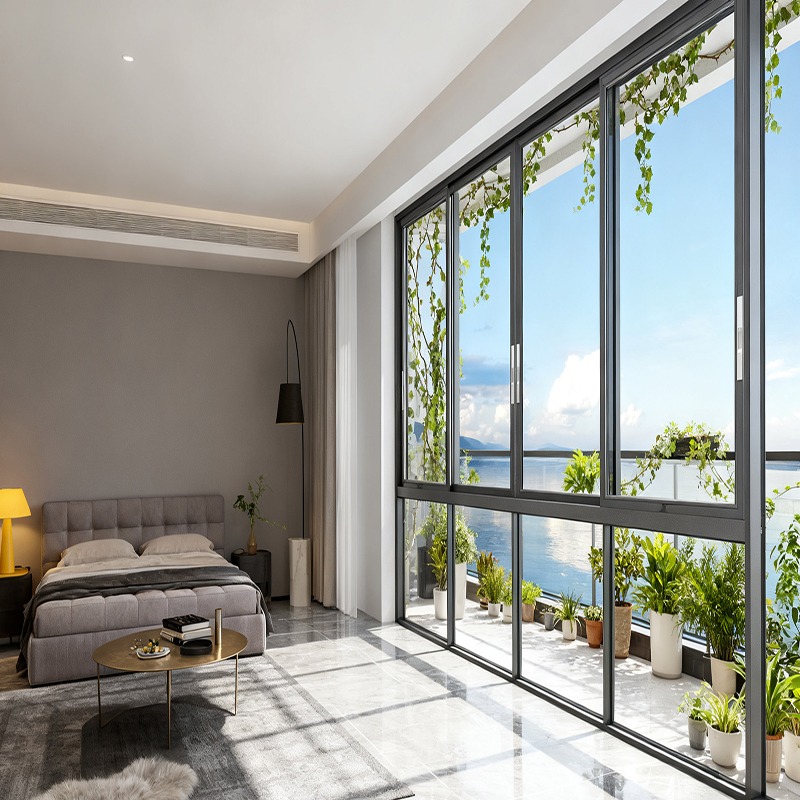
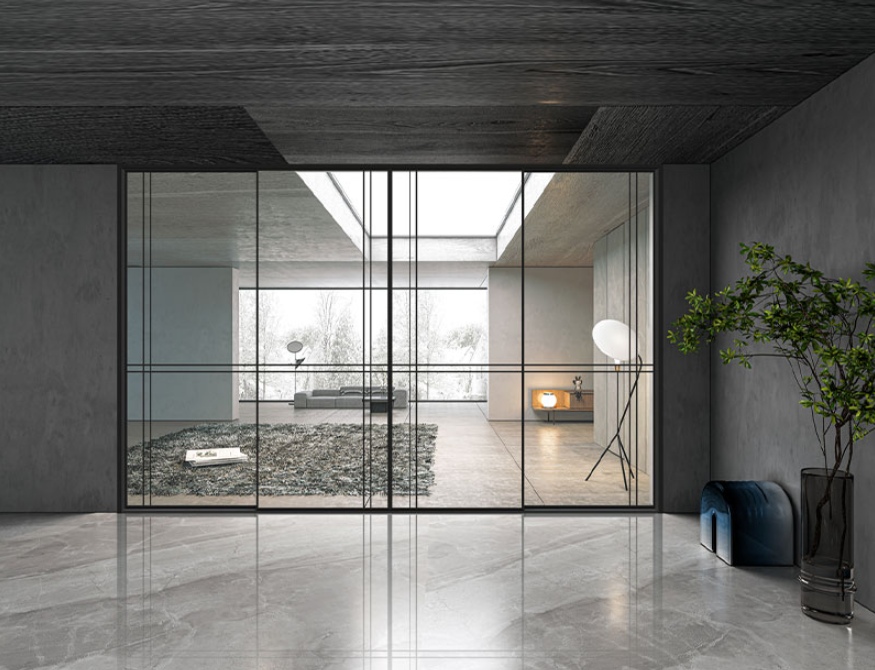
80 SERIES THERMAL BREAK HEAVY DUTY BI-FOLDING DOOR
The thermal-break aluminum alloy heavy-duty folding door is a high-performance door type specially designed for large openings. Its core advantages are super strong load-bearing capacity plus thermal insulation via thermal break technology, which can balance large-size opening, sealing protection and spatial aesthetics, making it suitable for high-end residential or commercial scenarios.
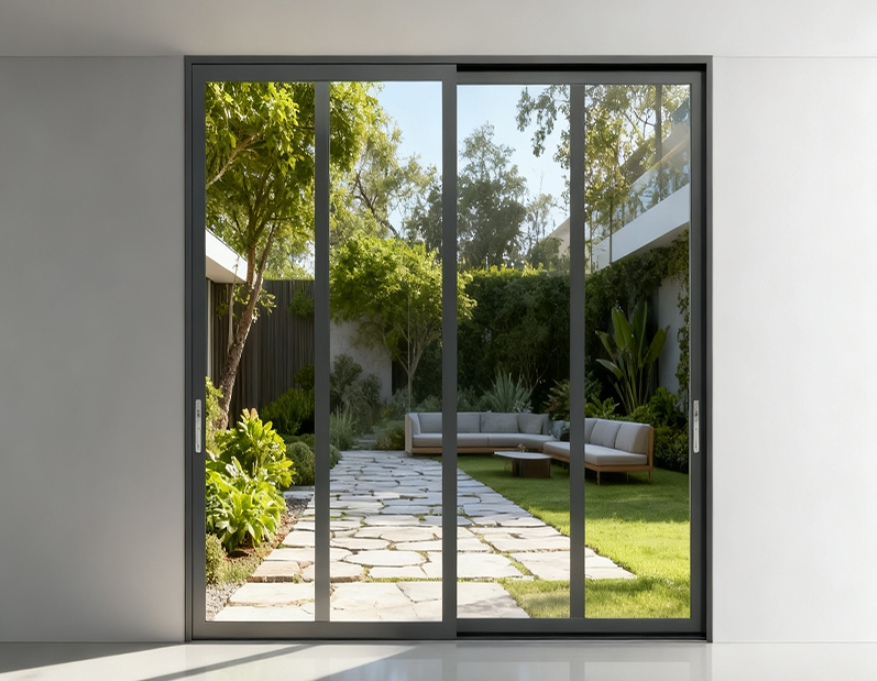
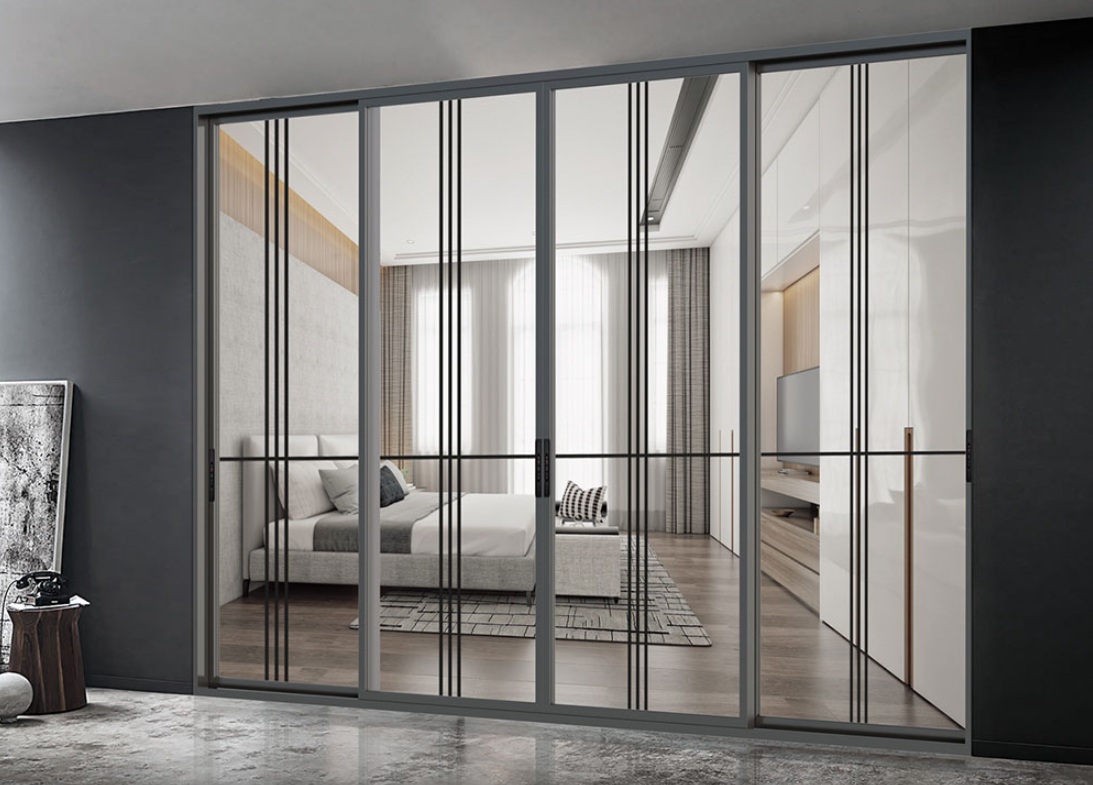
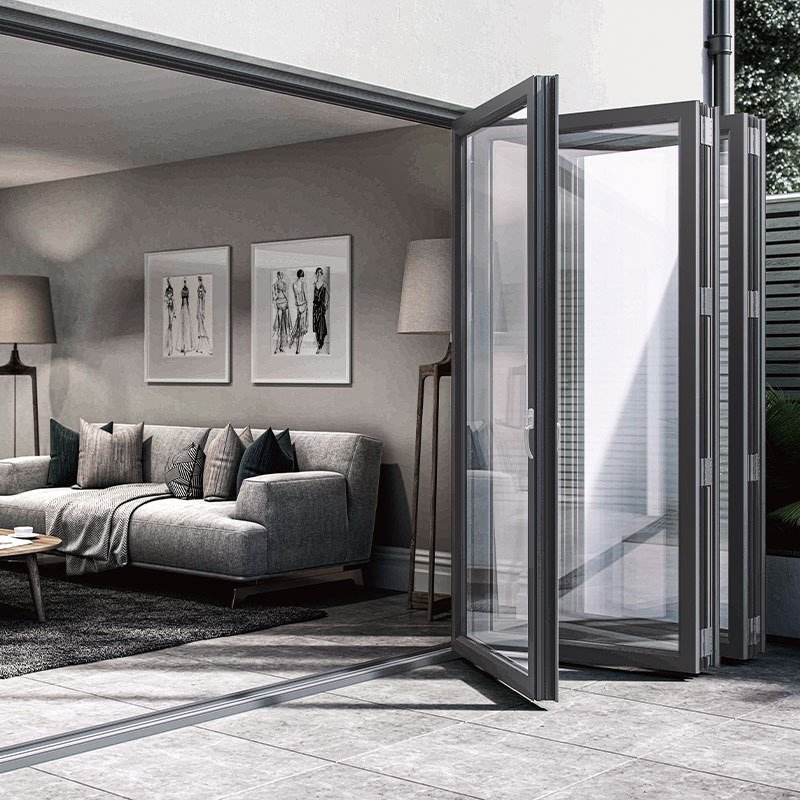
75 Series Aluminum BI-FOLDING GLASS DOOR
The Aluminum Alloy 75-Series Folding Glass Door, featuring 75mm thickened profiles and heavy-duty hardware, can bear a load of 120-180 kg per leaf. It can be made into a door body with a width of 3-6 meters, suitable for large-opening spaces. Equipped with a built-in thermal insulation structure and multiple sealing strips, it delivers excellent thermal insulation and soundproofing performance. When folded, it can retract to both sides without obstructing the space. With a moderate overall size, it does not look bulky due to excessive thickness and is compatible with various styles. It is suitable for scenarios such as living rooms, kitchens, exhibition halls, and courtyards, providing convenience for space connection and expansion.
Vector

Furniture Craftsmanship

Effect-128-1

Aluminum alloy

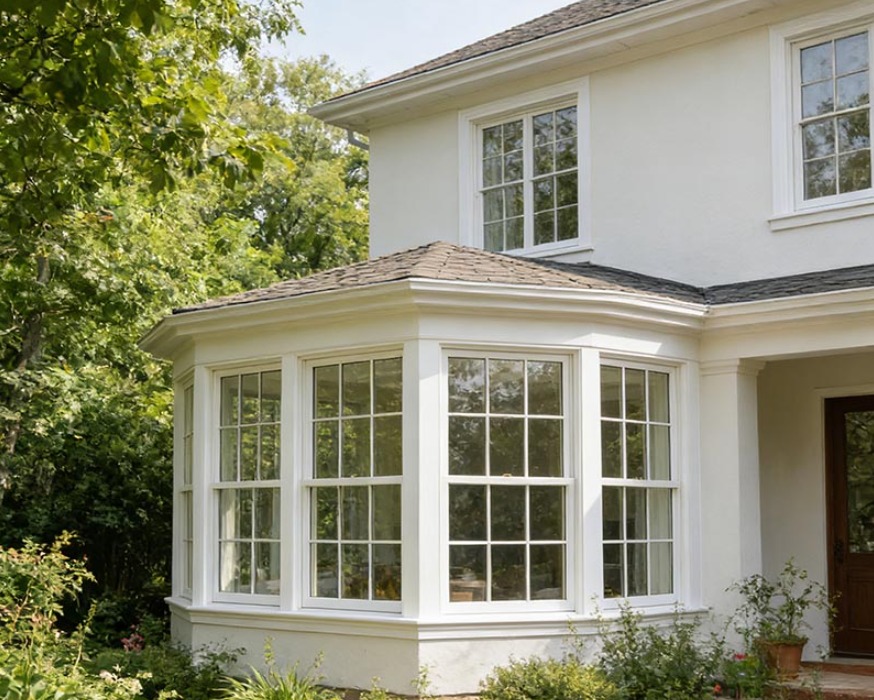
Inward Opening & Inward Tilting (Most Mainstream)
The sash can open inward (facilitating cleaning of the outer side of the glass) and tilt inward (allowing gap ventilation and preventing rainwater backflow). The screen sash is mostly outward opening or fixed, adapting to both opening states and balancing ventilation with mosquito protection.

Outward Opening
The sash pushes open outward, and the corresponding screen sash is inward opening (to avoid damage to the outward-opening screen sash from wind and rain). It does not take up indoor space when opened, making it suitable for small apartments or scenarios where there is furniture inside the window sill.

Inward Opening
Both the sash and screen sash open inward, featuring easy operation and convenient glass cleaning. However, it occupies a certain amount of indoor space when opened, so it is more suitable for indoor areas with no obstacles beside the window sill.

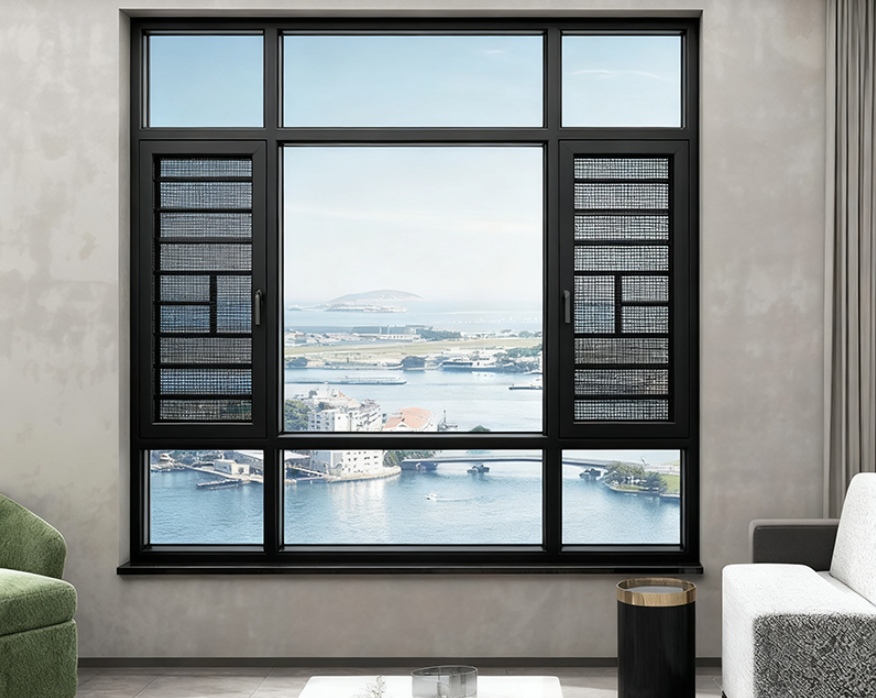
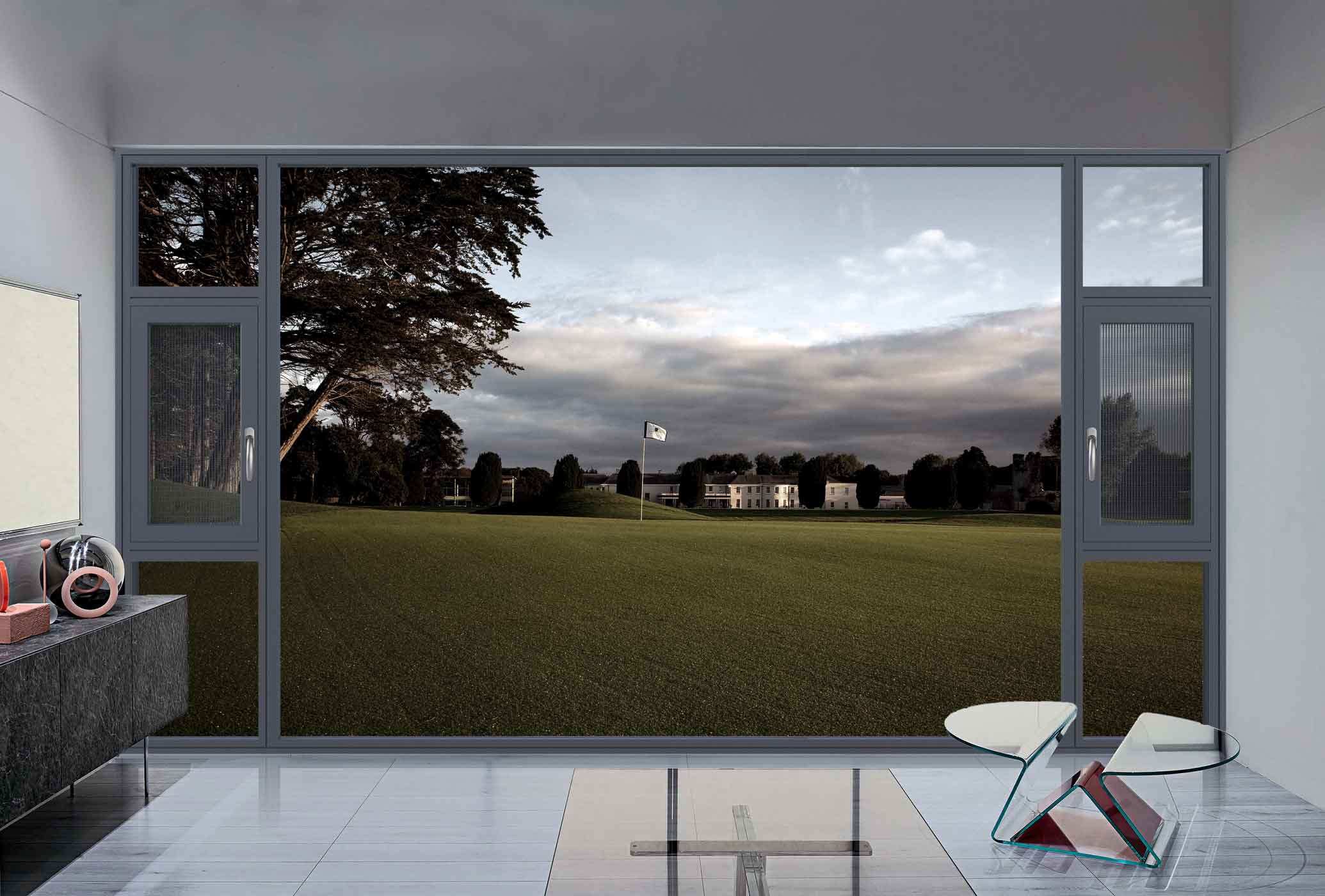
It features an integrated screen and a flush interior frame design, boasting an elegant and sophisticated appearance. Equipped with multi-channel sealing using EPDM gaskets, it offers excellent weather resistance, anti-aging properties, and water tightness. It comes standard with a full set of high-end hardware, and the glass configuration is 5+20A+5 double-layer insulated tempered glass. The screen opens inward, while the glass sash can open outward or tilt downward. Suitable for high-end luxury villas and premium residences, it adds quality and style to your home.

send us free
message


recent
blog articles

Peace of Mind Designing Safe Ventilation with Inward-Tilting and Limited-Opening Windows

02
April

Living in a high-rise apartment brings stunning views and a feeling of space. Yet for families with young children, those same windows can bring real worries. Traditional sliding windows or ones that swing outward often leave wide openings when people want fresh air.

PAVIDA, a manufacturer founded in 2013 in Foshan, China, has spent more than ten years studying this challenge. The company creates aluminum glass systems that carefully balance fresh air with strong protection. Drawing on solid German design ideas and tough materials, PAVIDA builds window solutions that put the safety of little ones first.

The Inward-Tilting Revolution: How Gap Ventilation Protects Children

In tall buildings, opening a window fully can feel too dangerous. The best answer comes from the inward-opening and inward-tilting system. This approach has grown popular among families who want to stay safe.

The 108 & 128 Series: Safety by Design

PAVIDA’s 108 and 128 Series Casement Windows use a two-way handle. Turn it to the tilt setting, and the top of the sash moves inward. This creates a small triangular space at the top for air to pass through.

  • Limited Gap: The opening stays small, usually just a few inches at the top. A child simply cannot squeeze through.
  • Anti-Falling Mechanism: Since the sash moves inside the room, wind or worn hinges cannot push the whole unit outward.
  • Rain Protection: The tilt angle keeps rain from driving into the room. Families can still enjoy fresh air even on a wet summer day.

The High-Rise Nursery

Picture a child’s bedroom on the 20th floor. On warm afternoons, the air inside grows heavy. With ordinary windows, parents must keep them shut or watch them every minute. A PAVIDA 108 Series casement window changes that. Set the handle to tilt, and the room gets steady airflow. Parents relax knowing the gap stays too narrow for a curious child to reach or widen.


Inward-tilting casement window for high-rise nursery

Controlled Vertical Movement: The Single and Double-Hung Advantage

Some rooms have tight spaces or furniture placed right against the sill. Here, vertical sliding windows provide a clean and safe choice.

Strategic Ventilation with the American Style Series

PAVIDA’s American Style Double and Single-Hung Windows run in straight vertical tracks that stay inside the wall.

  • The “Top-Sash” Advantage: In a double-hung unit, both sashes slide. Parents can lift only the upper sash to let warm air rise and escape. The lower sash stays shut and locked, well out of a toddler’s reach.
  • The Chimney Effect: Cool air flows in low while warm air leaves high. This natural movement refreshes the room without any low openings a child could use.
  • Safety Latches: Built-in limiters stop the sashes at a safe distance. The lock holds firm until an adult releases it.

Urban Living Rooms and Kitchens

In a small city kitchen, a dining table often sits close to the window. A side-swinging casement would bump into the table. A PAVIDA Single-Hung window slides straight up instead. Raise the lower sash a few inches, engage the safety lock, and cooking smells drift out while the play area below stays secure.


Single-Hung window for Urban Living Rooms and Kitchens

Structural Integrity and Multi-Layered Protection

A window stays safe only if its frame and locks hold strong year after year. PAVIDA chooses materials that keep hardware tight and reliable for a long time.

6063-T5 Aluminum: The Foundation of Safety Hardware

Every PAVIDA frame starts with 6063-T5 aluminum alloy. This metal offers good hardness and resists bending or twisting. Wood can rot, and vinyl can warp in strong sunlight, but this alloy keeps its shape. The steady frame means hinges and locks line up correctly for decades, so the window continues to lock tightly.

Integrated Diamond Mesh and Multi-Point Locking

Real safety comes from several layers working together. PAVIDA adds extra guards right into the frame.

  • 304 Stainless Steel Diamond Mesh: This strong screen appears in series such as the 128 Double Thermal Break. It looks clear yet stands up to hard knocks. It gives a solid backup that stops a child from leaning too far against the glass when the window tilts.
  • German-Engineered Multi-Point Locks: Working with names like ROTO and HOPPE, PAVIDA fits locks that grip the sash at several points along the edge. Strong winds or small hands cannot force the window open.

Thermal Efficiency and Acoustic Peace of Mind

Safety also means keeping the inside comfortable. High-rise windows face strong winds and quick temperature changes.

Thermal Break Technology and Insulated Glass

PAVIDA uses Thermal Break Technology with PA66 nylon strips that cut heat flow.

  • Energy Savings: The break reduces air conditioning needs by 15% to 20% in hot climates. Homes stay cooler without extra power costs.
  • Soundproofing: Combined with 5+20A+5 double-layer insulated tempered glass, the system cuts outside noise by as much as 35 decibels. City traffic and street sounds fade, so children sleep more quietly in busy neighborhoods.
Thermal Break Technology and Insulated Glass

Conclusion: Elevating Safety Standards in Modern Architecture

Windows form the outer layer of any high-rise. They must let in light and air while holding the family safely inside. Choosing PAVIDA systems—with 6063-T5 aluminum, German hardware, and inward-tilting designs—supports both property value and daily family life. Whether updating an apartment or planning a new luxury building, these windows bring lasting quality, quiet rooms, and clear views.

Protect the view and the people you love. Reach out to PAVIDA for a detailed safety review and a quote drawn from your building plans. Discover the calm that comes from well-built engineering.

FAQ

Q: Are inward-tilting windows safe for very strong wind conditions at high altitudes?

A: Yes. Inward-tilting windows, often called Tilt-and-Turn, perform well in tall buildings. Wind actually presses the sash more firmly against the seals. This action improves tightness and keeps the window stable, unlike outward styles that can catch the gusts.

Q: Can a child accidentally open a window equipped with an opening limiter?

A: When installed correctly, the limiters and safety locks from German brands such as ROTO need a clear sequence or a key to release. Many PAVIDA models include child-safety features that block the shift from tilt mode to full open without grown-up help.

Q: Why is “Diamond Mesh” better than standard fiberglass insect screens for high-rises?

A: Ordinary mesh tears easily and gives no real strength. The 304 Stainless Steel Diamond Mesh stays rigid and handles impacts well. It acts as an important extra layer that helps stop accidental falls.

Q: Does the material of the window frame affect long-term safety?

A: Yes, it does. The 6063-T5 aluminum keeps its strength over time. Vinyl materials can turn brittle after 10 to 15 years of sunlight, which may loosen hinges and locks. Aluminum holds steady and firm well past 20 years.

Commercial vs. Residential Windows What’s the Real Difference

27
March

When picking windows for a construction job, lots of folks think glass is just glass. However, the split between business and home setups includes key design picks that impact safety, performance, and how long they hold up. At PAVIDA, we have put in more than ten years improving aluminum glass options. By mixing German-type design with strong 6063-T5 aluminum alloy, we supply systems fitted to the special needs of any building area.

Grasping these variations marks the starting point for a good project. If you are building a lively shopping center or a calm personal house, the parts, build strength, and heat requirements will differ quite a bit.

Structural Integrity and Wind Pressure Resistance

The basic variation shows up in the build load. Business structures, mainly tall ones, deal with way stronger wind forces and tougher weather conditions than a typical two-floor residence.

  • Commercial Demands: Setups have to include broader aluminum shapes and solid load-carrying frames to fight bending in harsh wind.
  • Residential Stability: Although home windows deal with milder pressure, they still need top alloys like 6063-T5 so they stay straight and firm through many years of wear.
  • PAVIDA Solution: Our Series 120 Soundproof Glass Sliding Window uses 120mm sturdy profiles, giving top wind force resistance aimed at open or high spots.

High-Rise Urban Living

In a 20-story apartment building, windows act as the main shield from the winds up high. Basic home frames could make noise or shake under force. Putting in PAVIDA’s sturdy sliding systems fixes this. They offer a firm, shake-free frame that keeps seals tight during usual storms. From industry know-how, such setups cut down on common issues like air leaks over time.

Hardware Durability and Operational Frequency

A window in a residence might get opened once daily, while one in a business spot could handle hundreds of opens. This calls for a big jump in part quality.

  • Heavy-Duty Hardware: Business windows need exact bearings and steel parts to stop dropping or sticking.
  • Premium Residential Feel: In residences, the aim is a quiet slide and easy use for the whole family.
  • PAVIDA Advantage: We team up with leading German names like HOPPE, SIEGENIA, and ROTO to make sure each handle and hinge beats world function standards.
Thermal Break Folding Sliding Window for Street-Side Cafe

The Modern Street-Side Cafe

Cafe holders often face the balance between fresh-air draw and power bills. With PAVIDA’s Thermal Break Aluminum Top-and-Bottom Folding Sliding Glass Window, a cafe can open its front fully to walkers in busy times. The strong German parts keep the repeated folding smooth and quiet for years. This stops the sticking seen in basic systems. Drawing from field experience, these windows hold up well under daily heavy use.

Thermal Efficiency and Energy Management

Heat loss via windows can make up a big part of a structure’s power expenses. Both areas focus on good control, but the size and way of handling vary.

  • Commercial Scale: Big glass areas in offices have to handle large sun heat pickup to avoid soaring cooling bills.
  • Residential Comfort: House owners seek a constant inside temperature that keeps out winter cold and summer warmth.
  • Thermal Break Technology: PAVIDA adds tough PA66 nylon strips to our aluminum shapes. These work as a heat block, halting warmth from passing through the metal frame.

The Climate-Sensitive Private Estate

In a fancy villa with views from floor to top, regular aluminum can turn into a “heat bridge.” This makes the inside uneasy. PAVIDA’s 128 Double Thermal Break Casement Window fixes this by matching PA66 strips with 5+20A+5 double-layer insulated tempered glass. It cuts power use by up to 20% against windows without thermal breaks. So the home stays cool in summer and warm in winter. Based on installation data, this setup brings real savings in energy costs year after year.

Maintenance, Security, and Specialized Design

The working setting shapes how a window gets built for safety and simple care.

  • Maintenance Needs: In business structures, outside reach is hard. Homeowners also look for ways to skip risky ladder tasks.
  • Integrated Security: Strong lock setups and glass that resists hits are must-haves for guarding property.
  • Specialized Features: Options like “tilt-in” sashes let users clean the outer glass from indoors.
Thermal Break Casement Window for Bedrooms in Busy Cities

Quiet Bedrooms in Busy Cities

House owners near active roads often deal with city sounds that break sleep. PAVIDA’s 108 Series Thermal Break Casement Window with Mesh handles this with a multi-space frame and EPDM seals to lower noise by up to 35 decibels. At the same time, the built-in 304 stainless steel diamond mesh gives anti-theft cover while letting fresh air flow safely. From urban tests, this design proves effective in cutting noise and adding security over long periods.

Conclusion: Making the Right Choice with PAVIDA

Picking between business and home windows comes down to linking the proper design to the right spot. At PAVIDA, we close this divide by giving adjusted aluminum options that bring business-level toughness with home grace. From high sliding windows to stylish French-style villa doors, our items are made to handle time, weather, and regular use.

Ready to elevate your next project?

Whether you are an architect, contractor, or homeowner, the PAVIDA team is ready to provide expert advice and tailored designs to suit your “Signature Style.”

Contact us today to receive a customized quotation and discover the PAVIDA difference.

FAQ

Q: Do aluminum windows meet international building and safety standards?

A: Yes. Good aluminum systems get checked hard for wind force, water seal, and frame power. For instance, PAVIDA products pass strict Australian Standard AS2047 and AS1288 certifications, meeting global safety marks.

Q: Why is “Thermal Break” technology considered essential for modern aluminum windows?

A: Aluminum carries heat naturally. Without a thermal break like PA66 nylon strips, windows shift outside temperatures into the building. This causes high power bills and possible damp problems.

Q: Is it possible to clean high-rise windows without specialized outdoor equipment?

A: Yes, if you pick the right setup. Many current systems, including double-hung and some casement types, have “tilt-in” or “inward-opening” functions. These let you clean the outer glass safely from inside the room.

Q: How long can I expect a premium aluminum window system to last?

A: Unlike wood that decays or uPVC that might bend in strong heat, the top 6063-T5 aluminum alloy resists rust and sun damage by nature. When matched with good parts, these systems usually last over 20 years.

Bifold Doors vs. Large Sliding Doors Choosing the Perfect Patio Entrance

26
March

In the current building design, the patio entry has changed from a basic way out into the heart of the house. People who own homes now want more than a plain door. They look for a clear line that blends the inside safe spot with the outside natural setting. At PAVIDA, we have put in over ten years polishing aluminum glass setups that do just this. These improve everyday life through German-type building and exact making.

The Evolution of the Patio Entrance: Why Your Choice Matters

The choice between a folding setup and a big sliding door often sets the whole feel of a living area. It changes how much daylight comes in, how air moves around, and how much floor space you keep for use.

Bridging the Gap Between Indoor Comfort and Outdoor Beauty

Current living gets shaped by the “outdoor space add-on.” No matter if it is a villa yard in Australia or a modern balcony in Washington D.C., the patio entry must fix the “fresh air issue.” It balances the call for air flow with guard against the weather. PAVIDA products are built to turn these spots into key parts that handle light and warmth balance while lasting through the years.

Bifold Doors: The Ultimate Solution for Seamless Transitions

If you aim to fully take away the wall between your living room and garden, bifold doors stand as the top pick. Unlike regular doors, bifolds fold back like a concertina. They stack tidily to one side and make a nearly full open space.

Maximizing Space with PAVIDA’s 80 Series and 75 Series Bifolds

PAVIDA gives special folding setups made for different needs:

  • 80 Series Thermal Break Heavy Duty Bi-Folding Door: This serves as our strong main model built for huge openings. Each panel can hold 150-200 kg, letting a full width of up to 8 meters.
  • 75 Series Aluminum Bi-Folding Glass Door: A flexible “ideal size” that mixes toughness with a slim shape. It has 75mm thick profiles and sturdy hardware that keeps movement smooth and quiet without bulk.
  • PD Minimalist Ultra-Slim Folding Door: Great for folks wanting a “no-frame” look. It applies a very thin frame to widen the view while keeping great wind force resistance.
PD Minimalist Ultra-Slim Folding Door for Ventilation

Hosting, Ventilation, and Wide-Open Views

Bifold doors fix the issue of “limited movement” during group events.

  • The Villa Courtyard: By setting up a PAVIDA 80 Series Bifold, you can get a 90% unobstructed opening. This works well for weekend grills where people move easily between the kitchen and patio.
  • Commercial Cafes: Many roadside sweet shops use our top-and-bottom folding windows to make a half-open setup for customers. This links inside seats straight to the walker traffic.

Large Sliding Doors: The Art of the Panoramic Viewing Frame

While bifolds give the biggest physical opening, large sliding doors get picked for their huge glass sheets and a few upright breaks. They work as a lasting “view frame” for your scenery.

Minimalist Elegance: The PAVIDA 4516 and 40 Series Sliding Systems

For those who value a neat, fresh look, PAVIDA supplies very narrow frame designs that blend into the building:

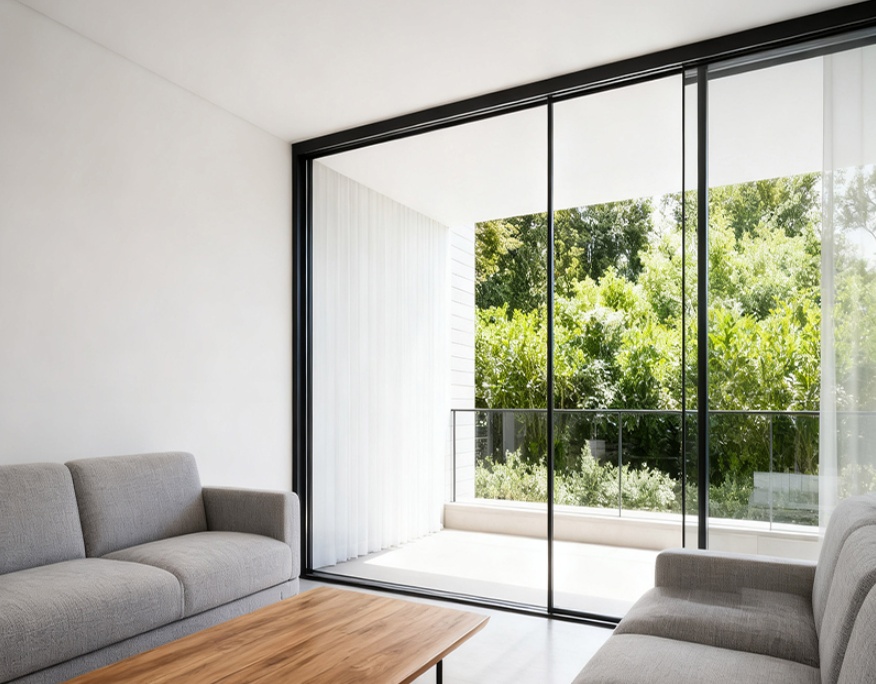
  • 4516 Series Minimalist Sliding Door: With a frame as slim as 16mm, this setup is made to make areas feel light and graceful. It uses smooth, quiet tracks that let even big panels slide with little push.
  • 40 Series Balcony Sliding Door: A solid choice for outside balconies. It fights wind and rain while filling the inside with natural light.
  • 50 Series Heavy Duty Sliding Door: Made with thicker profiles for steadiness in big business or villa uses.

Modern High-Rises, Wind Resistance, and Effortless Operation

Sliding doors handle the problem of “short floor space” and “bad weather weakness.”

  • High-Rise Apartments: In city spots where balconies stay narrow, a sliding door beats others because it does not stick out inside or outside when open.
  • Coastal Residences: In areas with strong winds, our 66 and 50 Series Sliding Doors offer a “Typhoon resistance level.” They keep the frame steady and leak-free during hard storms.
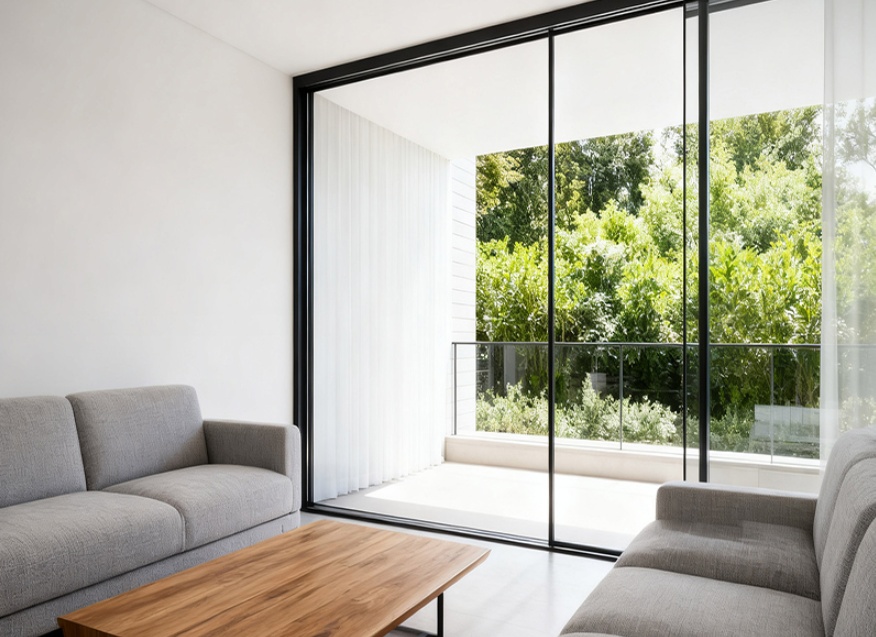
Minimalist Sliding Door for High-Rise Apartments

Technical Excellence: The PAVIDA Engineering Standard

Picking between folding and sliding ties to your way of life, but the door’s quality links to building skill. At PAVIDA, we stick to the materials that make your purchase last for many years.

6063-T5 Aluminum and Thermal Break Technology

All PAVIDA frames come from 6063-T5 aluminum alloy. This fights rust, wear, and bending far better than wood or uPVC. To cut heat loss, we add imported high-strength PA66 nylon strips. This “Thermal Break” method builds a wall that stops warmth from leaving in cold times and coming in during hot ones. It drops cooling costs by up to 15-20%.

Security and Soundproofing for Peaceful Living

Your patio entry should act as a guard along with a view spot.

  • Acoustic Insulation: By applying 5+20A+5mm double-layer insulated tempered glass, our doors lower outside sounds by 30 to 35 decibels.
  • Integrated Security: We work with leading German brands like HOPPE, SIEGENIA, and ROTO for parts. Our multi-point locks and optional 304 stainless steel diamond mesh screens give strong protection from break-ins and bugs.

Conclusion: Making the Perfect Choice for Your Signature Style

Whether you go for the broad open feel of a PAVIDA bifold door or the smooth, wide-view clearness of our slim sliding doors, you put money into a better, cozier living area. Our 4,000-square-meter current factory in Foshan uses advanced CNC tools to make sure each custom order fits your exact needs.

Stop going with basic walls. Lift your home with a patio entry that shows your own “Signature Style.”

Ready to transform your home? [Contact the PAVIDA team today] for a tailored talk. Let our pros help you build the right aluminum door setup for your next job.

FAQ

Q: Which door type offers better energy efficiency for cold climates?

A: Both can work well if they include Thermal Break technology. This applies PA66 nylon strips to stop heat from moving through the aluminum frame. It cuts heating and cooling bills a lot.

Q: Is it true that bifold doors are harder to operate than sliding doors?

A: With good German hardware and well-built tracks, PAVIDA bifolds get made for easy motion. Still, sliding doors usually prove simpler for fast, everyday patio reach.

Q: Are ultra-slim frames safe for homes in high-wind regions?

A: Yes, as long as they use top-grade 6063-T5 aluminum. This alloy brings the frame strength required to fight wind force and shape change even in slim designs.

Q: Can I install fly screens on large patio doors?

A: Absolutely. PAVIDA provides built-in 304 stainless steel diamond mesh screens for both bifold and sliding setups. They offer bug guard and extra safety without cutting your view.

Premium Aluminum Windows: Why Quality Is Worth the Cost

20
March

Homeowners and project managers starting to look into window replacement prices often see a wide range of figures. It can feel natural to pick the cheapest bid. In fenestration work, however, the low-cost choice frequently ends up costing more in the long run. Repairs come up often, energy bills climb, and the units fail sooner than expected. To grasp what sets the price for solid aluminum systems, examine the materials, the design details, and the careful assembly that goes into a better-grade product.


Quality materials and assembly drive aluminum window value

PAVIDA has concentrated since 2013 on combining solid German design principles with practical Chinese production methods. The company runs a 4,000-square-meter up-to-date plant. It delivers tailored products that focus on long service life and strong energy results.

Material Integrity: Why 6063-T5 Aluminum Sets the Price Floor

The biggest part of the cost comes from the base material itself. Better systems, including the ones from PAVIDA, stick strictly to 6063-T5 aluminum alloy.

The Strength-to-Weight Ratio Advantage

Manufacturers select 6063-T5 because it provides good strength while keeping weight low. Frames hold their shape through many thousands of opening and closing actions without bending or warping. This strength supports thinner frame profiles. Thinner frames allow more glass surface without dropping safety levels. Although this alloy costs more than vinyl or wood alternatives, it commonly delivers a service life well beyond 20 years in normal use.

Corrosion Resistance and Architectural Versatility

PAVIDA aluminum systems resist weather damage naturally. Part of the higher price covers quality surface finishes such as powder coating or fluorocarbon layers. These treatments shield the metal from color changes and corrosion. The protection holds up even in salty coastal air or other tough outdoor conditions.

Engineering the “Invisible” Value: Thermal Break Technology

One major element in current window pricing involves Thermal Break Technology. In the past, aluminum conducted heat far too readily and acted as a poor barrier. Today’s better systems address that issue by adding a separating layer of insulating material.


Thermal technology significantly impacts window price

PA66 Nylon Strips: The Barrier Against Heat Transfer

Systems like PAVIDA’s 128 Series incorporate PA66 nylon thermal strips. The strips divide the inner and outer aluminum sections completely. This separation stops direct heat movement through the metal. The process demands accurate equipment and extra assembly steps.

Reducing Energy Bills in Extreme Climates

  • Application Scenario: In places with tropical heat, like the Philippines, or cold winters such as Washington D.C., thermal breaks make a clear difference.
  • The Problem: Ordinary aluminum windows let heat rush inside during hot months or leak out in cold weather. HVAC units then run longer and harder.
  • The Solution: Installation of PAVIDA’s Thermal Break American Style Double Hung Windows cuts air conditioning and heating use by 15% to 20%.

Glazing Configurations: More Than Just Two Panes of Glass

Glass covers most of the window area. High-grade glazing, therefore, drives a large share of the total cost.

Argon-Filled Units and Low-E Coatings

Many quality windows come with 5+20A+5 double-layer insulated tempered glass. Argon gas fills the space between panes and boosts thermal performance noticeably. Low-E coatings go on the glass, too. They block damaging UV rays and help keep furniture from fading inside.

Soundproofing and Smart Glass for Privacy

  • Application Scenario: Homes or offices near heavy traffic or busy areas deal with constant outside noise.
  • The Solution: PAVIDA’s 120 Series soundproof sliding windows rely on multi-cavity frames plus insulated glass. They lower incoming noise by as much as 35 decibels and create a much quieter space.
  • Privacy Innovation: Every PAVIDA window offers the option of smart glass. A simple switch changes the glass from transparent to frosted. This feature removes the need for heavy curtains in bathrooms or meeting areas.
The 120 Series uses insulated glass and multi-cavity frames

Precision Manufacturing and Hardware Excellence

The reliability of any window depends heavily on its operating parts. Lower-grade systems often fit basic, lightweight hardware that wears out quickly.

German-Engineered Hardware (ROTO, SIEGENIA, HOPPE)

PAVIDA works with established German suppliers, including HOPPE, SIEGENIA AUBI, and ROTO for handles, hinges, and sliding tracks. These parts move smoothly and quietly. Testing shows they stand up to many years of daily use without the sash dropping or binding.

Multi-Point Locking Systems for Enhanced Security

Security forms an important part of the price for quality windows. PAVIDA systems use multi-point locks that secure the frame at several places at once. Combined with 304 stainless steel diamond mesh screens, the setup offers strong protection from break-ins and bugs.

Where PAVIDA High-Performance Systems Excel

High-quality aluminum systems show their worth most clearly when they tackle particular building or living situations.

Luxury Villa Integration: 80 Series Bi-Folding Doors

In upscale homes in areas like Colombia or around the Mediterranean, owners often want an easy connection to outdoor spaces.

  • The Problem: Standard walls cut off views and block natural airflow.
  • The Solution: PAVIDA’s 80 Series Thermal Break Heavy Duty Bi-Folding Doors reach spans up to 8 meters. Fully opened, they fold away completely. The living area then opens to a terrace, and the thermal break keeps indoor temperatures comfortable even on warm days.

Small Apartment Solutions: PD Minimalist Ultra-Slim Folding Doors

Tight city apartments require careful use of every bit of space.

  • The Problem: Regular swinging doors eat into floor area and limit furniture arrangement.
  • The Solution: PAVIDA’s PD Ultra-Slim Folding Doors have very narrow frames that increase the sense of openness. They fold back without taking up wall space, which suits them well for dividing kitchens or bathrooms in smaller floor plans.
Slim frames maximize the openness of Folding Doors

Conclusion: Investing in Your Building Envelope

High-quality aluminum systems carry a steeper upfront cost for window replacement. Still, the expense returns through lower energy use, fewer repair calls, and better home value over time. Selection of a producer like PAVIDA—with 6063-T5 aluminum, PA66 thermal breaks, and trusted German hardware—helps keep a property safe, peaceful, and pleasant for many years.

Are you ready to upgrade your property with world-class aluminum systems? Contact the PAVIDA team today to receive a customized quote based on your architectural drawings. Experience the perfect blend of German engineering and precision manufacturing.

[Contact Us / WhatsApp: +86 18125772267]

FAQ

Q: Why is “Thermal Break” aluminum more expensive than standard aluminum?

A: Thermal break designs need a detailed process to place a non-conductive PA66 nylon barrier inside the frame. The barrier cuts heat movement and brings down energy costs—a benefit missing in regular aluminum frames.

Q: How does aluminum compare to vinyl (uPVC) in terms of longevity?

A: Strong 6063-T5 aluminum lasts much longer. Vinyl often warps or grows brittle from sun exposure. Aluminum keeps its form and appearance for over 20 years, even when the weather turns severe.

Q: Can aluminum windows effectively block city noise?

A: Yes. With multi-cavity frames and 5+20A+5 insulated glass, these systems reduce outside sound by 30 to 35 decibels.

Q: Are large glass doors safe for families with children?

A: Yes. Top systems use tempered glass that resists impacts and breaks into small, dull pieces if damaged. PAVIDA folding doors also include well-designed handles that reduce pinch risks.

Home
WhatsApp
Email
       
Contacts