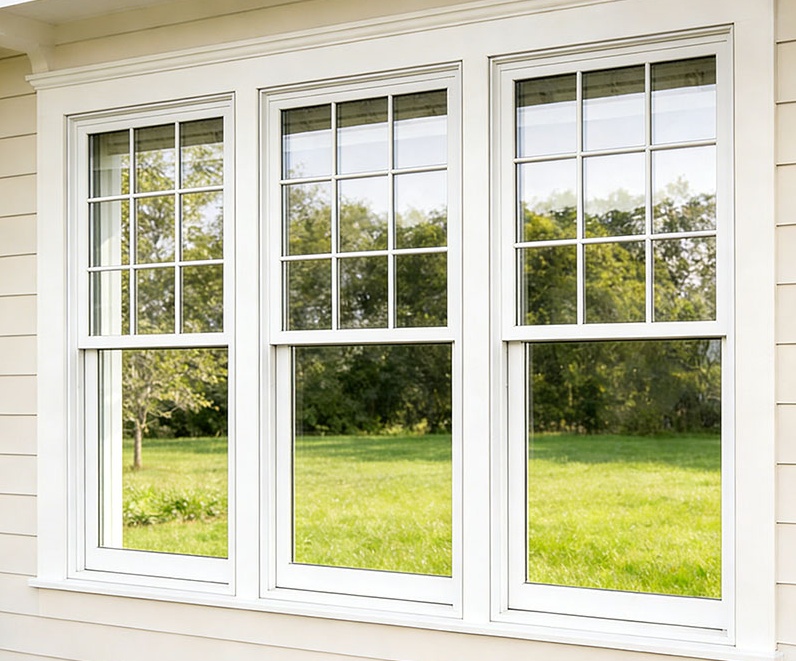





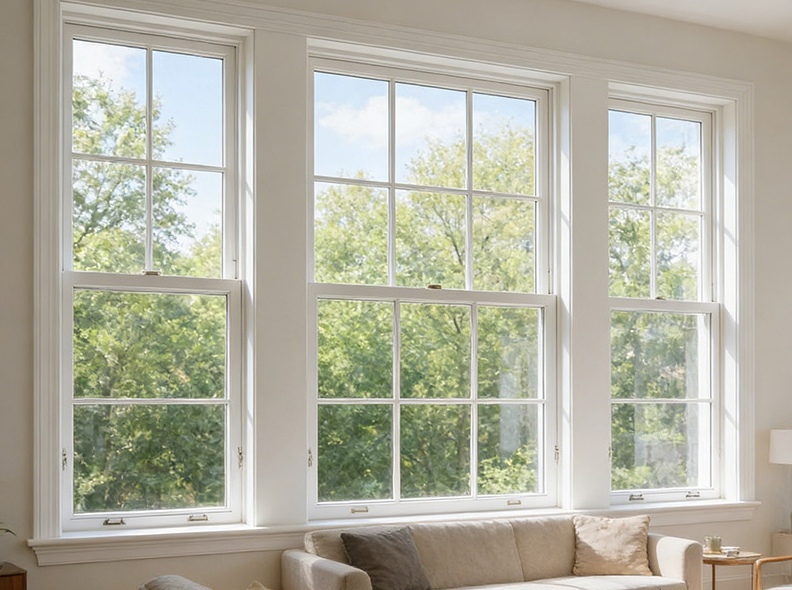
shape shape2 shape3 shape4
home // blog

Industry news

Single Hung or Double Hung Windows: Which Suits Daily Living Better

Windows do far more than let in light. They control temperature, fresh air, and safety inside the home. For most families, the choice between Single Hung and Double Hung comes down to everyday habits and needs. PAVIDA has worked on aluminum glass products since 2013, handling research, development, and production all in-house. The company runs a 4,000-square-meter factory and has spent years improving designs that borrow from German engineering while fitting worldwide tastes.

Single Hung vs. Double Hung: The Fundamental Mechanics

A clear grasp of how each type works helps pick the right one. Both fall under the lifting window group, and PAVIDA offers many options to match different building styles.

Defining the Single Hung Window

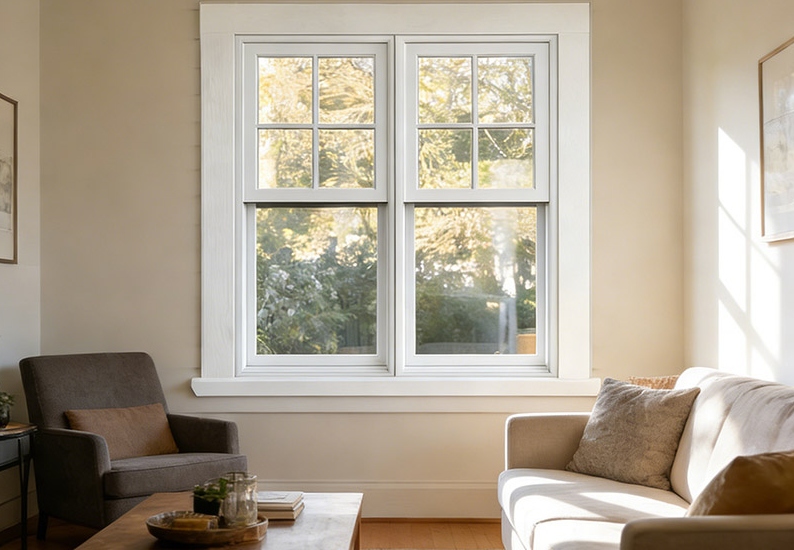
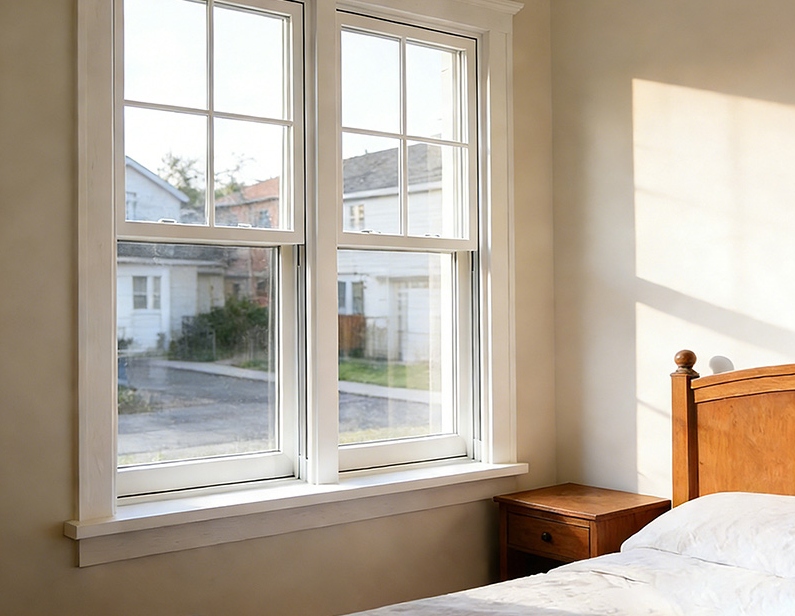
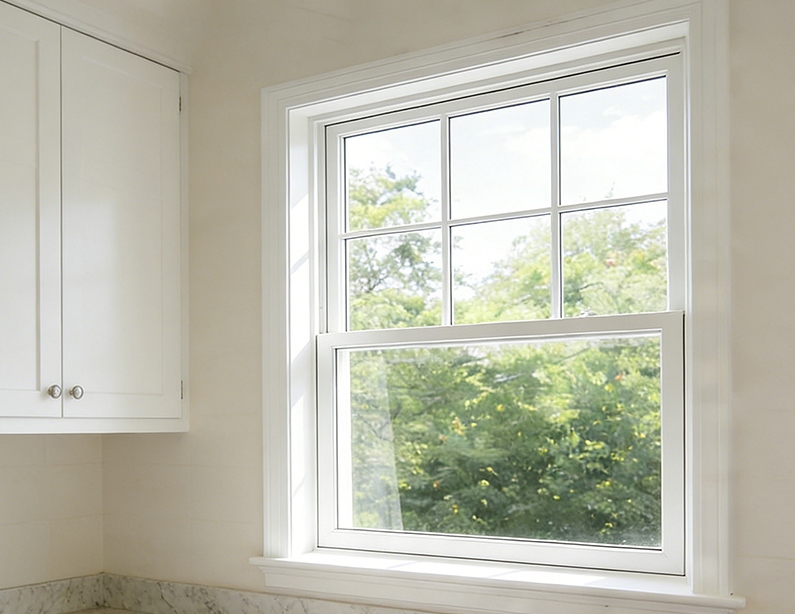
In a single-hung window, the upper panel stays fixed. Only the lower panel slides up for opening. This setup often keeps a stronger seal against drafts over time. Day-to-day use feels simple and dependable. PAVIDA machines parts with tight tolerances so the moving panel glides without sticking, a problem seen in cheaper models.

The Versatility of the Double Hung Window

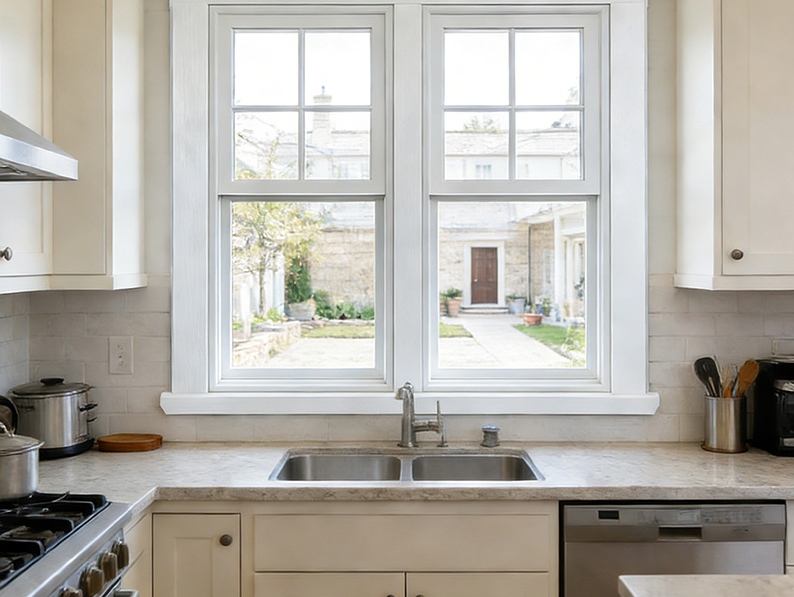
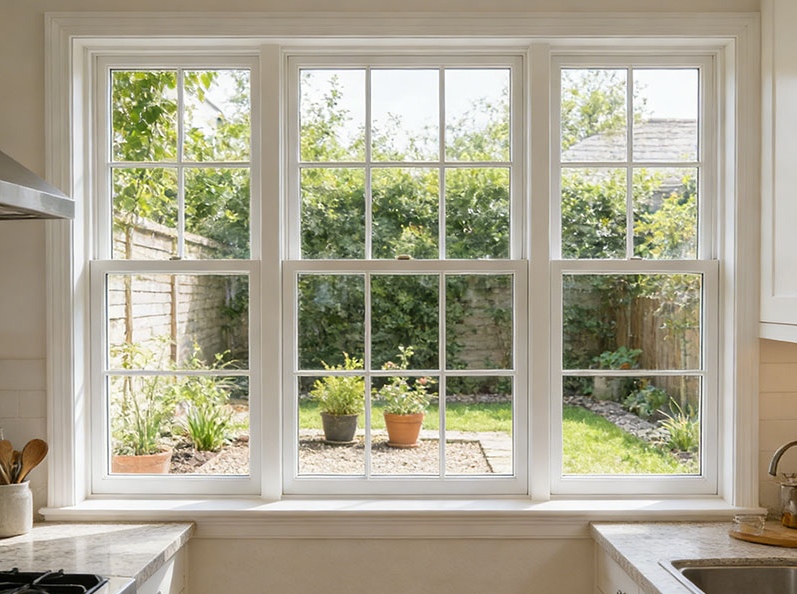
Double-hung windows let both panels move up and down on their own. That extra movement brings more ways to handle air and cleaning. From the outside, they look much like single-hung types. Inside, the freedom changes things. PAVIDA follows its guiding ideas of hard work, honesty, new thinking, and shared success. The company fits strong rollers and tracks that carry heavy double-glazed panels yet stay easy to operate.

Ventilation and Indoor Air Quality in Daily Living

Fresh air flow affects comfort more than most people realize. Stale rooms feel heavy and unpleasant fast.

Maximizing Natural Airflow Dynamics

Double-hung windows handle natural air movement better. You can drop the top panel and lift the bottom one at the same time. Cool air comes in low while warm air leaves high. This steady cycle works well in bedrooms and family rooms where people gather the longest. PAVIDA builds windows that let in plenty of light and air, helping homes feel open to the outdoors.
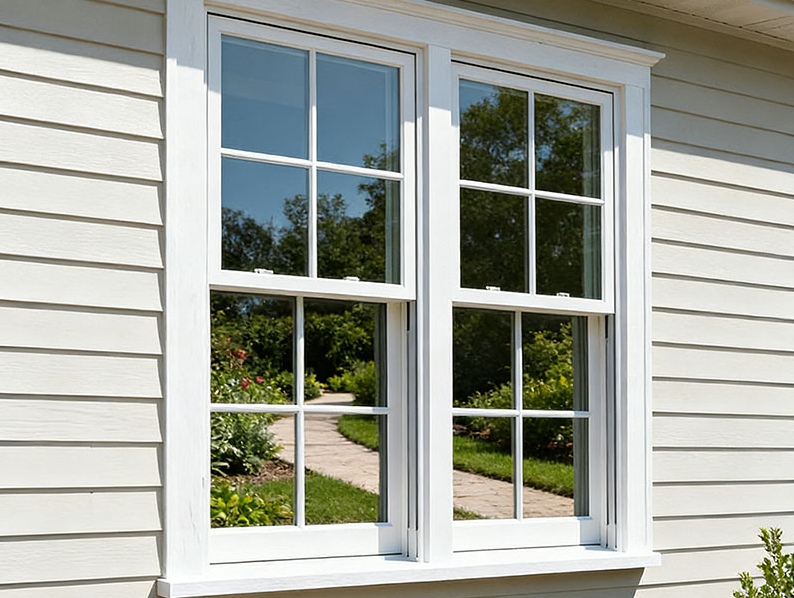
 

Double Hung Windows Maximize Natural Airflow Dynamics

Managing Humidity and Cooking Odors

Kitchens and bathrooms deal with steam and smells every day. Single Hung windows give basic opening from the bottom. Double Hung models clear the air quicker. After frying fish or boiling pasta, heat and odors rise fast. An open top panel lets them escape directly instead of lingering. PAVIDA fits tight seals and double glazing. When shut, the windows block dust and street dirt completely.

Practicality in Maintenance and Cleaning

Long-term owners care about chores as much as looks. Easy upkeep makes a big difference in satisfaction.

The Convenience of Tilting Sashes

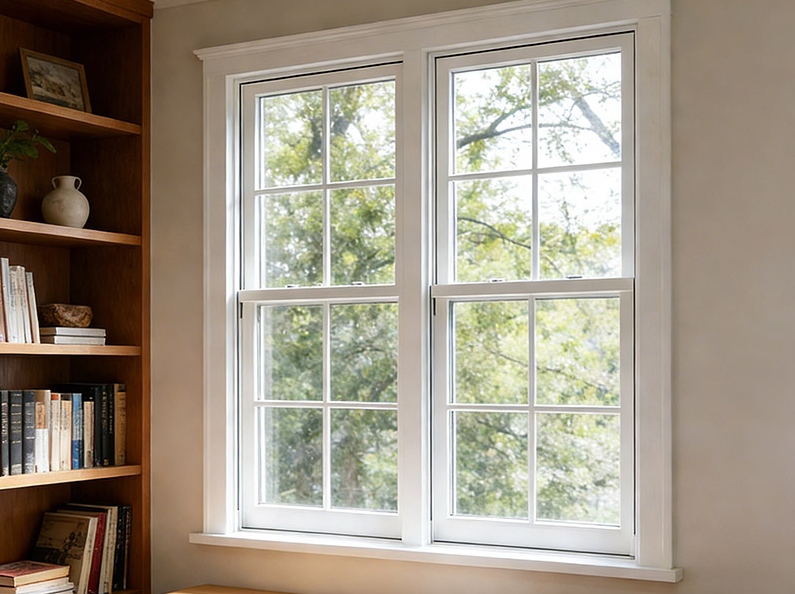
Modern double-hung windows often tilt inward. Each panel swings into the room for cleaning both sides from inside. Upper-floor windows become simple to reach. No ladders or outside help needed. Views stay spotless with little work. Single-hung windows still beat old wooden ones for care, but the outside glass usually requires reaching from outdoors. That can prove tricky in taller homes.

PAVIDA’s Low-Maintenance Aluminum Advantage

Frame material sets the upkeep level, no matter the style. PAVIDA uses only 6063-T5 aluminum alloy. It fights rust, rot, and weather wear naturally. Wood swells or decays in damp conditions. Plastic frames sometimes warp in the heat. Aluminum from PAVIDA holds its shape for many years. Powder-coated surfaces come in popular colors like matte black or champagne gold. They resist sun damage and clean up with mild soap and a soft cloth.

Safety and Security for the Modern Family

Comfort matters, but feeling safe counts just as much in daily life.

Protecting Children and Pets with Smart Design

Homes with young kids or animals benefit from Double Hung features. Keep the lower panel locked and open only the upper one. Air flows in high up, out of reach. Falls are unlikely. PAVIDA adds strong mesh screens of 304 stainless steel diamond mesh. The tight weave stops bugs and gives another safety layer.

PAVIDA’s High-Security Locking Systems

Strong locks form a key part of every PAVIDA design. Lifting windows carry multi-point systems that grip the frame at several places. Breaking in becomes much harder than with basic single locks. Tempered or laminated glass takes hard blows. If it breaks, tempered pieces fall in small, blunt bits rather than dangerous shards.

Energy Efficiency and Long-Term Value

Rising power costs make window performance a practical concern for budgets and the environment.

Thermal Break Technology and Insulated Glass

Many think aluminum conducts heat poorly. PAVIDA adds thermal break layers with PA66 strips inside the profiles. These stop warmth or cold from passing through metal. Standard setups include 5+20A+5mm double-layer insulated tempered glass, often with argon fill. Indoor temperatures hold steady longer. Air conditioning runs less, and bills drop.
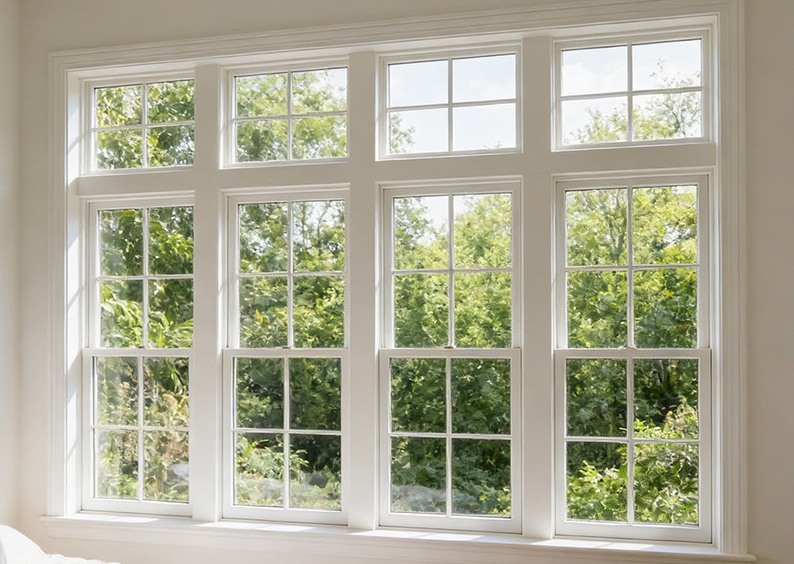
 

Thermal Break Technology and Insulated Glass

Enhancing Home Value and Longevity

Quality windows raise property value. PAVIDA tests products thoroughly and meets strict national standards. The clean, slim profiles suit current building trends. Projects in places like Washington, D.C., and Australia show how light and open views improve living spaces. A custom order from PAVIDA brings full support from planning through fitting and beyond. The windows last with solid build quality.

Conclusion

The better choice between Single Hung and Double Hung depends on your household routines. Single Hung windows bring straightforward use and lower cost. Double Hung models offer top control over air and simple cleaning for busy modern lives. Either way, PAVIDA delivers strong aluminum frames, modern thermal features, and careful craftsmanship that match personal style.

If you are considering upgrading your windows or planning a new project, PAVIDA is ready to support you with customized aluminum window solutions. Contact our team to discuss your needs and receive expert guidance from design to installation.

FAQ

Q: Can I customize the color and size of my PAVIDA windows?

A: Absolutely. We offer full customization of dimensions, profile colors like matte black or wood grain, and various glass types.

Q: Are aluminum windows effective at blocking outside noise?

A: Yes. Our windows use multi-cavity structures and double-layer insulated glass to significantly improve sound insulation for a quiet environment.

Q: How secure are the locking systems on PAVIDA windows?

A: We provide high-performance multi-point locking systems and impact-resistant tempered glass to safeguard your home against break-ins.

Q: Do PAVIDA windows require a lot of maintenance?

A: No. Our 6063-T5 aluminum and powder-coated finishes are corrosion-resistant and only need occasional cleaning with mild soap.

8th January 2026
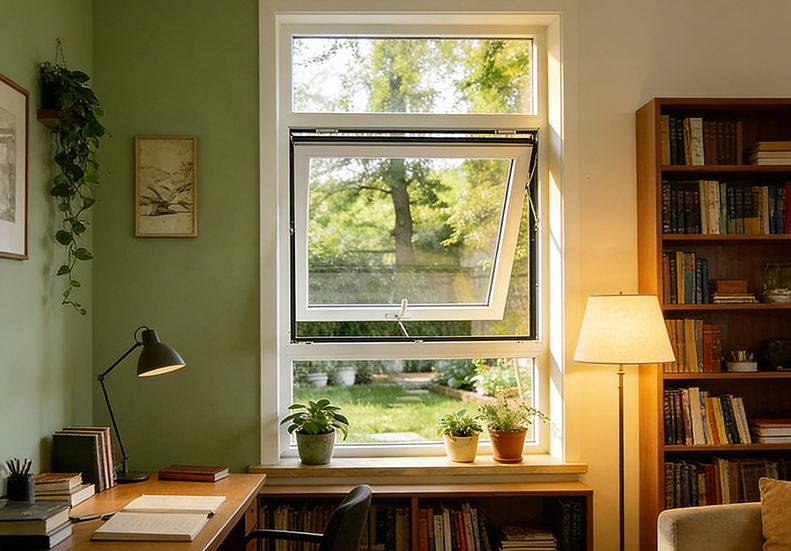
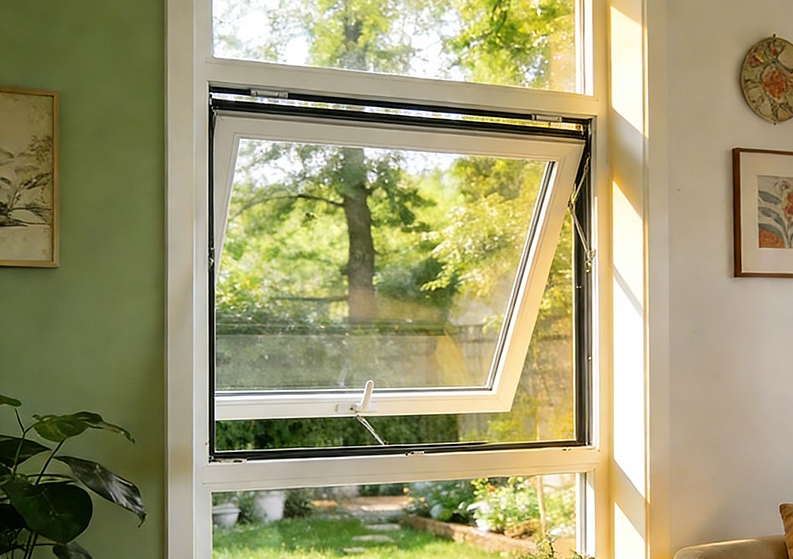
Enjoy Fresh Air Even in the Rain with Awning Windows

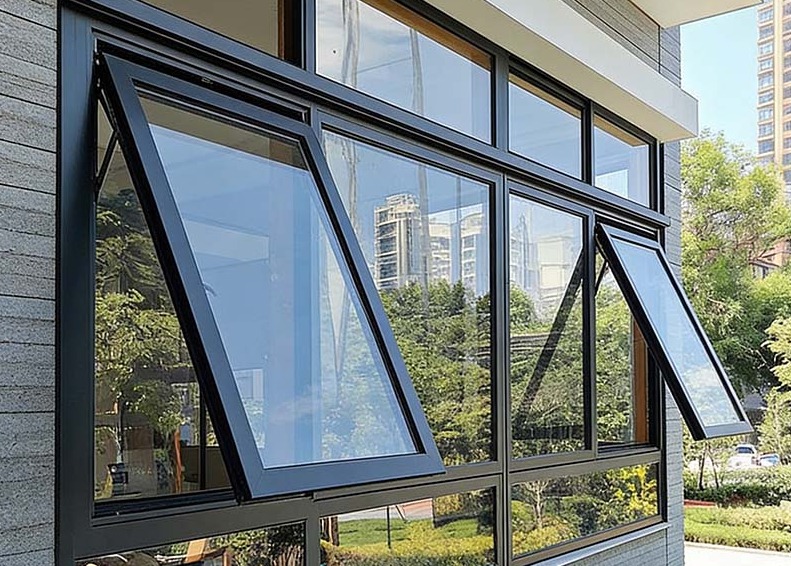
Rainy days force many homeowners into a tough spot. They can keep windows shut and deal with muggy, closed-in air, or open them and let water splash inside. Awning windows offer a smart way out of this problem. These windows hinge at the top and open outward from the bottom. That setup lets fresh air flow in no matter the weather. Traditional types often let rain enter, but awning windows block it while still bringing in the cool breeze and pleasant rain sounds.

Understanding the Unique Design of Awning Windows

The Top-Hinged Mechanism

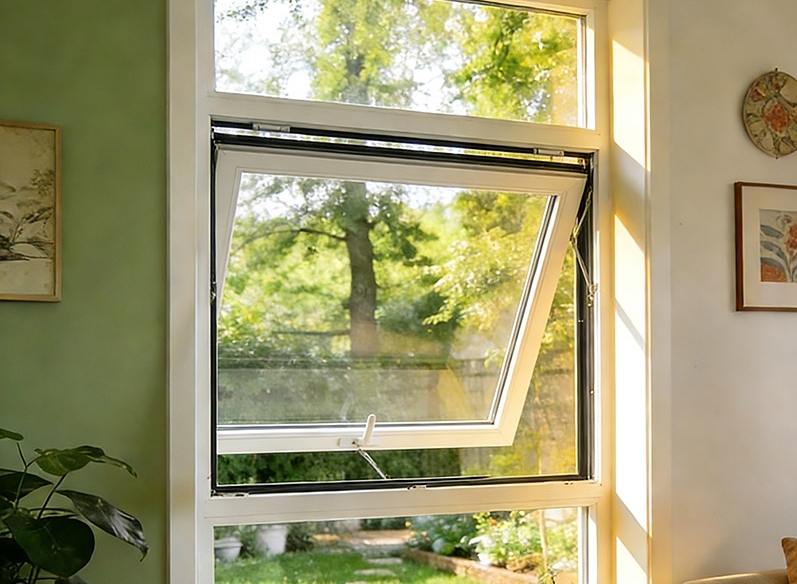
Awning windows stand apart because of their top hinge. The bottom of the sash swings out when you crank or push it. This differs from side-swing casement windows or track-sliding ones. PAVIDA fits these with precise parts from leading makers like German HOPPE and SIEGENIA AUBI. The hardware makes opening quiet and easy. It also holds the sash steady at whatever angle you choose.

The Architectural “Awning” Effect

The name fits perfectly. An open awning window forms a small overhang above the gap. The glass tilts down and out, so rain runs off the outside surface. Gravity does the work here. Air moves in through the sheltered lower opening, yet direct rain stays out. Few other window styles handle ordinary showers this well while staying open.

Why Ventilation Matters During Rainy Weather

Managing Indoor Humidity and Air Quality

Rain brings damp air outside, and closed homes trap even more moisture inside. Over time, the air grows heavy with breathed-out carbon dioxide and fumes from paints, cleaners, or furniture. Awning windows allow a gentle swap of inside and outside air. This steady movement keeps rooms from feeling thick and uncomfortable. People notice the difference right away—the space stays lighter and more breathable.

Preventing Mold and Mildew Growth

Too much dampness invites mold on walls, ceilings, and fabrics. It harms belongings and can affect breathing. Kitchens fill with steam after cooking, and bathrooms stay humid after showers. Awning windows let that moisture escape, even on wet days. Good airflow through rainy months helps protect the house structure and keeps the indoors healthier over the years.


Managing Indoor Humidity and Air Quality

Key Advantages of Awning Windows in Rain and Beyond

Uninterrupted Airflow without the Wet Mess

The main draw for most buyers is simple daily comfort. In places with long rainy seasons, regular windows stay closed for days. Sliding types open only partway and catch splashes on the inside ledge. Awning windows supply steady fresh air instead. PAVIDA often uses them in sunroom projects. Those glass-walled rooms can turn hot and stuffy in warm weather, but awning windows keep the air moving and the connection to outdoors strong.

Superior Energy Efficiency and Thermal Performance

Today’s windows depend on smart materials as much as on the hinge style. PAVIDA builds in thermal break features. Thickened PA66 thermal strips sit between the inner and outer aluminum parts. This setup cuts down heat flow through the frame. Paired with our usual 5+20A+5 double-layer insulated tempered glass, the windows hold indoor temperatures steady. Heating and cooling costs drop as a result.

Enhanced Home Security and Durability

Safety ranks high for any property owner. Awning windows open only a limited amount and often sit higher on the wall. That makes break-ins harder. PAVIDA adds multi-point locking systems along the frame edges. Several locks engage at once, far stronger than single-point setups on many sliding windows. The 6063-T5 aluminum alloy frames resist bending, rust, or damage from acid rain and bright sun over long periods.

PAVIDA’s Innovative Solutions for Modern Living

Premium Materials and German-Engineered Systems

Quality comes from every piece working together. PAVIDA began in 2013 and has blended local building practices with German-style engineering ever since. The windows serve as carefully built parts of the house, not just openings. Partnerships with companies like ROTO and KINLONG bring reliable hinges and handles. The Foshan factory uses up-to-date equipment to match each order exactly.


Premium Materials and German-Engineered Systems

Integrated Screens and Customization Options

Open windows can mean bugs inside. PAVIDA fits built-in screens of 304 stainless steel diamond mesh. The tough weave stops insects and adds another barrier against forced entry. Choices run wide for finishes and glass. Matte black suits are clean, modern styles. Wood grain transfer gives a warmer look. Frosted or tinted glass offers privacy where needed. The staff helps pick options that fit the project.

Installation and Long-Term Value

Professional Fitment for Maximum Water Tightness

Proper fitting decides how well a window keeps water out. PAVIDA crews secure frames with expansion bolts. They seal joints using foam filler plus durable weatherproof caulk. Multi-layer EPDM gaskets form tight barriers. This careful work stops leaks even when the wind drives rain hard against the house.

Low Maintenance for a Lifetime of Use

Aluminum needs little upkeep compared to other materials. Wood rots in wet conditions, and uPVC can yellow or crack under sunlight. PAVIDA’s powder-coated or fluorocarbon-coated frames fight fading and corrosion. A quick wash with mild soap keeps them looking new. Self-cleaning glass upgrades cut cleaning time further—rain alone rinses away most dirt.

Conclusion

Awning windows combine practical use with attractive design. They let you bring in fresh air on rainy days while staying dry and secure. Energy savings and strength come built in. PAVIDA follows principles of hard work, honesty, fresh ideas, and shared success. Our aluminum windows match individual tastes and improve comfort, calm, and efficiency in any home.

FAQ

Q: Are awning windows effective at blocking noise?

A: Yes. When paired with PAVIDA’s multi-cavity structures and insulated double-glazing, they effectively block external noise such as traffic.

Q: Can I customize the size and color of my windows?

A: Absolutely. We offer full customization of dimensions, frame colors (like wood grain or matte black), and glass types to fit your specific needs.

Q: Is it easy to clean the outside of an awning window?

A: It depends on placement. While the “awning” shield is great for rain, we often recommend “inward tilting” models or professional cleaning for windows on higher floors.

Q: Do PAVIDA windows come with a warranty or support?

A: Yes. We provide technical advice, video tutorials for installation, and a “design-production-installation-after-sales” one-stop service for total peace of mind.

9th January 2026

Single Hung Windows That Maximize Space in Compact Homes

Cities keep growing, and living spaces get smaller these days. People in urban areas want homes that use every bit of room wisely. Homeowners and builders look for smart ways to fit more into less space. Windows play a big role here, though many overlook them. Regular casement windows look nice, but they swing open and need plenty of clear area around them. That limits where you can put furniture or how you arrange a path through the room. Single-hung windows step in as a practical choice. This old-style design, updated with today’s technology, helps save valuable floor area in tight homes.

At PAVIDA, we know your home shows who you are. Each building decision matters. With more than ten years of experience crafting aluminum products, PAVIDA focuses on windows and doors that mix old-school use with clean, modern looks. In small homes, our strong lifting windows solve the problems of cramped layouts without fuss.

The Mechanics of Space Efficiency

Single-hung windows stand out because they open straight up. Casement types swing out or in, but single hung windows—known as lifting windows among experts—move one panel upward inside the frame. This basic difference changes how you plan a small home’s interior.

Vertical vs. Horizontal: Why Vertical Wins in Tight Spots

Horizontal room is hard to come by in slim hallways, tiny kitchens, or bedrooms with a bed right below the window. PAVIDA’s lifting windows stay in their tracks when you open them. They do not block inside or outside areas. This fits well in houses where windows overlook thin side yards, small patios, or sidewalks. They use upward space only, so you keep the full floor area around the edges free for use.

Preserving the “Swing Zone” for Furniture

In small places, it frustrates people to waste space in front of a window just for opening it. PAVIDA’s designs let you push a desk, cozy chair, or kitchen items right up to the sill. No hardware gets in the way. This clear setup opens up fresh ideas for packing more into the room. A cramped space ends up feeling bigger and better arranged.

Why Single-Hung Windows Are a Smart Investment

Picking single hung windows goes beyond saving room. They bring lasting strength and simple daily use. With fewer parts that move compared to fancy folding or sliding setups, these windows hold up well over time.

Enhanced Structural Integrity and Durability

PAVIDA builds frames from top-grade 6063-T5 aluminum alloy. This metal handles strong winds and stays tough. Wood frames swell in damp weather, and plastic ones bend in hot sun, but our aluminum stays true and works smoothly for many years. That steady build matters for lifting windows. The slide stays easy and quiet through countless openings and closings.

Cost-Effectiveness Without Sacrificing Style

Many buyers pick single hung windows for the upscale appearance at a reasonable cost. They beat pricier fold-away or large slide systems. PAVIDA adds luxury touches with very thin frames and fine surface options. You get that grand house feel in a city apartment without spending too much, keeping style and budget in balance.


The PAVIDA Advantage: Precision-Engineered Lifting Solutions

PAVIDA stands out through careful factory work and high standards. We do more than make windows. We create answers for today’s city dwellers, focusing on saving energy and cutting noise.

Thermal Break Technology for Year-Round Comfort

Small homes often struggle with temperature control. PAVIDA adds thermal break features to the aluminum sections. Thick PA66 strips stop heat from passing through. Combined with our usual 5+20A+5 double-layer insulated tempered glass, the windows hold warmth in cold months and keep cool air inside during summer. This cuts down on heating and cooling bills noticeably.

Superior Soundproofing and Acoustic Privacy

In tight urban spots, you live near others or noisy roads. PAVIDA puts your comfort first. The lifting windows have several inner chambers and quality EPDM seals. These team up to keep outside sounds away. Traffic hum, emergency vehicles, or nearby talks fade out. You get a calm indoor spot for work or sleep.

Maximizing Aesthetics in Small Spaces

Some think practical windows lack beauty. PAVIDA shows that’s not true. A window does more than let in light. It frames the outside world.

Minimalist Frames and Panoramic Views

We design around slim borders. Fewer metal shows, so more glass fills the opening. Natural daylight pours in, even through modest-sized windows. The room feels open and light, looking larger than it is. This wide-view style marks many PAVIDA homes, from jobs in Washington D.C. to ones in Australia.

Customization: Tailoring Windows to Your Signature Style

Each PAVIDA job involves working closely with you. We provide complete options to choose sizes, glass kinds, and fittings that suit your setup. Pick from finishes like matte black, champagne gold, or wood grain patterns. They blend with your interior decor. We include built-in screens made of 304 stainless steel diamond mesh. These stop insects and add safety while keeping the clean look.

Conclusion: Elevating Your Home with PAVIDA

Selecting windows ranks high among home choices. Single hung windows blend proven ideas with fresh improvements. They save space yet deliver strong performance and good looks.

Partnering with PAVIDA means picking a team focused on quality, from first sketches to handover and ongoing help. Our full-service approach means custom aluminum windows meet precise needs and work flawlessly long-term. Turn your small home into a bright, peaceful, low-energy haven with PAVIDA’s fine aluminum products. Contact us now to begin building a better living area.

FAQ

Q: Are single-hung windows energy efficient enough for extreme climates?

A: Yes. PAVIDA uses thermal break profiles and argon-filled double glazing to maximize insulation and reduce energy costs year-round.

Q: Can I customize the color of my window frames?

A: Absolutely. We offer various finishes, including matte black, wood grain, and champagne gold, to match your home’s unique style.

Q: How secure are these windows against break-ins?

A: PAVIDA windows feature multi-point locking systems and high-strength tempered glass to provide reliable anti-theft protection for your property.

Q: Do single-hung windows help with city noise?

A: Yes. Our multi-cavity frames and insulated soundproof glass configurations significantly reduce external noise for a quieter living environment.

31st December 2025

Double Hung Windows for Balanced Air Circulation in Living Spaces

People want homes that feel fresh and comfortable. Good airflow matters a great deal, yet many overlook how windows handle it. A room can turn stuffy fast when air does not move properly. Homeowners often pick windows for looks alone, but the style—especially double hung types that open up and down—can make a real difference in daily living. PAVIDA, an aluminum windows and doors maker located in China, builds these systems to do more than sit in the wall. They help the whole house breathe better.

The Physics of Fresh Air: Understanding Balanced Ventilation

Fresh air inside follows the basic rules of heat and movement. For a room to stay truly comfortable, windows need to let old air out and new air in at the same time.

The Importance of Constant Air Exchange in Modern Homes

Today’s buildings seal tightly to save energy. That helps with bills, but it traps moisture, cooking odors, and pollutants if the air does not circulate. Mold can grow in damp spots, and people feel uneasy in closed rooms. Kitchens fill with steam and smells after meals. Living areas get warm and heavy when family members sit together for hours. Steady airflow keeps those spaces pleasant from morning to night.

How Vertical Openings Facilitate Natural Convection

Vertical windows shine because they work with the natural rise of warm air, sometimes called the chimney effect. When both the top and bottom sashes open, two streams form. Hot air escapes upward through the higher gap. Cooler outside air flows in through the lower one. This steady loop refreshes the room far better than side-sliding windows, which usually open only half the area and on one level.

Engineering Better Airflow: The PAVIDA Approach to Vertical Design

PAVIDA started in 2013 and has focused since then on improving aluminum windows with ideas drawn from German engineering. The company handles every step carefully, from drawings to final fitting, to create products that look modern and move air well.

Beyond Traditional Sliders: The Vertical Opening Advantage

Side-sliding windows save floor space and remain common. Yet they limit the open area to about half the glass. PAVIDA’s vertical designs, including our lifting windows, keep narrow frames for wide views. Homeowners can adjust the sashes a little for gentle breezes or open them wide for quick cooling. This control fits different weather and personal needs.

Space-saving and well-ventilated double-hung windows

PAVIDA’s Top-and-Bottom Folding Sliding Glass Window

A standout product is the PAVIDA Thermal Break Aluminum Top-and-Bottom Folding Sliding Glass Window. This model mixes folding and sliding in a smart way. The sashes fold inward and then slide aside, clearing a much larger opening than regular vertical windows. Nothing sticks out inside or outside when fully open. Balconies, kitchens, and cafe counters benefit most from this wide pass-through feel.

Stress-Free Maintenance: The Cleaning Revolution

High windows often stay dirty because reaching the outside glass feels risky, especially on upper floors. PAVIDA builds in simple ways to make cleaning safe and quick.

Tilt-In Mechanics for Safe Interior Cleaning

Many of our vertical and casement windows tilt inward. You release the catches, and the sash swings toward the room. Both sides of the glass become reachable from inside. No ladders needed. This feature suits tall homes and luxury properties where clear views matter every day.

Surface Longevity: Fluorocarbon and Powder Coatings

PAVIDA coats frames with durable powder or fluorocarbon finishes. These stand up to rain, salt air, and strong sunlight without fading or peeling. Frames keep their color and strength for years with only occasional wiping. We also offer self-cleaning glass options. Rainwater sheets off and carries away dust, so windows stay clearer longer.

Structural Integrity and Thermal Performance

Good ventilation means nothing if windows fail when closed. PAVIDA pairs strong materials with reliable German hardware from brands like SIEGENIA and HOPPE for lasting performance.

The Power of 6063-T5 Aluminum Alloy

Every frame starts with 6063-T5 aluminum alloy. This metal combines light weight with high strength and fights rust naturally. It outlasts wood, which can rot or swell, and uPVC, which may sag over time. Reinforced corners and chambered profiles resist twisting under heavy wind loads.

Multi-Cavity Thermal Insulation and PA66 Strips

Heat should stay inside during winter and outside during summer. Our profiles include wide PA66 thermal insulation strips that separate inner and outer aluminum layers. This break stops cold or heat from traveling through the frame. Paired with standard 5+20A+5mm double-layer insulated tempered glass, the windows hold steady indoor temperatures and cut heating or cooling costs noticeably.

Aesthetic Integration and Customization

Function and appearance should go hand in hand. PAVIDA works with customers to match windows to the home’s character and building style.

Matching windows to the home's character and building style

Slim Frame Designs for Expansive Views

Modern tastes favor open, bright rooms. The 120 and 108 series use very thin borders, so glass fills most of the opening. Fewer frames means more light and cleaner sightlines. Spaces look bigger and more inviting.

Tailored Hardware and Finish Options

Choices abound at PAVIDA. Select frame colors such as matte black, champagne gold, or wood grain patterns. Pick glass types—clear, frosted, or Low-E coatings—for privacy or extra energy savings. The team guides selections to suit brick, concrete, or timber walls and the overall look of the project. Full service covers design, production, and fitting.

In conclusion, a window serves as far more than an opening in the wall. It forms a thoughtful system that improves daily comfort. With PAVIDA’s vertical-opening aluminum windows, homeowners gain steady fresh air, easy upkeep, and strong temperature control. The result is a living space that feels healthy and attractive year after year.

FAQ

Q: Are vertical-opening windows safe for homes with children?

A: Yes, PAVIDA systems include high-quality multi-point locking mechanisms and safety tempered glass to prevent accidental falls and ensure top-tier home security.

Q: Can I customize the color to match my interior design?

A: Absolutely. We offer a wide range of finishes, including matte black, champagne gold, and wood grain patterns, to seamlessly integrate with any decor style.

Q: How do these windows perform in extreme weather?

A: Our windows use thermal break profiles and EPDM gaskets to provide excellent water resistance and wind pressure resistance, making them suitable for diverse climates.

Q: How long does the installation process typically take?

A: While timelines vary by project complexity, our professional team often completes standard residential installations in about one day with minimal household disruption.

30th December 2025

Hidden Role of Window Mechanisms in Noise and Weather Control

The Hidden Importance of Window Operating Mechanisms

Homeowners love talking about glass types and frame colors when they pick new windows. What they usually forget is the hardware that actually opens and closes the thing every day. That crank, track, or hinge decides if you get a room full of fresh air on a summer evening, or if cold drafts sneak in all winter. Get it wrong, and you end up shoving furniture around just to open the window, or listening to traffic noise you thought you paid to keep out.

PAVIDA: Customized Excellence in Aluminum Windows

PAVIDA builds aluminum windows and doors, start to finish, in our own shop. We borrow the best ideas from German window systems, but keep the pricing realistic. Everything we ship is made to last twenty years or more, lock tight, save on power bills, and look exactly the way the customer sketched it.

The Casement Mechanism: Superior Sealing and Maximum Crank-Out

Functionality: Unmatched Ventilation and Compression Sealing

Turn the handle on a casement, and the whole sash swings out like a door. Nothing else comes close to fresh air—the entire opening is free. On a breezy day, the sash actually scoops the wind and pushes it straight into the room. Close it, and the same handle pulls the sash hard against thick rubber gaskets. That compression is why casements laugh at driving rain and strong wind.

PAVIDA Spotlight: The 108 Thermal Break Series

The 108 Series takes everything good about casements and makes it even better.

Double thermal-break profiles with extra-wide PA66 nylon strips stop heat from jumping across the frame. Add multi-cavity construction and 5+20A+5 mm argon-filled double glazing, and the window keeps the bedroom cool in summer and warm in winter without the AC or heater working overtime.

For security, we use heavy multi-point locks that grab the frame in four or five places. Try kicking one in—it’s not happening. A tough 304 stainless diamond mesh screen keeps both burglars and mosquitoes out, and it’s built right into the frame so you never have to wrestle with a separate screen.

Most customers pick the inward-opening with the top-tilt option. Crack it a few inches at the top for safe ventilation on rainy days, or swing the whole sash in and wash the outside glass while standing on the carpet.


108 Series Thermal Break Casement Window with Mesh

The Sliding Mechanism: Space Efficiency and Panoramic Views

Functionality: Sideways Glide and Zero Clearance

Sliding windows don’t swing—they roll left or right on a track. That means zero space wasted inside or out. Put the couch two inches from the glass and still open the window all the way. The only downside is you can only open half the window at once, but in tight apartments or narrow balconies, that’s usually plenty.

PAVIDA Spotlight: The 120 and Slim-Frame Series

The 120 Series is built for people who want the wall to disappear.

Frames are made from 6063-T5 alloy—strong, straight, and naturally rust-proof even near the ocean. Stainless-steel rollers and quiet tracks let a ten-year-old open a three-meter-wide panel with one finger. Multi-point locks and anti-lift blocks keep it shut tight when you want it shut.

Sightlines on the slim versions drop to barely an inch. From the sofa, you see the garden, not aluminum. Thermal breaks and thick double glazing (often 5+12Argon+5 mm) keep the noise down and the heat where it belongs. Customers near busy streets tell us the difference is night and day.

Advanced Opening Systems: Folding, French, and Louvre Windows

Folding Windows: Maximizing Opening Area for Versatility

The Aluminum Left-Right Double Sash Folding Glass Window folds flat to one side like an accordion. Open it, and suddenly the kitchen counter becomes a pass-through to the deck. Panels stack tightly so they hardly take up any room when open. Closed, the thermal-break frames and insulated glass seal just as well as any fixed wall.


Aluminum Left-Right Double Sash Folding Glass Window

French and Louvre Styles: Aesthetics and Controlled Airflow

  • French Casement Windows

The Aluminum Thermal Break French Soundproof Casement Window is basically two casements that meet in the middle with no thick bar between them. You get the same tight seal and easy cleaning as regular casements, but the view is cleaner, and the look feels more upscale—great for living rooms and villas.

  • Aluminum Glass Louvre Windows

Louvres use adjustable glass blades instead of one big sash. Turn the handle, and every blade tilts together. You control exactly how much air and light come in, block direct sun at noon, or shut tight when it rains. The blades are framed in tough aluminum with a baked-on finish that won’t peel.

Matching the Mechanism to Your Home’s Needs

Selecting Based on Security, Noise, and Climate

  • Want the quietest room and the toughest break-in protection? Pick casements—108 Series drops outside noise 35–40 dB and locks like a vault.
  • Short on floor space or chasing big views? Go sliding—120 Series gives you a glass wall look without eating patio room.
  • Need to open the whole wall for parties? Folding or French casements are the answer.
  • Just want fresh air without staring at neighbors? Louvres let you dial it in.

The Customization Edge of PAVIDA Windows

Pick any style, and we still let you choose the color—matte black, champagne, wood-grain, whatever matches the house. Glass can be clear, tinted, laminated for extra quiet, or low-E for sun control. Opening direction, handle style, even the mesh color—we build it your way, no extra charge for reasonable changes.

Conclusion: Investing in Enduring Performance

Windows aren’t just holes in the wall. The right operating hardware turns them into something you enjoy using every day. Casements like the 108 Series give you fresh air and dead-quiet rooms. Sliders like the 120 Series make small spaces feel huge. Whatever you pick from PAVIDA, you get real 6063-T5 aluminum, proper thermal breaks, and locks that actually work. Match the mechanism to how you live, and the windows will still look and work great long after cheaper ones have warped, stuck, or started leaking.

FAQ

Q: Which PAVIDA window series offers the highest sound insulation performance?

A: The 108 Series casements—tight compression seals and multi-layer EPDM gaskets routinely cut noise 35–40 dB.

Q: Are aluminum casement windows better than other materials like uPVC?

A: Yes. PAVIDA’s 6063-T5 aluminum is stronger, won’t sag in heat, shrugs off salt air, and lets us make much slimmer frames, so you see more glass.

Q: Can I get a sliding window that offers good thermal protection?

A: Absolutely. The 120 Series has full thermal breaks and takes thick double or triple glazing—no problem keeping the heat in or out.

Q: Do casement windows take up indoor floor space when opened?

A: No. They swing outward (or tilt inward on some models), so the room stays completely clear.

26th December 2025

Choosing Between Three and Four-Season Sunrooms for Real Comfort

Think about sipping tea while snow falls outside, yet the room feels warm and cozy. Or throwing open the doors on a perfect fall day without a single bug getting in. A good aluminum glass sunroom can give you that. The real decision comes down to this: do you want a room you only enjoy when the weather is just right, or one you live in every single day? Three-season or four-season—that choice changes everything from your electric bill to how often you actually use the space.

PAVIDA builds aluminum glass sunrooms from the ground up in our own shops. We’ve learned over the years that comfort isn’t optional; it has to work when it’s minus twenty or plus thirty-five outside.

Three-Season Sunrooms: Enjoyment with Limitations

Defining the Structure

A three-season sunroom is pretty much a fancy screened porch with a real roof. Builders use single glass, plain aluminum frames, and no real insulation. It blocks rain, wind, and mosquitoes from about May through September in most places.

The Seasonal Constraint

Walk in during January, and you’ll grab a jacket—the temperature inside matches outside almost right away. Come July, and the sun pours through all that glass like a greenhouse. The room can climb twenty degrees hotter than the house in an hour. You end up running fans nonstop or just closing the door and forgetting the room exists for half the year. It’s cheaper and faster to build, sure, but you only get a few good months out of it.

Four-Season Sunrooms: Engineered for All-Weather Living (PAVIDA’s Standard)

A real four-season sunroom feels like any other room in the house—warm in winter, cool in summer, quiet when the wind howls.

PAVIDA Thermal Break Aluminum Frames

We use 6063-T5 aluminum because it’s tough, light, and never rusts. Wood swells and rots, steel rusts in damp air—aluminum just keeps going with a quick wash now and then. The secret is the thermal break: wide PA66 nylon strips snapped inside every frame piece. Cold can’t travel across that barrier. Customers tell us they can put their hand on the inside frame when it’s freezing outside, and it still feels warm.

High-Performance Glazing and Sealing

All that glass has to pull its weight. Our go-to is 5+20A+5 double-layer tempered insulated glass—two panes with argon gas trapped between them. Add a Low-E coating, and most of the sun’s heat bounces right back outside in summer; furnace warmth stays in during winter.

Every joint gets multiple runs of EPDM rubber seals. They stay soft and grippy for years, so no water sneaks in and no cold air whistles through the cracks.


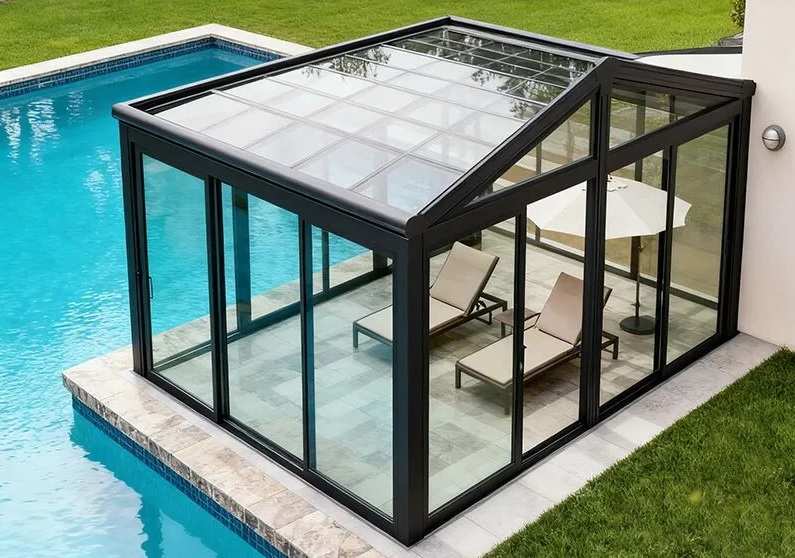
PAVIDA Sunroom of the villa

Functional Integration: Enhancing Year-Round Comfort with PAVIDA Products

A sunroom that cooks you in summer or freezes you in winter isn’t much fun. That’s why we add the pieces that actually keep the temperature pleasant.

Ventilation and Climate Control Features

Electric skylights open with a remote and let the hot air rise right out before it builds up. Crack a few side windows, and you get a nice breeze without losing the cool air from the AC.

Insulated Roofing and Smart Shades

The roof takes the biggest beating from the sun. We use sandwich panels—foam core with metal skins—so light comes in, but the heat stays out. Drop the electric shades on a July afternoon, and the room cools down fast.

Seamless Connection with Bi-Folding Doors

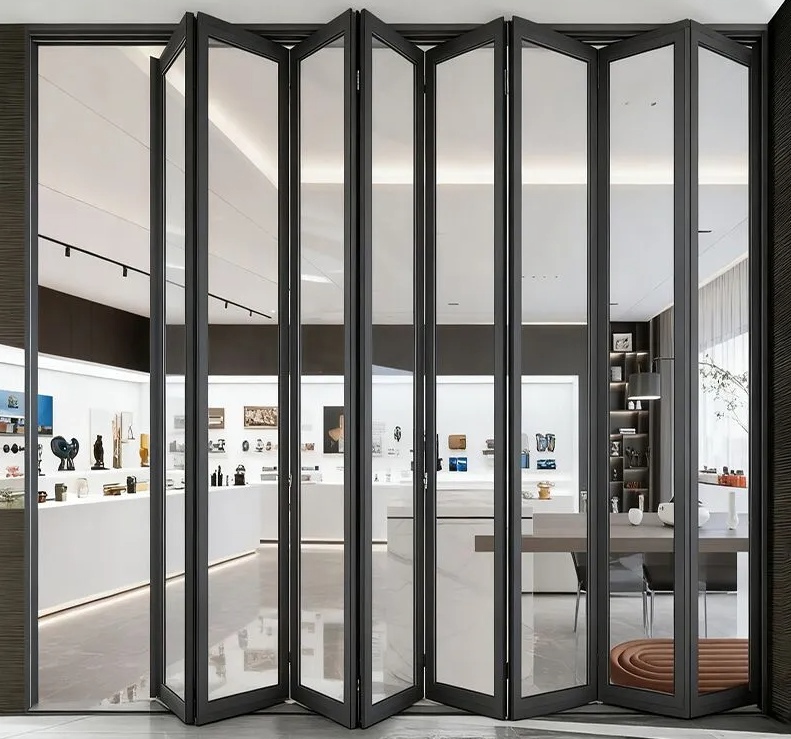
This is the part people love most. The PAVIDA 80 Series Thermal Break Heavy Duty Bi-Folding Door takes panels up to 200 kg each. Open them wide, and the whole wall folds away like an accordion—suddenly, the sunroom and the backyard are one big space for parties. Close them, and the thermal breaks plus insulated glass keep everything cozy again.

For tighter spots, we offer the Aluminum PD Minimalist Mute Ultra-Slim Folding Door. It works great in a small breakfast area that opens to the patio.

Security and Stability with Casement Windows

We mix in the PAVIDA 108 Series Double Thermal Break Aluminum Casement Window around the lower walls. Crank them open for fresh air, lock them, and the multi-point hardware bites the frame in several places. The built-in 304 stainless diamond mesh screen keeps bugs out and makes it a lot harder for anyone to break in.


PAVIDA 80 Series Thermal Break Heavy Duty Bi-Folding Door

Investment and Value: The Long-Term Perspective

Cost-Efficiency

Four-season rooms cost more at the start—sometimes thirty to fifty percent over a basic three-season setup. The difference pays off fast. Customers in cold areas say the heating savings cover the upgrade in five or six years. Folks in hot climates see the same thing on cooling bills.

Aesthetic and Resale Value

A sharp-looking sunroom adds real square footage you can count when you sell the house. PAVIDA rooms come out clean—slim sightlines, colors like matte black or wood-grain that match the rest of the place perfectly. We handle the whole job from the first drawing to the final wipe-down, so it looks like it grew there. Owners tell us it becomes the room everyone fights over, and real-estate agents say it’s the first thing buyers ask about.

Conclusion: Choosing Your Sanctuary

A three-season sunroom is okay if you just want a cheap spot for nice weekends. A PAVIDA four-season sunroom is a real living room with walls of glass—one you can use for morning coffee in January or dinner parties in August without breaking a sweat. With 6063-T5 aluminum, proper thermal breaks, 5+20A+5 insulated glass, and doors like the 80 Series that open the whole side of the house when you want, you get a bright, quiet, comfortable space twelve months a year. Pay a bit more now, enjoy it every single day for decades.

FAQ

Q: What is the main structural difference in insulation?

A: Four-season sunrooms have thermal-break aluminum profiles and double-glazed glass that stop heat from moving through the frame and panes. Three-season ones skip all that.

Q: What type of glass is used to ensure energy efficiency in PAVIDA sunrooms?

A: We fit 5+20A+5 double tempered insulated glass as standard, with Low-E coatings available when you want even better performance.

Q: Can PAVIDA folding doors enhance the sunroom experience during warm seasons?

A: Yes—the 80 Series Heavy Duty Bi-Folding Door opens the entire wall and makes the room feel twice as big on nice days.

Q: Are PAVIDA sunrooms suitable for cold-weather environments?

A: Absolutely. Thermal-break frames, insulated glass, and tight seals keep them comfortable even in deep winter. Plenty of owners add floor heating for extra coziness.

25th December 2025
Home
WhatsApp
Email
       
Contacts