





The 7 Essential Steps in PAVIDA Window Manufacturing You Should Know
Windows do far more than let light into a building. They control temperature, bring in fresh air, and keep the interior secure. Homeowners as well as developers pay close attention to how well these elements perform. At PAVIDA, the entire journey from raw aluminum to finished window has been refined over more than ten years.
Founded in 2013 in Foshan, China, PAVIDA combines solid traditional methods with advanced German engineering systems. The following seven steps show how the company turns ideas into reliable, high-quality products.
Step 1: Personalized Consultation and Signature Design
The work starts long before any machine runs. PAVIDA begins with detailed discussions at the design stage. Every window receives careful attention so it fits the client’s exact style and purpose.
Translating Vision into Precision Engineering
Our team sits down with customers to go over their plans. Whether the project involves a small bedroom in a family home or large openings in a luxury residence, we review architectural drawings together. Experienced staff offer practical guidance on suitable materials and correct dimensions. This early collaboration helps the finished product match the original requirements closely.
Bespoke Solutions for Global Climates
Designs change depending on local weather patterns. Projects in the Philippines receive special focus on good natural light and strong airflow. In contrast, work carried out in Washington, D.C. often emphasizes clean, modern lines and clear views. These adjustments keep performance high, no matter the location.
Step 2: Premium Material Sourcing and Technical Selection
A window holds up only as long as the materials put into it. The frame sets the base, so thoughtful decisions right from the beginning make a real difference.
The Strength of 6063-T5 Aluminum Alloy
PAVIDA relies solely on 6063-T5 aluminum alloy. This grade brings solid hardness, stands strong against rust, and holds its shape without bending or warping. Wood and plastic often swell, shrink, or twist when the weather turns hot or damp. Aluminum, by contrast, remains steady and true for many years of service.
Thermal Break Excellence with PA66 Strips
Aluminum carries heat quickly, which is why we insert imported high-strength PA66 thermal insulation strips. These strips interrupt the direct metal path through the frame. As a result, heat flow drops sharply. That cut in transfer eases the burden on heating and cooling equipment all year round.
Step 3: Precision CNC Machining and Fabrication
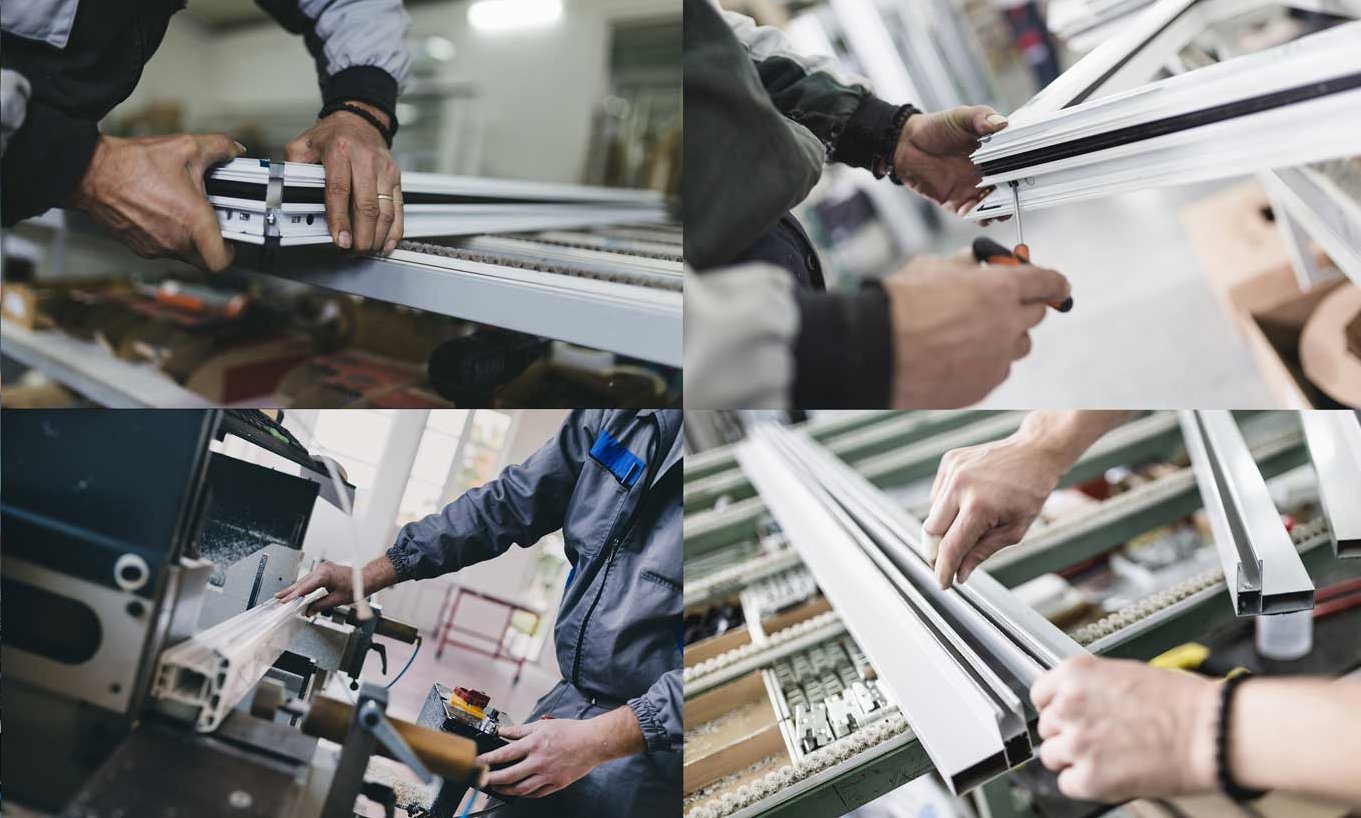
Raw aluminum sections turn into finished frames through careful cutting and forming.
Innovative Technology for Exact Specifications
Our 4,000-square-meter workshop houses up-to-date CNC equipment that manages every step. Cuts, drilled holes, and milled grooves stay within 0.5 mm of the target size. Such close accuracy stops gaps or uneven fits from showing up during assembly.
Milling and Drilling with Millimeter Accuracy
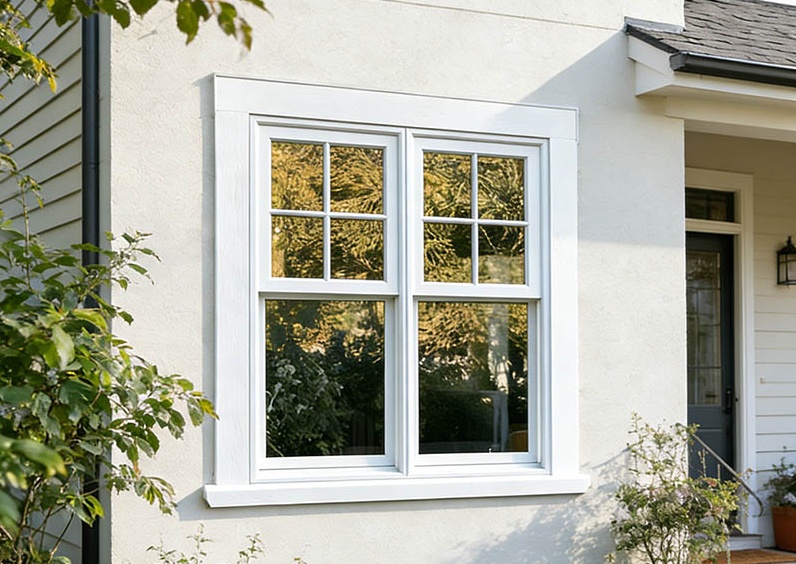
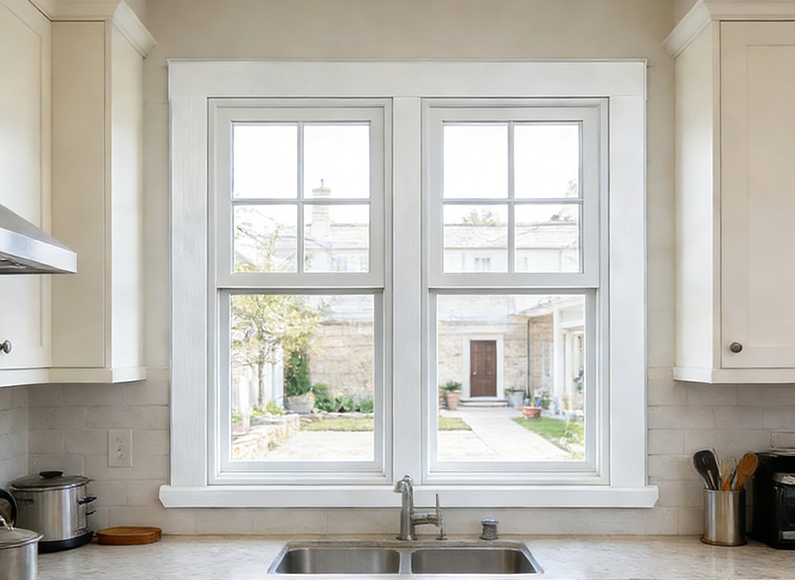
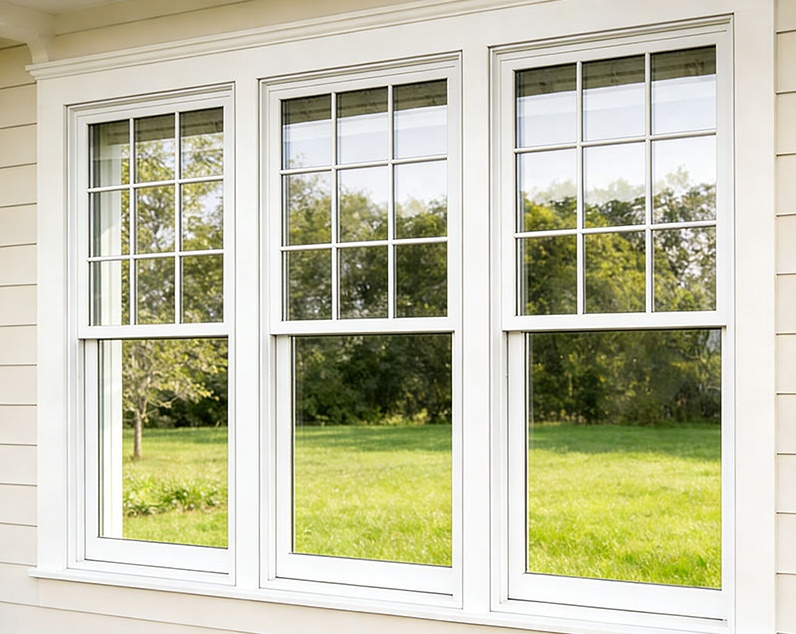
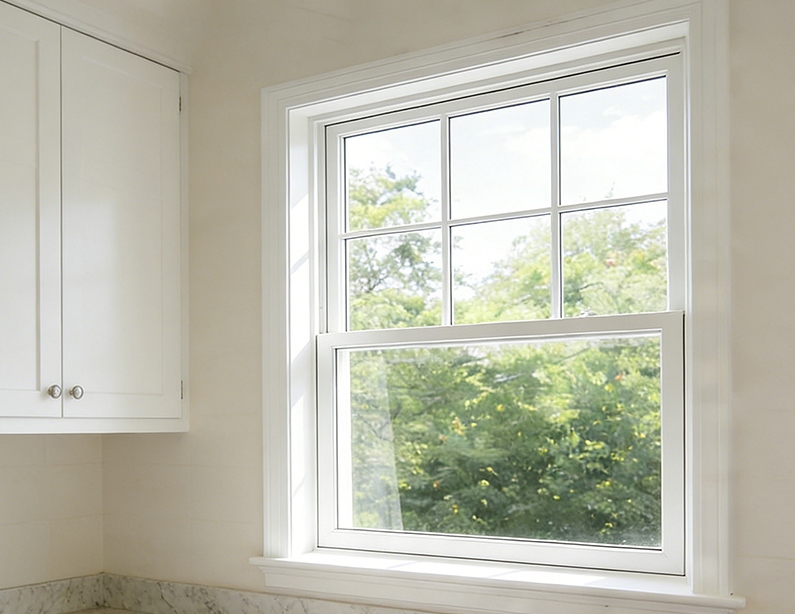
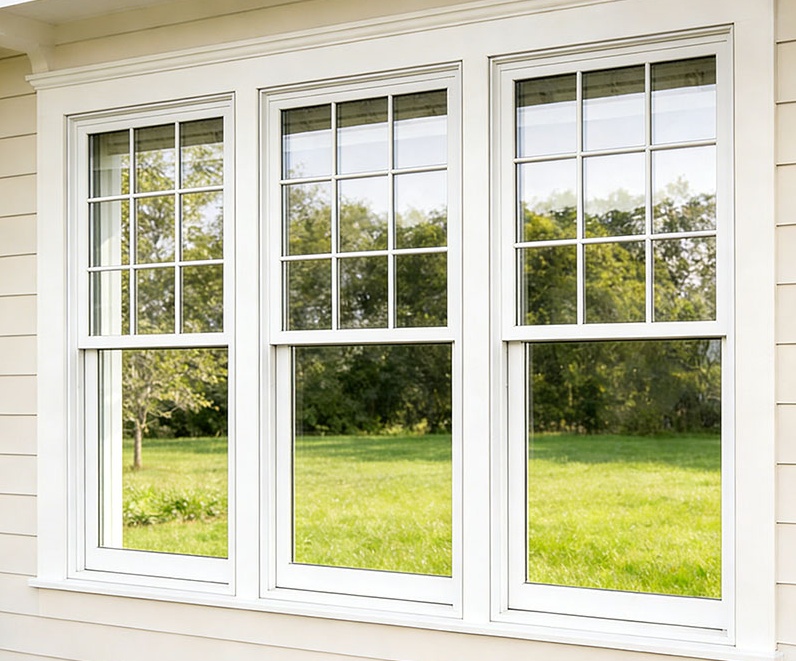
This work sets the stage for key products like the Thermal Break American Style Aluminum Double Hung Windows. Precise tracks let both sashes slide up and down without catching. Cheaper versions sometimes jam or drag, yet tight machining takes care of those issues before they start.
Step 4: Advanced Surface Treatment and Aesthetic Finishing
The outer layer has to last just as long as the frame beneath it.
Weather-Resistant Coatings for Longevity
We use powder coating and fluorocarbon finishes that follow established international standards. These coatings shield the surface from harsh sun, acid rain, and salt-laden coastal winds. Colors hold their depth for years with very little upkeep required.
A Palette of Modern Finishes
Clients pick from a wide range of colors—matte black, champagne gold, and lifelike wood-grain finishes among them. The wood-grain choices give a natural timber appearance while delivering the durability and easy care that aluminum provides.
Step 5: High-Performance Assembly and Hardware Integration
Assembly combines technology with skilled hands.
German Engineering Meets Expert Craftsmanship
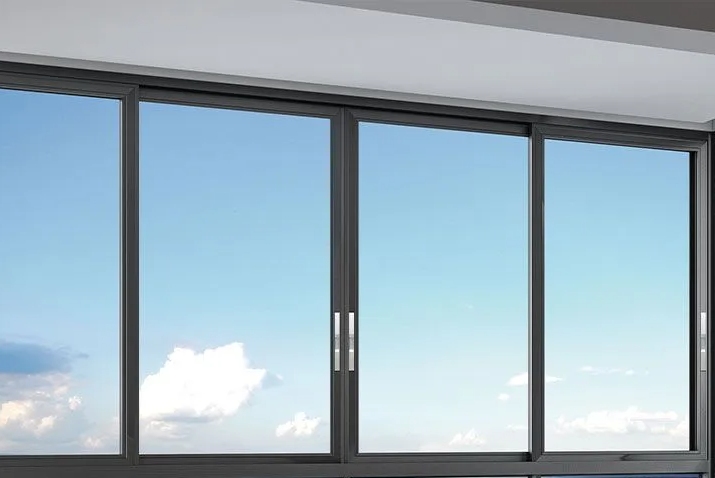
PAVIDA partners with well-known global brands such as German HOPPE, SIEGENIA AUBI, and ROTO. These components give even large, heavy units—like the 50 Series Heavy Duty Sliding Doors—quiet, smooth operation over thousands of cycles.
Thermal Break Series: Case Study of Assembly Perfection
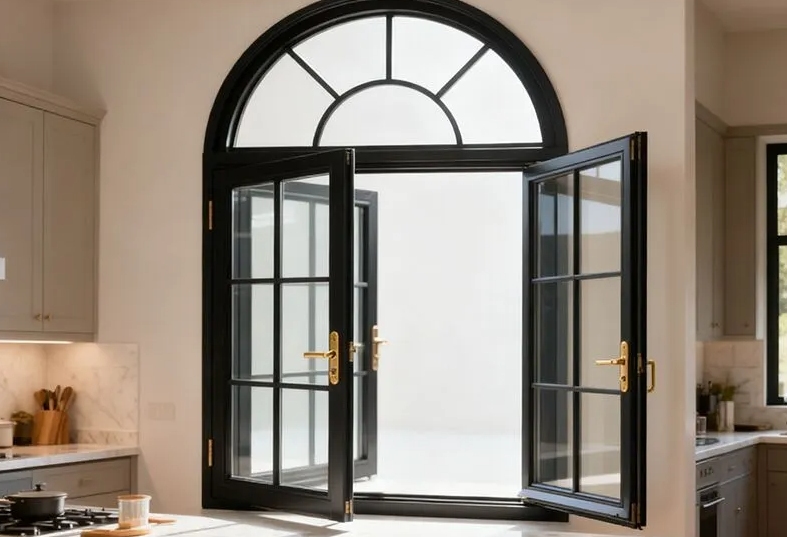
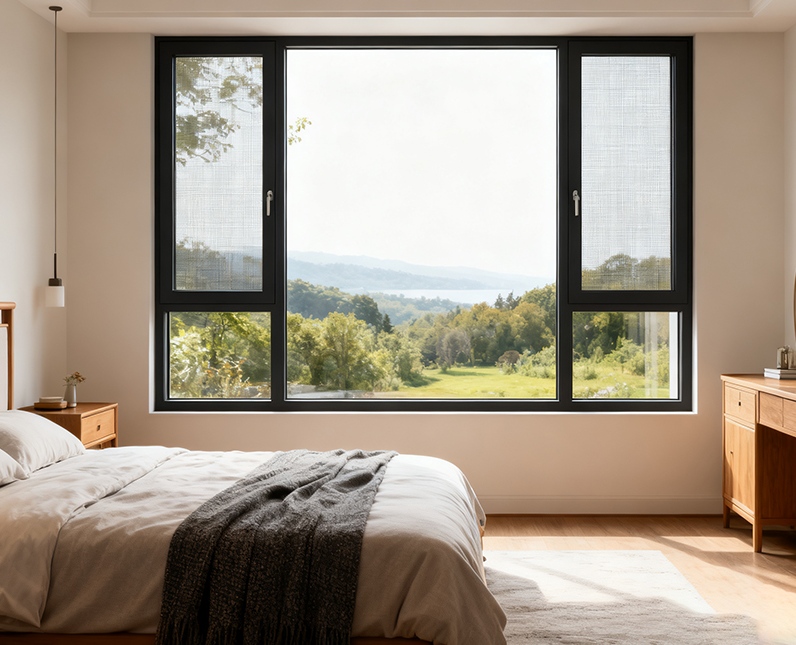
Consider the 108 Series Thermal Break Casement Window. During assembly, we fit 304 stainless steel diamond mesh screens and EPDM gaskets that create multiple sealing lines. The result is a clean, flush interior appearance along with strong resistance to water and good overall security.
Step 6: Rigorous Multi-Point Quality Testing
No window ships until it passes strict checks.
The “Three-Property” Performance Standard
Every unit undergoes testing for air tightness, water tightness, and wind pressure resistance. Results meet or surpass national and industry standards, which provides confidence in tall buildings or windy regions.
Safety and Soundproofing Verification
We test double-layer insulated tempered glass, usually in a 5+20A+5 arrangement. When filled with argon gas, this setup reduces outside noise by 30 to 35 decibels. Traffic sounds from busy streets become far less noticeable indoors.
Step 7: Professional Packaging and Global Logistics
The last stage makes sure products arrive in perfect shape.
Ensuring Integrity from Factory to Site
We pack each window with custom foam corner protectors and sturdy wooden crates. These measures prevent scratches or dents during shipping. Our logistics team follows the agreed timeline closely.
A Trusted Global Supply Chain
PAVIDA maintains steady relationships with customers in more than 30 countries, among them the USA, Australia, Italy, and the Philippines. Over two million clients worldwide have come to rely on our consistent quality.
Conclusion: The PAVIDA Promise of Excellence
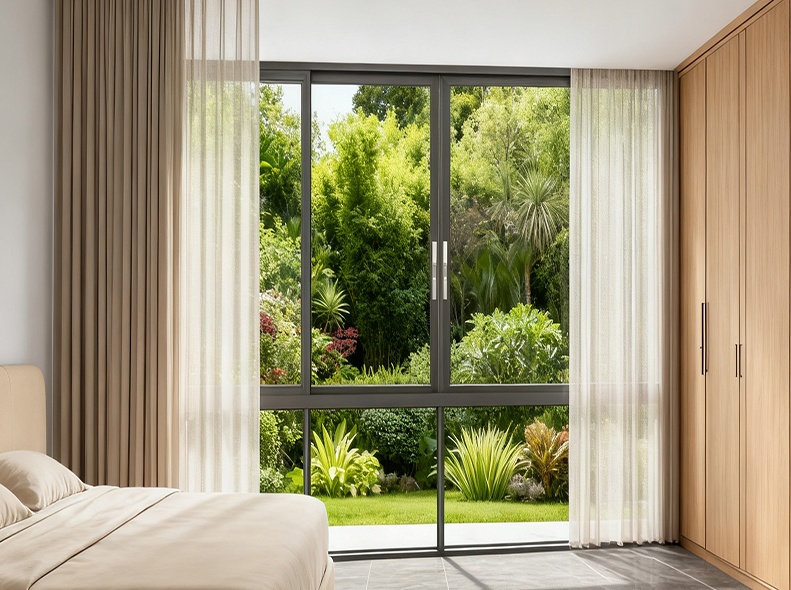
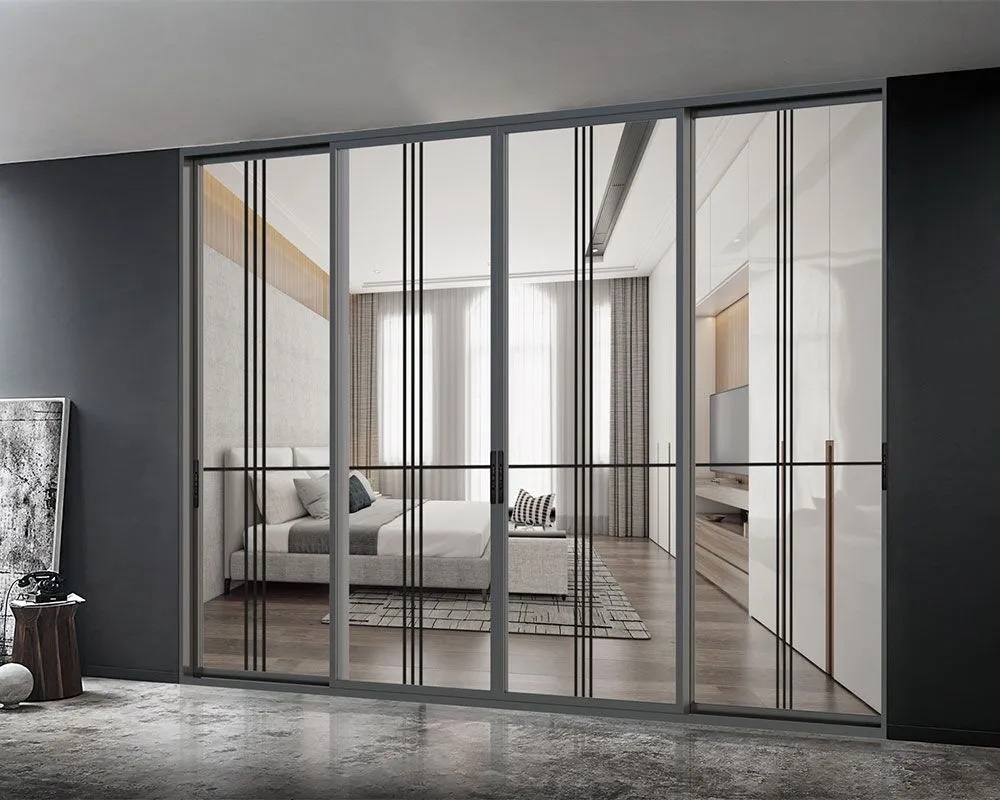
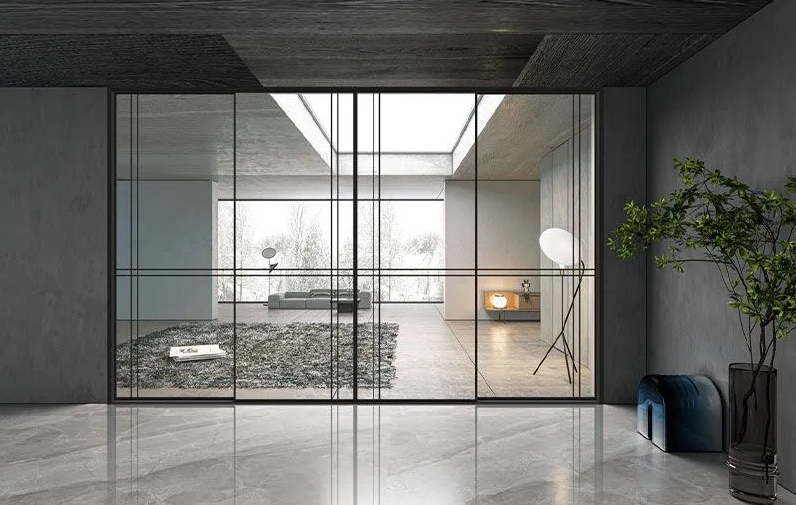
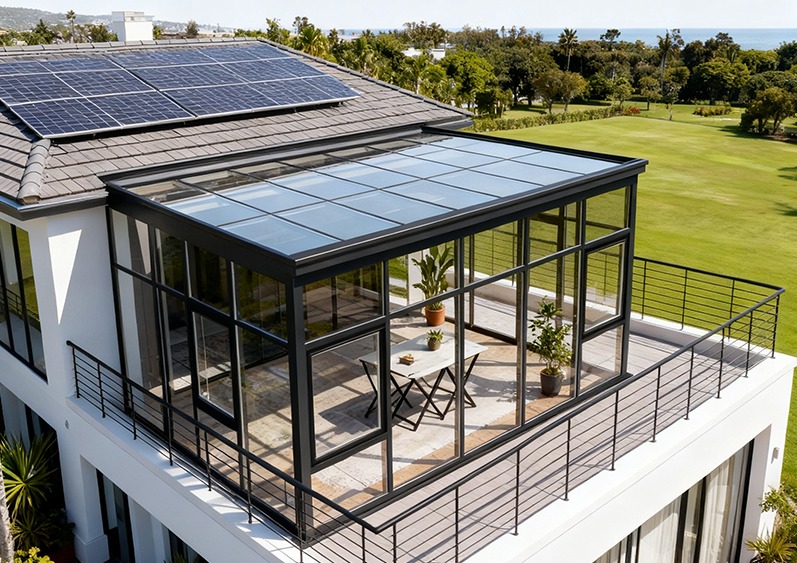
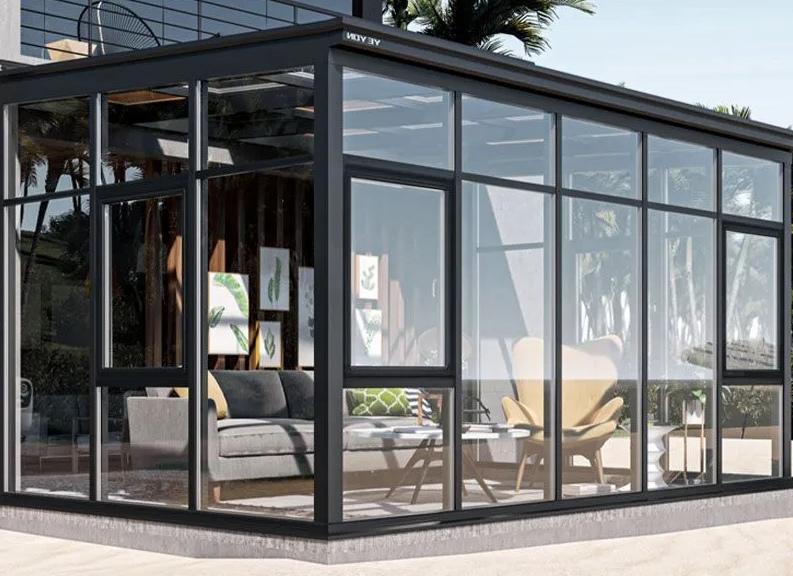
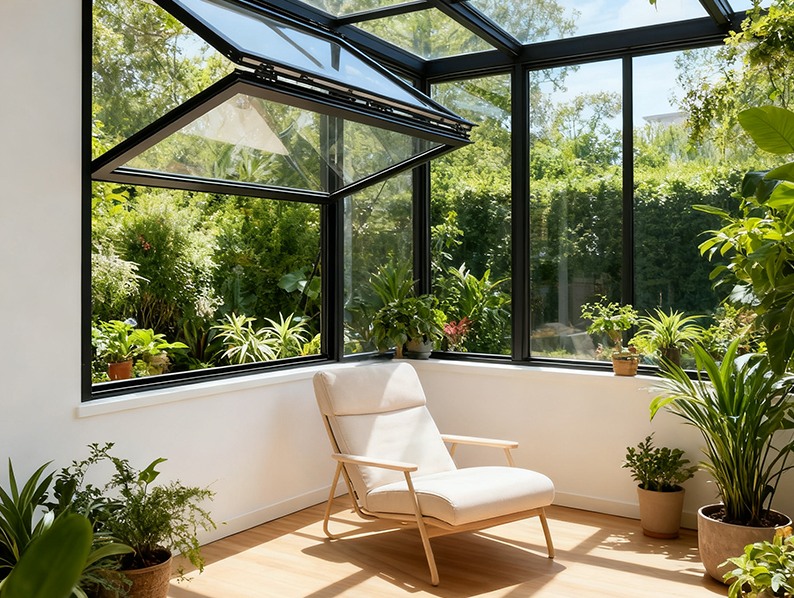
Selecting PAVIDA means choosing a process built on careful detail, steady improvement, and proven strength. From the first choice of 6063-T5 aluminum to the final test results, every stage aims to improve comfort, light, and protection in your space. Whether the project calls for Aluminum Sunrooms that enlarge outdoor areas or Slim Design Sliding Doors that open up wide views, PAVIDA delivers a complete service from initial drawings to finished installation.
FAQ
Q: Can I customize the size and color of my PAVIDA windows?
A: Yes, fully. We adjust dimensions, glass types, and profile colors—including matte black or wood grain—to suit your building’s requirements.
Q: Are aluminum windows effective at blocking outside noise?
A: They perform well. Multi-cavity frames combined with double-layer insulated glass (typically 5+20A+5) cut down outside sound considerably for a calmer interior.
Q: How secure are the locking systems on PAVIDA windows?
A: Very secure. High-quality multi-point locks and impact-resistant tempered glass work together to guard against break-ins.
Q: What makes PAVIDA’s manufacturing “German-style”?
A: We blend local design preferences with German-engineered systems and hardware from trusted names like HOPPE and SIEGENIA, resulting in strong, dependable performance.
30th January 2026