



Brighten Your Kitchen with Stylish and Functional Awning Windows
05
February
The Modern Kitchen: A Harmony of Light and Air
In today’s home layouts, the kitchen has grown from a simple workspace into the main gathering place for families. People who own homes want rooms that feel wide open, full of daylight, and tied closely to the outside world. Yet getting this right takes more than fancy stoves or smooth counters. It calls for careful choices in windows and doors. PAVIDA works as a full manufacturer and seller of high-grade aluminum glass doors and windows. The company knows that a good window can change how cooking and eating feel each day. Started in 2013, PAVIDA has put more than ten years into mixing old-fashioned strength with ideas from German designs. The result is products that last long and look sharp.
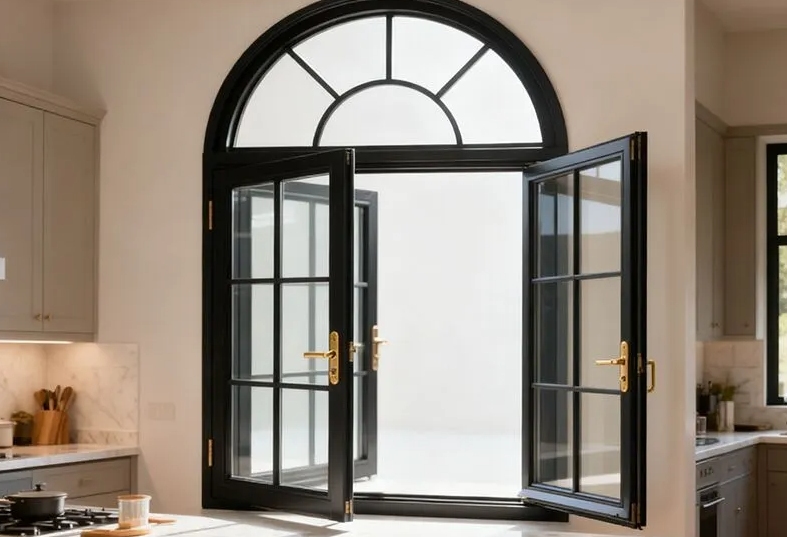
Few choices beat awning windows when it comes to fitting modern kitchens. They hinge at the top and use strong materials. PAVIDA awning windows give homeowners a way to keep both good looks and daily use without giving up either one.
Why Awning Windows are the Perfect Choice for Kitchen Designs
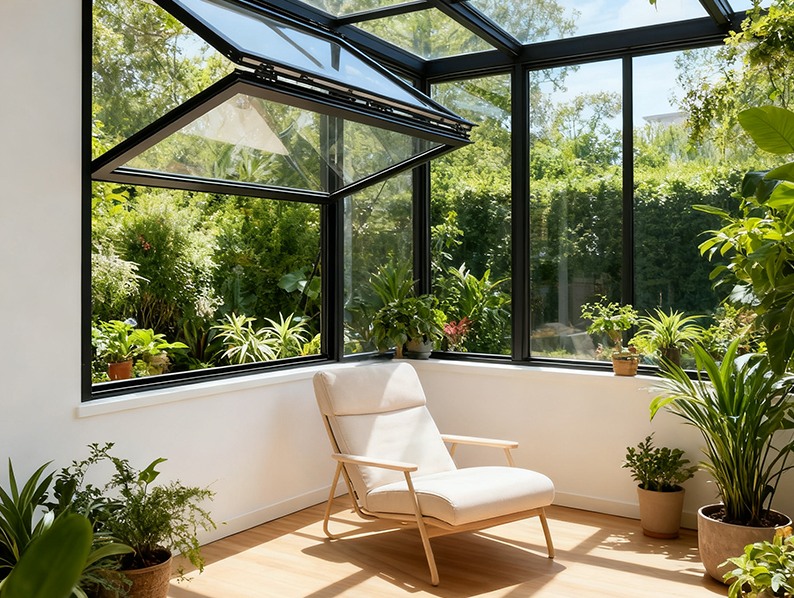
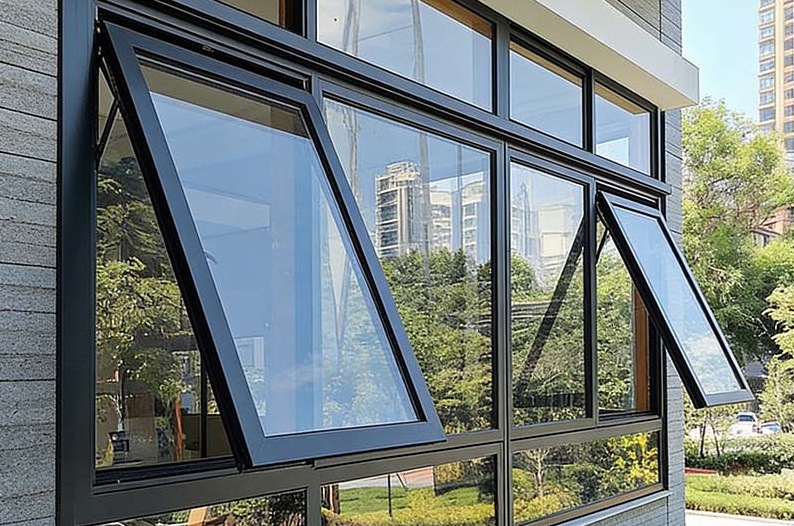
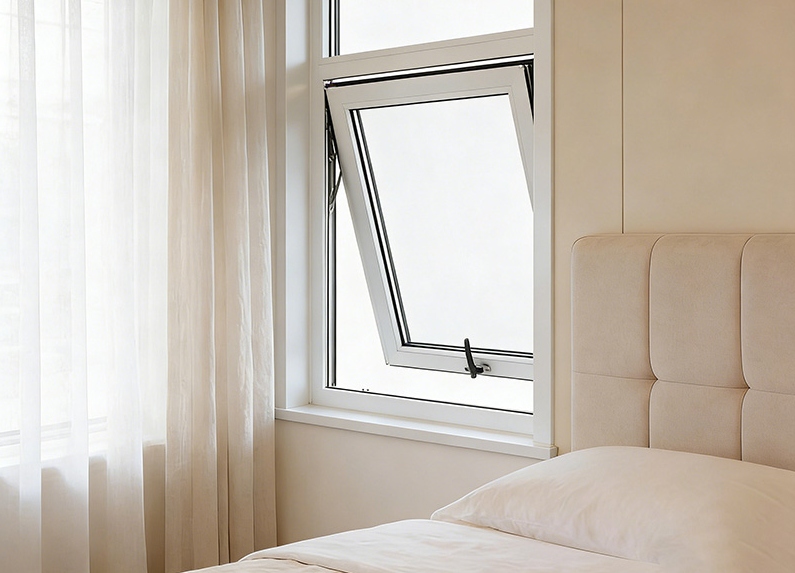
Awning windows stand out because of how they open. They attach at the top and swing out from the bottom. This movement fits the needs and setup of active kitchens especially well.
Seamless Functionality Over the Kitchen Sink
Many kitchens place a window right above the sink. This spot can cause problems with common sliding or side-hinged windows. Reaching over a wet counter to push a sash or turn a handle often feels awkward. PAVIDA awning windows fix this issue. They have light but tough aluminum frames and reliable parts from German brands like HOPPE and SIEGENIA. The sash tilts out with little effort. A quick twist of the handle brings in fresh air, even in tight or high places.
All-Weather Ventilation: The Rainproof Advantage
Cooking creates lots of steam, damp air, and food smells. Kitchens need steady air flow to stay fresh and dry. The main strength of awning windows lies in their rainproof venting. When the sash opens, it forms a small overhang. Homeowners can crack the window for a breeze during light rain. Water stays outside, away from counters and floors. This keeps the room comfortable for meals and prep work, no matter the conditions outdoors.
The PAVIDA Standard: Engineering Excellence in Every Detail
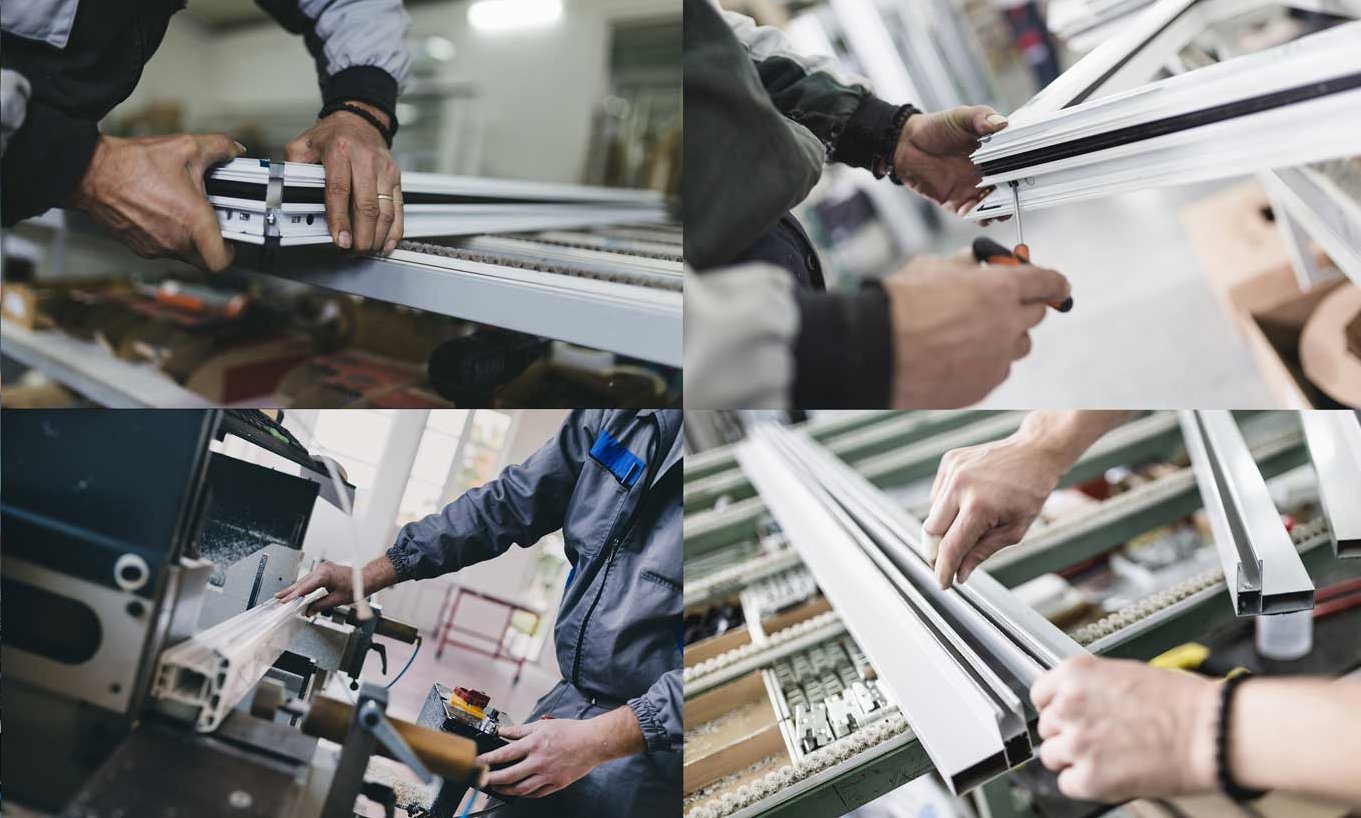
At PAVIDA, windows represent a lasting addition to any home. The company runs a 4,000-square-meter factory with strict checks at every step. Each piece meets worldwide rules for quality and safety.
Premium Materials: 6063-T5 Aluminum and Durable Coatings
PAVIDA Double Glazed Design Aluminum Awning Windows starts with strong 6063-T5 aluminum alloy. Wood frames often rot or change size in steamy kitchens. uPVC can crack after years in bright sunlight. Aluminum fights rust on its own and stays free of corrosion. For long color life, the company adds fluorocarbon or powder coatings. These hold up against salty coastal air and harsh rays. Frames keep their shade and shine for many years. Most owners find that a damp cloth wipe now and then does the job.
Thermal Break Technology and Energy Efficiency
Big glass sections in kitchens can let in too much heat or cold. PAVIDA adds thermal break methods to fight this. Wide PA66 nylon strips go inside the aluminum sections and stop heat from moving through. The usual setup pairs this with 5+20A+5 double-layer insulated tempered glass filled with argon gas. Together, they hold indoor warmth in winter and block summer heat. Comfort improves inside, and power use for air systems drops over the months.
Precision Hardware and Multi-Channel Sealing
Seals decide how well a window works against the weather. PAVIDA Double Glazed Design Aluminum Awning Windows use multi-channel EPDM gaskets for top water and wind resistance. Closing the window pulls the sash firm against these seals with multi-point locks. The tight fit keeps out heavy rain and strong gusts. This same pressure cuts outside noise a great deal. City traffic or neighbor sounds fade, leaving the kitchen quiet and calm.
Aesthetic Customization to Match Your Signature Style
Every house has its own feel. PAVIDA focuses on made-to-order work because of this. Staff members guide customers from early sketches through final setup. Windows end up matching personal tastes down to the small points.
Slim Frames and Panoramic Views
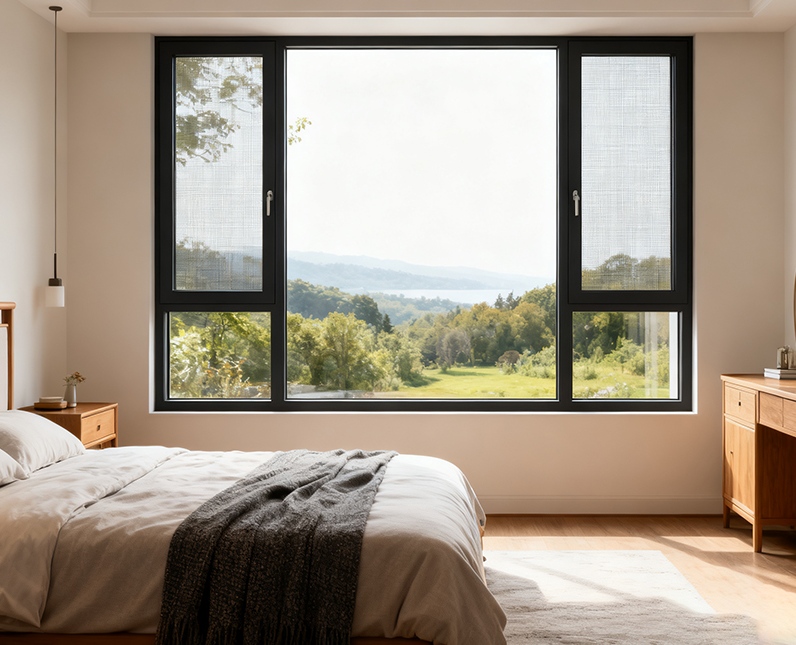
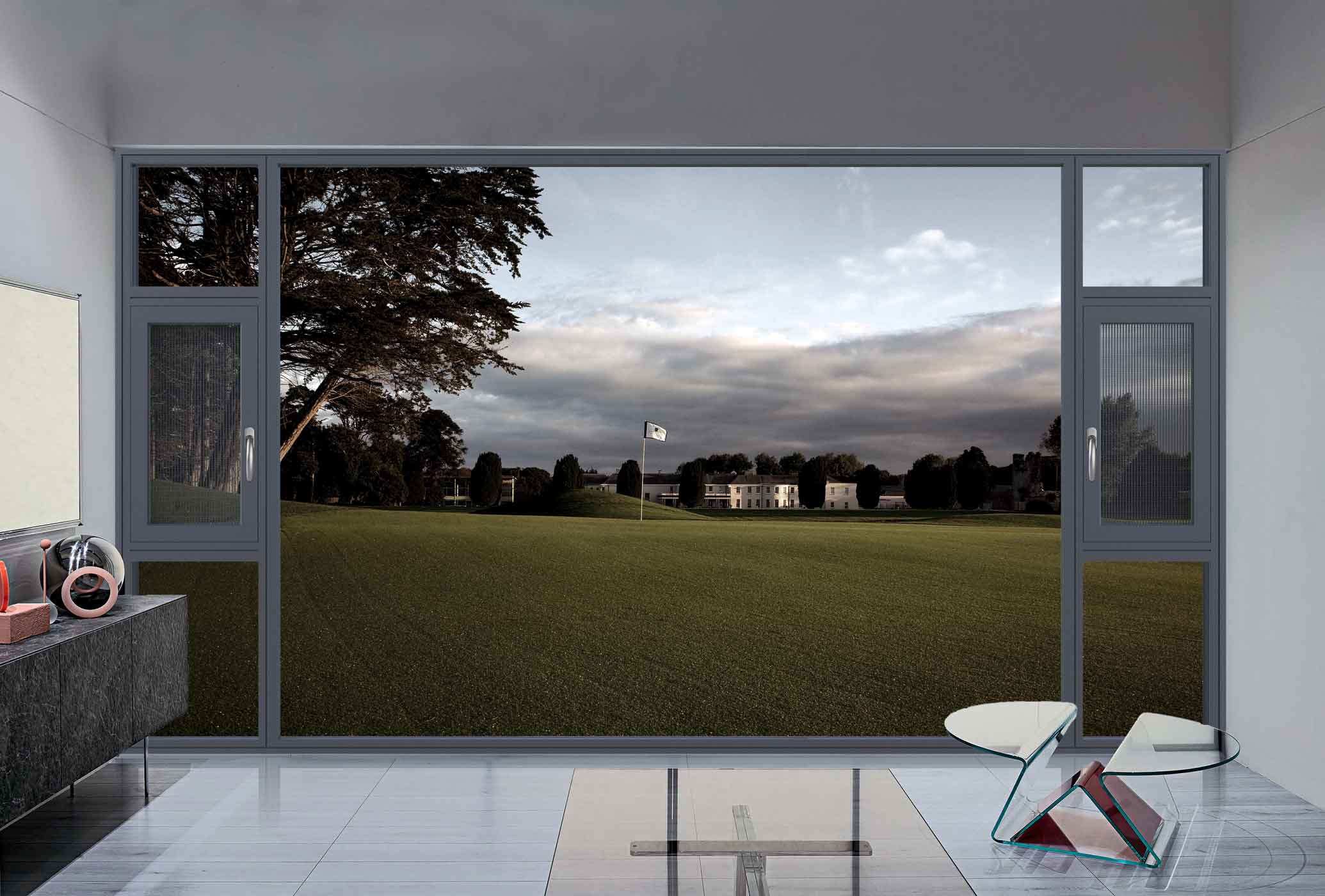
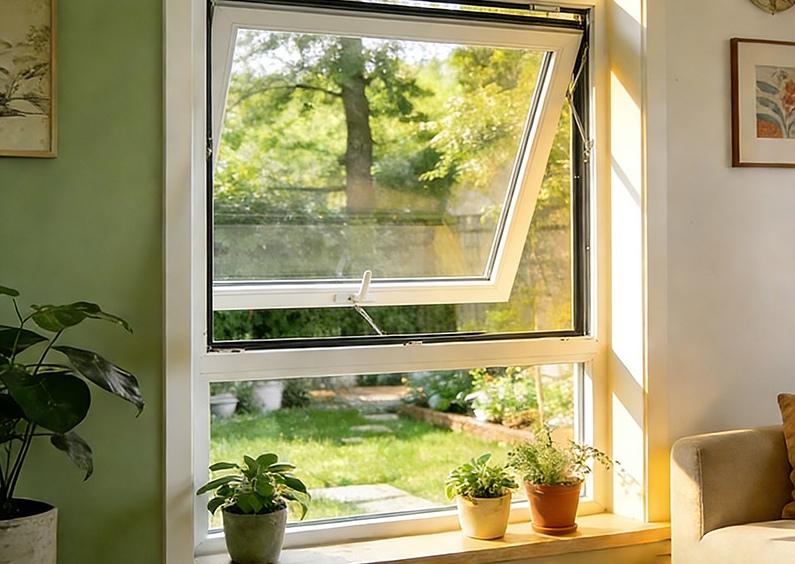
Current styles lean toward clean and simple lines. PAVIDA awning windows come with narrow frames that leave more room for glass. Daylight floods the kitchen and makes small areas seem bigger and warmer. Views of backyards, trees, or tall buildings gain a clear frame that looks almost like artwork.
Versatile Finishes and Glass Options
To fit kitchen colors and cabinets, PAVIDA stocks many surface choices. Popular picks include matte black, champagne gold, and several wood-grain looks. Glass types vary as well. Clear glass brings in the most light and sight. Frosted types add privacy near busy streets. Low-E coatings help control sun glare on hot days. For practical needs, windows can include built-in 304 stainless steel diamond mesh screens. These block bugs yet let air pass and add another layer of home safety.
Conclusion: Transform Your Kitchen with PAVIDA
Window picks matter a lot in kitchen updates or new homes. Going with PAVIDA Double Glazed Design Aluminum Awning Windows means choosing items that mix fine design with heavy-duty build. The use of top 6063-T5 aluminum, smart thermal break sections, and accurate German hardware brings bright light, good air flow, and lower energy costs for many years ahead.
PAVIDA stands ready to turn kitchen plans into reality. The company’s skilled staff offers helpful guidance and tailored answers to meet building goals with care.
FAQ
Q: What is the primary benefit of the top-hinged design in a kitchen?
A: It allows for fresh air circulation even during rain, as the outward-opening sash acts as a protective shield against water entering the room.
Q: Does the aluminum frame require a lot of maintenance?
A: No, the high-quality 6063-T5 aluminum and powder coatings are corrosion-resistant; they only require occasional wiping with a damp cloth.
Q: Can these windows help reduce my energy bills?
A: Yes, our thermal break technology and 5+20A+5 double-glazed glass significantly reduce heat exchange, lowering the energy needed for climate control.
Q: Are PAVIDA windows secure against intruders?
A: Absolutely. We use heavy-duty multi-point locking systems and high-strength tempered glass to provide reliable anti-theft protection.