







29th May 2026
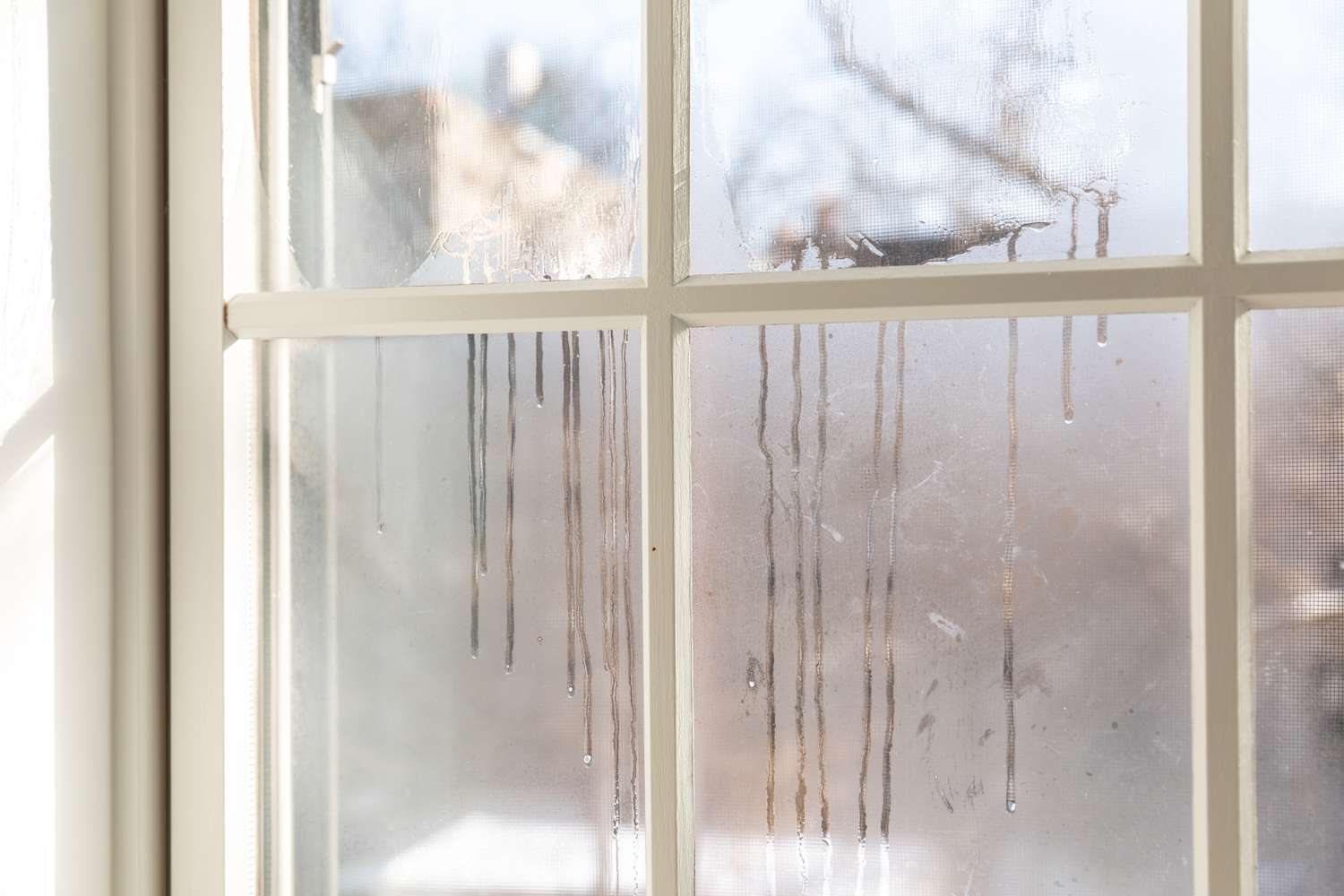
Every year when the weather turns colder, many homeowners notice the same issue in the morning. Windows appear covered with fog, and water droplets collect on the sills below. This problem goes beyond a blurry view. It points to poor temperature control that can slowly affect the condition of the home. Many people treat wet windows as something that just happens each season. In reality, the frames allow too much temperature difference between the warm inside and the cold outside.
PAVIDA serves as an integrated manufacturer focused on high-performance aluminum windows, doors, and sunrooms. The company has developed a lasting fix for this common issue. By rethinking the basic structure of window frames, PAVIDA applies advanced multi-cavity profiles that break the pattern of condensation.
The Hidden Cost of Seasonal Window Condensation
Warm indoor air meets a very cold glass surface, and moisture quickly forms into visible water. This process creates risks for the building itself over time.
Why Standard Aluminum Profiles Fail
- High Thermal Conductivity: Ordinary single-layer aluminum frames conduct cold quickly. They cool the inside surface of the frame right away.
- Rapid Dew Point Convergence: Once the frame surface falls below the room’s dew point, condensation appears immediately.
- Lack of Internal Barriers: Without air pockets inside, these frames let external cold move straight into the living areas.
The Damages Beyond Just a Blurry View
- Wall and Drywall Rot: Water runs down from the foggy glass and works its way into nearby walls. This can lift paint and damage wood parts underneath.
- Mold and Health Hazards: Ongoing dampness encourages black mold growth, which affects the air inside the house.
- Elevated Energy Bills: Fog on windows shows that heat escapes easily. Heating systems then run longer to maintain comfortable temperatures.
Engineering the Shield: PAVIDA Multi-Cavity Technology
Stopping window fog needs a strong way to separate the big differences in temperature. PAVIDA systems achieve this through careful design.
How Multi-Cavity Profiles Isolate Temperatures
- Internal Multi-Chamber Architecture: PAVIDA frames contain complex internal webs that split the aluminum into several separate air chambers.
- Stagnant Air Insulation: These closed spaces hold still air that works as a natural barrier. The air slows down the movement of cold from outside.
- Elevated Internal Surface Temperature: Because cold paths are blocked, the inside part of the frame stays warmer and stays well above the dew point.
The Power of PA66 Nylon Thermal Barriers & Double Glazing
- Premium PA66 Thermal Strips: Thicker PA66 nylon strips cut the connection between the outer and inner aluminum sections. This breaks the main path for heat loss.
- Double-Glazed Insulated Glass: These frames work together with two layers of tempered glass filled with special gases. The combination reduces cold across the full window area.
- Multi-Layer EPDM Gaskets: Strong rubber seals sit around the moving parts. They stop unwanted air leaks and keep water out even during windy conditions.
Where PAVIDA Defeats Moisture
Different parts of a building deal with humidity in their own ways. A single type of window rarely solves every situation.
Kitchens and Bathrooms: PAVIDA Awning & Casement Windows
Steam from cooking, hot showers, and boiling kettles fills these rooms with moisture that settles fast on cold surfaces.
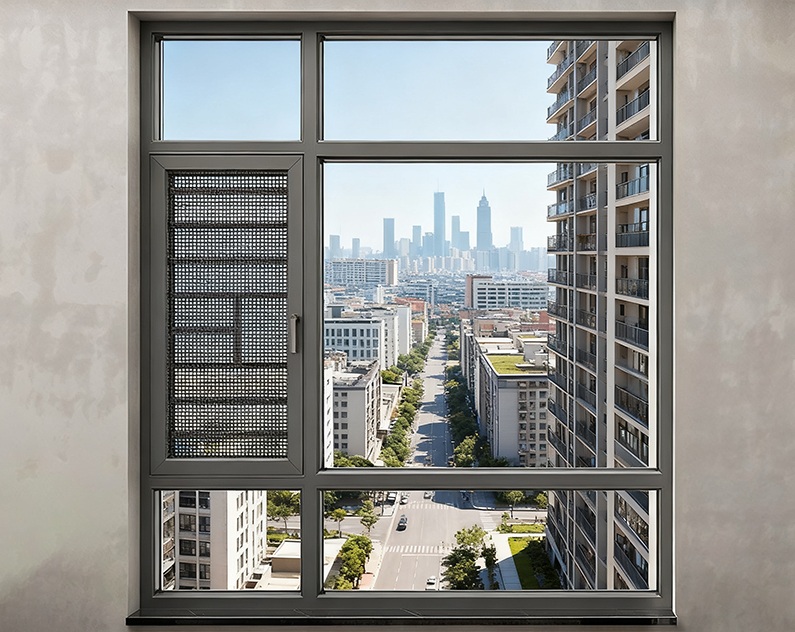
- The Solution: Fit PAVIDA 128 Series Double Thermal Break Casement Windowsor top-hinged Awning Windows.
- The Result: The sturdy multi-cavity profiles keep the inside surfaces warmer even with high room humidity. The top-hinged style also lets in fresh air during rain without letting water inside.
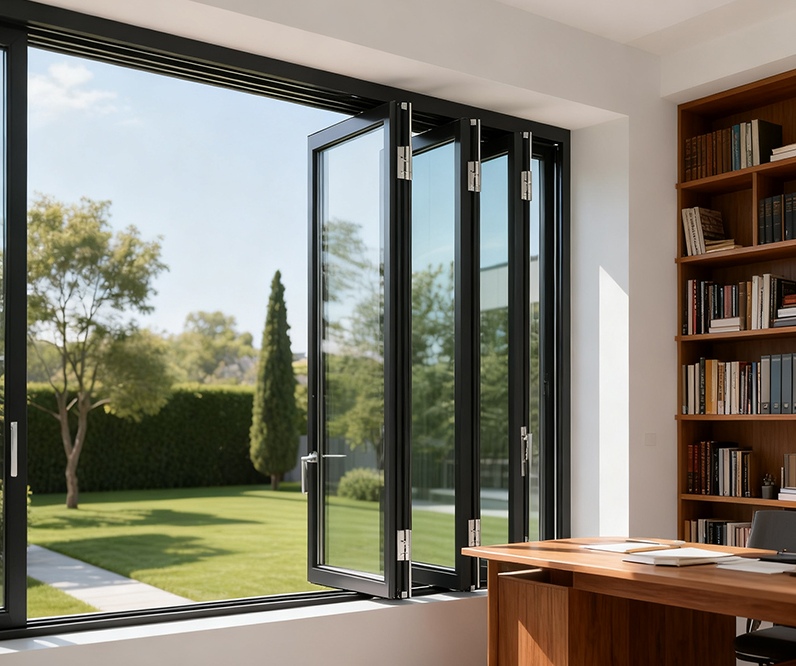
High-End Living Rooms and Balconies: PAVIDA Narrow-Frame Sliding Doors
Wide glass doors on balconies become large, cold areas that create drafts and leave water on living room floors.
- The Solution: Use PAVIDA Minimalist Slim Design Sliding Doorswith double-layer insulated glass and extra multi-cavity support in the frames.
- The Result: Rooms enjoy wide, clear views without fog on the glass, and floors stay dry and comfortable.
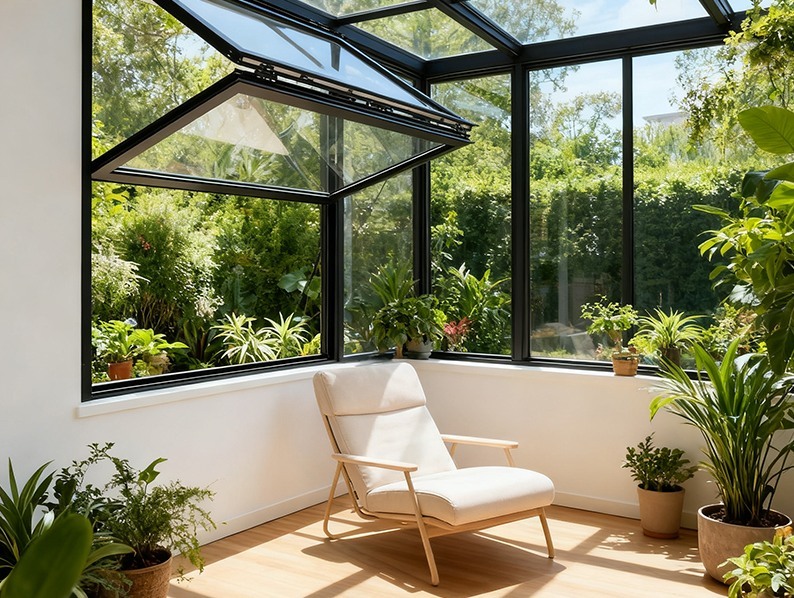
All-Glass Extensions: Energy-Efficient PAVIDA Sunrooms
Older sunrooms often feel too humid in warmer months and develop dripping condensation when the weather cools.
- The Solution: Build with PAVIDA Customizable Aluminum Glass Sunrooms that include thermal-break roof beams and multi-cavity profiles around the edges.
- The Result: The added space maintains steadier temperatures year-round. It works well as an office or sitting area without moisture collecting on ceilings or walls.
Beyond Manufacturing: PAVIDA Full-Service Customization
Good hardware needs accurate fitting and proper support so it performs reliably for many years.
Tailored Technical Blueprints for Global Climates
- Custom Profile Matching: Engineers review local weather patterns and wind requirements. They then suggest the right profile depth and chamber layout for the job.
- Hardware Integration: Production includes well-known components such as German HOPPE and ROTO systems. These provide secure, multi-point locking and tight seals.
Precision Packaging and Reliable Commissioning Support
- Multi-Layer Protective Packaging: Products receive careful wrapping and crating to avoid damage or warping during long-distance shipping.
- End-to-End Technical Guidance: Support starts with design input and continues through installation advice and final checks. This helps every unit fit correctly and seal properly.
Conclusion
Foggy windows signal that a property loses heat and builds up moisture-related problems. Switching to PAVIDA multi-cavity thermal-break aluminum windows, doors, and sunrooms helps protect indoor spaces. It also reduces energy use across seasons and keeps views clear throughout the year.
Ready to solve condensation issues in your next project? Reach out to the PAVIDA for practical advice, detailed plans, or a custom quote.
- WhatsApp: +86 18125772267
- Email: pavidaco@gmail.com
FAQ
Q: Why does window condensation occur inside the double-glazing panel rather than just on the exterior surface?
A: Condensation between the panes often points to failed edge seals. The insulating gas leaks out while moist air from outside moves in. The full glass unit then needs replacement.
Q: Does upgrading to aluminum frames increase condensation risks compared to uPVC frames?
A: Basic aluminum lets cold pass through more quickly. Yet modern thermal-break designs that use multi-cavity profiles and PA66 strips match or exceed uPVC performance. They also provide greater structural strength.
Q: Can specific indoor ventilation habits help minimize condensation on windows?
A: Yes. Exhaust fans in kitchens and bathrooms, a dehumidifier when humidity rises, and brief window opening for cross-ventilation all lower indoor moisture. These habits keep glass surfaces drier.
Q: How do multi-cavity window profiles impact a building’s overall energy efficiency rating?
A: They lower the window’s U-factor. Less heat escapes in winter and less cold air enters, so HVAC energy use often drops by up to 30 percent.


Leave a reply