







21st May 2026
Choosing windows for a residential or commercial project is often seen as a final “aesthetic” touch. However, seasoned architects and developers know that windows are actually high-performance components that dictate the building’s energy efficiency, security, and long-term livability. A mistake made at the procurement stage can lead to “window sweat,” skyrocketing electricity bills, or even structural failure under high wind pressure.
At PAVIDA, we have spent over 12 years perfecting aluminum systems that blend German engineering with tailored manufacturing. To help you navigate your next project, we have compiled the seven most common—and expensive—mistakes to avoid.
Ignoring Thermal Break Technology
Many buyers opt for standard aluminum frames because of their durability, but forget that aluminum is a natural conductor of heat. Without a “break,” heat escapes in winter and enters in summer.
The Cost of a “Cold Bridge”
Standard aluminum often leads to condensation buildup, which can damage interior paint and promote mold.
- The PAVIDA Solution: We utilize Thermal Break Aluminum Profiles equipped with PA66 nylon insulation strips.
- Why it Matters: In a luxury villa or a modern office, this technology “breaks” the heat path. Combined with argon-filled double glazing, our Series 108 Casement Windowscan significantly reduce HVAC energy consumption, turning your windows into an investment that pays for itself.
Choosing the Wrong Opening Mechanism for the Space
A common error is installing sliding windows in areas that require maximum ventilation, or casement windows where space is tight.
Matching Function to Scenery
- The Error: Using a sliding window in a high-noise urban bedroom. Sliding windows, while space-saving, generally have lower sealing performance than casement types.
- The Scenario: For a high-rise apartment, we recommend the Aluminum Thermal Break French Soundproof Casement Window. Its multi-point locking system and compression seals provide superior airtightness.
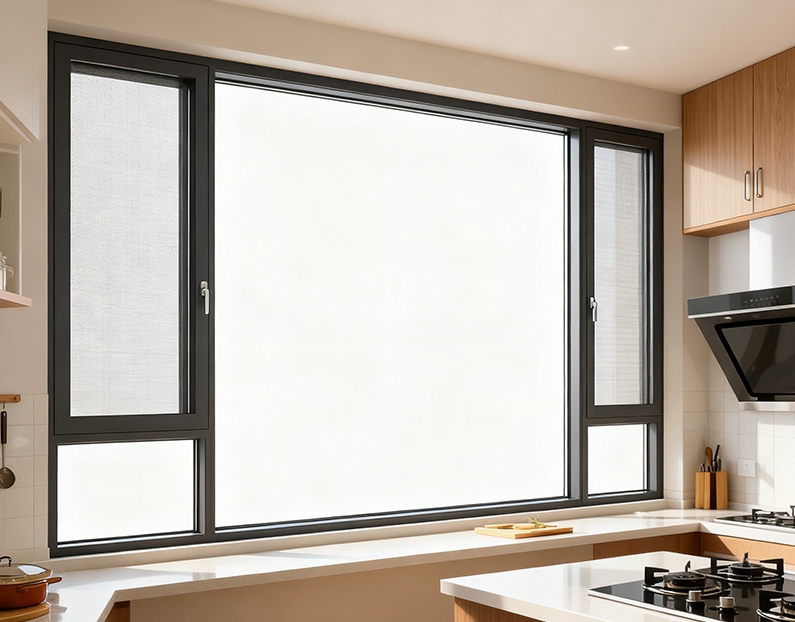
- Space-Saving Alternative: If you are working on a kitchen or bathroom with limited clearance, our PAVIDA Awning Windows (top-hinged) allow for ventilation even during light rain, keeping the interior dry without occupying floor space.
Overlooking Soundproofing in Urban Environments
Assuming all double-paned glass is soundproof is a mistake that leads to sleepless nights.
The Science of Silence
- The Detail: Low-frequency city noise (traffic, sirens) requires specific glass thickness and frame density.
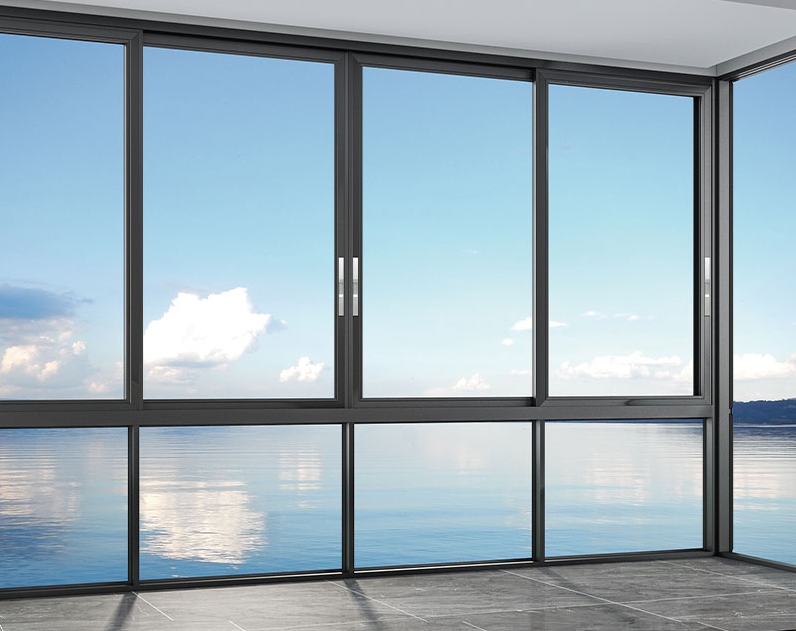
- The Product: Our Series 120 Soundproof Glass Sliding Windowis specifically engineered for urban residential projects. It features a 120mm wide frame for increased stability and a multi-cavity structure that dampens vibrations. Using layered sealing strips creates a sanctuary of quiet, even if the building is adjacent to a busy intersection.
Sacrificing Security for Aesthetics
A beautiful window is useless if it is the “weak link” in your home’s security. Many projects fail by using generic, low-grade hardware that can be easily bypassed.
Engineering Peace of Mind
- The PAVIDA Standard: We refuse to compromise on hardware. We cooperate with world-class brands like German HOPPE, SIEGENIA, and ROTO.
- The Application: On our Aluminum Thermal Break French Swing Doors, these high-quality locking systems ensure that the door leaf is pulled tightly against the frame at multiple points. This not only prevents forced entry but also ensures the door won’t warp or rattle over the years of heavy use.
Neglecting Regional Climate and Standards
A window designed for a calm inland climate will likely fail in a coastal region prone to storms.
Certified Performance
- The Risk: Water leakage and frame deformation during extreme weather.
- The Validation: PAVIDA products are tested to meet the strict Australian Standard AS2047. Whether you are building in a tropical zone like the Maldives or a windy coastal city like Perth, our 6063-T5 high-strength aluminum alloy frames are designed to withstand high wind loads and salt-spray corrosion.
Forgetting the “Insect Barrier” Integration
In many regions, mosquitoes and pests are a major concern. Adding a “mesh screen” as an afterthought often ruins the window’s look and functionality.
Seamless Integration
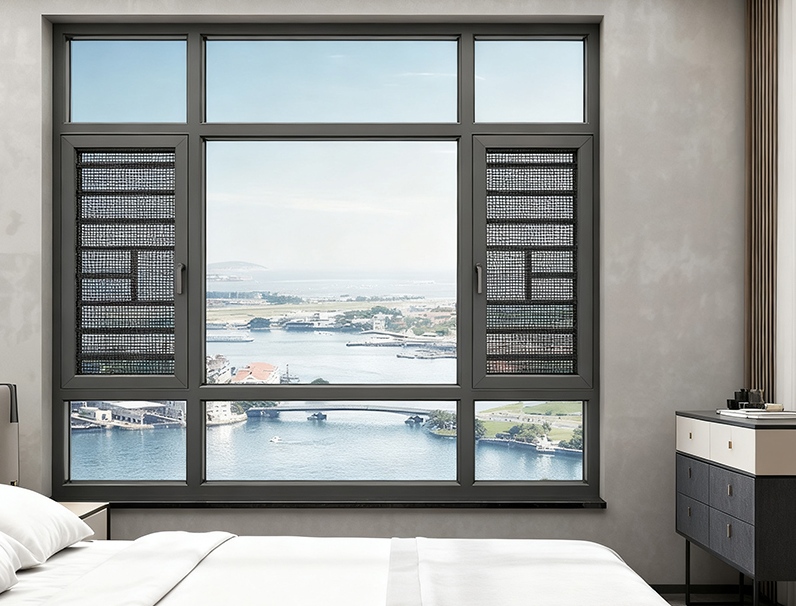
- The Solution: We offer the Integrated Diamond Mesh system.
- The Feature: Found in our Aluminum Casement Windows, this high-transparency stainless steel mesh is built directly into the frame. It provides a rugged barrier against insects and even adds a layer of “fall protection” for children, all while maintaining 100% visibility and airflow.
Choosing Price Over “Total Value” and Service
The final mistake is treating windows as a commodity rather than a service. A cheap window with a poor installation guide is a recipe for disaster.
The PAVIDA Service Advantage
We don’t just ship boxes; we provide Customized System Solutions.
- Design Support: Our team partners with you to fit window styles—from “Retro” French windows to “Minimalist” slim-frame sliding doors—to your building’s unique look.
- Manufacturing Excellence: Backed by 12 years of hands-on work in a current factory, we make sure each joint gets a sharp cut, and each seal lines up just right. This cuts down on extra repair and upkeep bills later.
Conclusion
Your project deserves more than just “glass in a frame.” By avoiding these seven mistakes and choosing a partner like PAVIDA, you ensure that your building is energy-efficient, secure, and timelessly stylish.
Ready to upgrade your project?
[Contact PAVIDA today for a free technical consultation and quote. Let’s build something extraordinary together.]
FAQ
Q: Is it better to use Aluminum or uPVC for high-end residential projects?
A: Aluminum (specifically 6063-T5) provides much greater build strength than uPVC. As a result, it supports thinner frames and bigger glass areas. This setup gives clearer sight and lasts over 20 years. Plus, it avoids color loss or breaks from sunlight exposure.
Q: What is the main benefit of a “Double-Hung” window compared to a “Sliding” window?
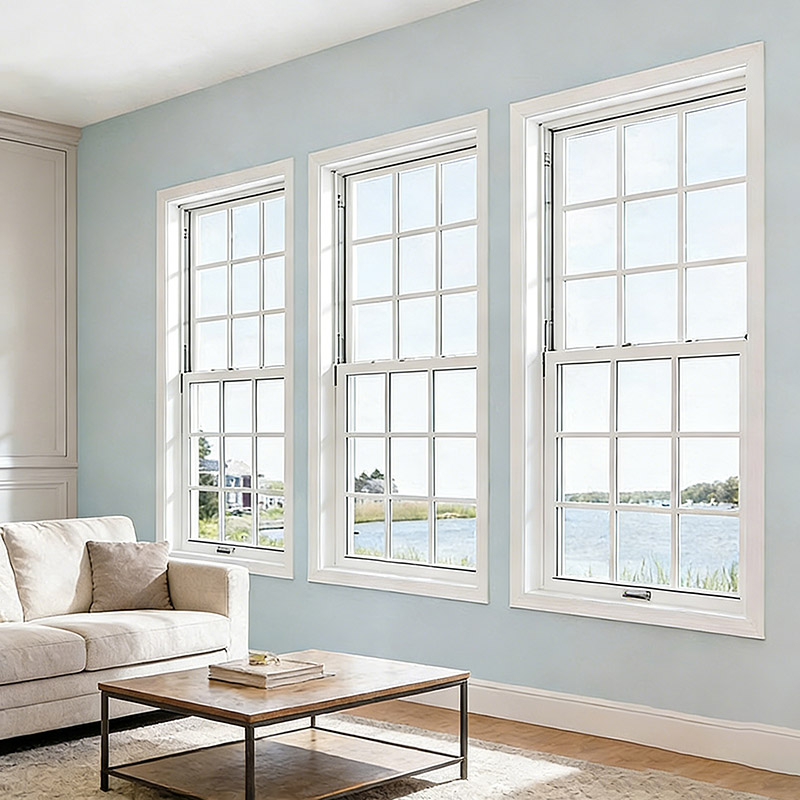
A: Double-hung windows let both upper and lower parts slide. This setup forms a simple air flow—warm air rises out the top, while fresh air comes in from below. Therefore, they work well for natural air movement in compact spaces.
Q: How do I know if a window is truly energy efficient?
A: Check for a “Thermal Break” (like PA66 strips) and the glass’s U-value. A smaller U-value shows stronger heat blocking. Low-E double glazing, for instance, cuts heat escape by as much as 30% over basic single glass.
Q: Can aluminum folding doors be used for high-traffic commercial entrances?
A: Yes, if they include sturdy fittings. In office settings, pick types with a “traffic door” option. This lets folks go through one fixed panel. They do not have to move the whole glass setup.


Leave a reply