







4th December 2025
Introduction: The Fundamental Window Choice
Picking windows for a new build or a remodel is a bigger deal than most people think. The style you choose changes how much fresh air you get, how warm or cool the house stays, how the place looks from the street, and even how much you spend on power bills.
PAVIDA has been making aluminum windows, doors, and sunrooms for years. We mix old-school Chinese courtyard ideas with German engineering, so everything we build is solid, pretty, and works right. Homeowners usually boil the choice down to two main types: casement windows that crank out like a door, and double-hung or sliding windows that move up and down or side to side. Both have their place—we just want you to pick the one that actually fits the way you live.
Defining the Difference: Operation and Functionality
Casement Windows: Full Openings and Maximum Ventilation
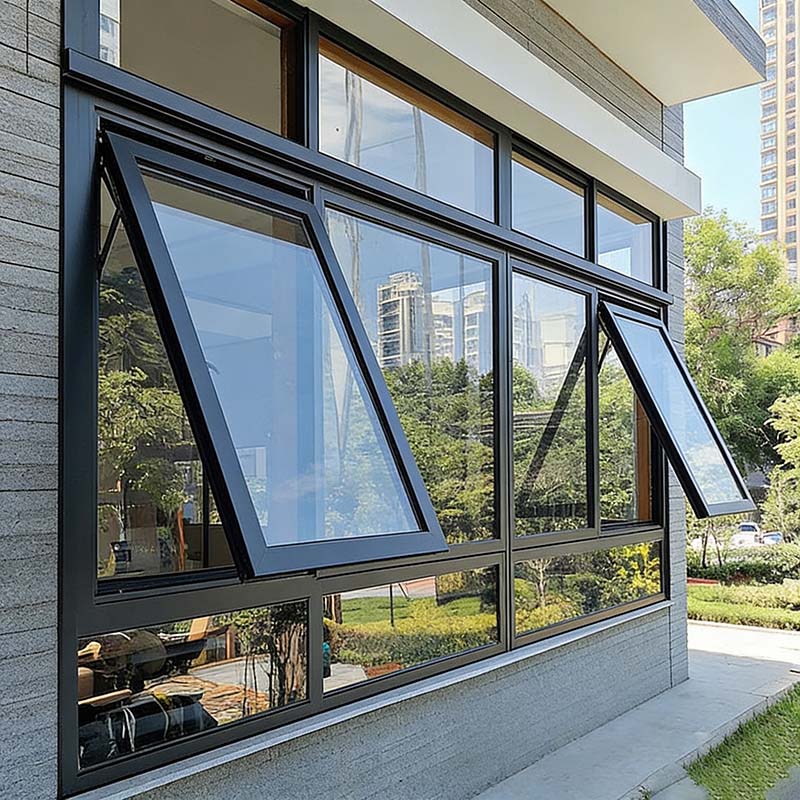
A casement window is hinged on the side and swings all the way out with a crank or a handle. When it’s wide open, the entire glass area is open to the breeze. That means air can pour in top to bottom, and on a windy day, the sash actually scoops the breeze into the room. Kitchens love them because cooking smells disappear fast. Bedrooms love them because you can flush the whole room with fresh air in minutes.
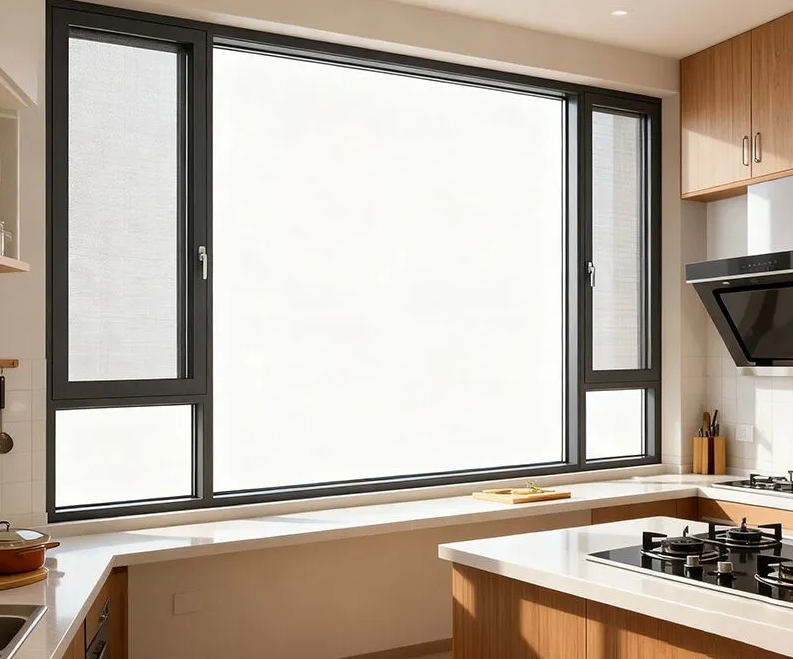
Our 108 Series Double Thermal Break Aluminum Casement Window is a perfect example. Both sashes swing out completely, so you get 100 % open area. Some customers pick the inward-opening tilt-and-turn version instead—it lets you crack the top for ventilation on rainy days and makes cleaning the outside glass from inside the house a breeze.
Sliding/Double-Hung Windows: Vertical Movement and Space Efficiency
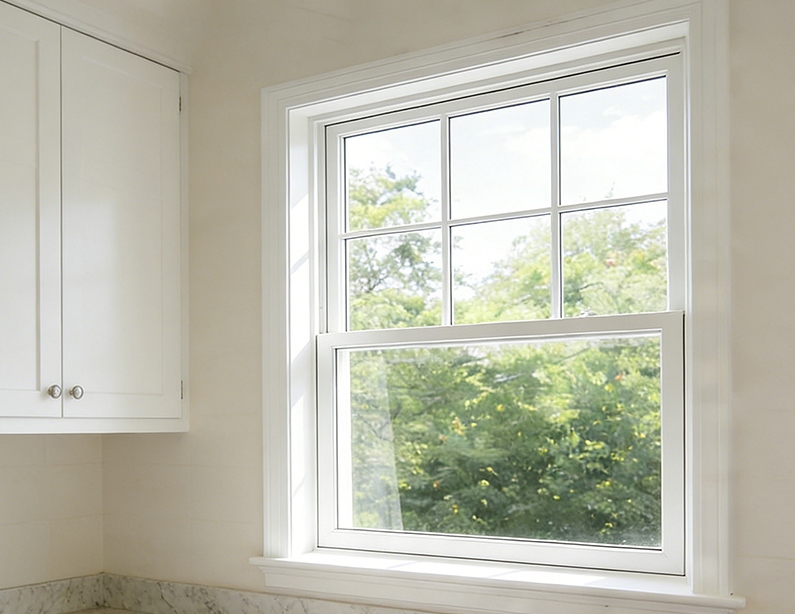
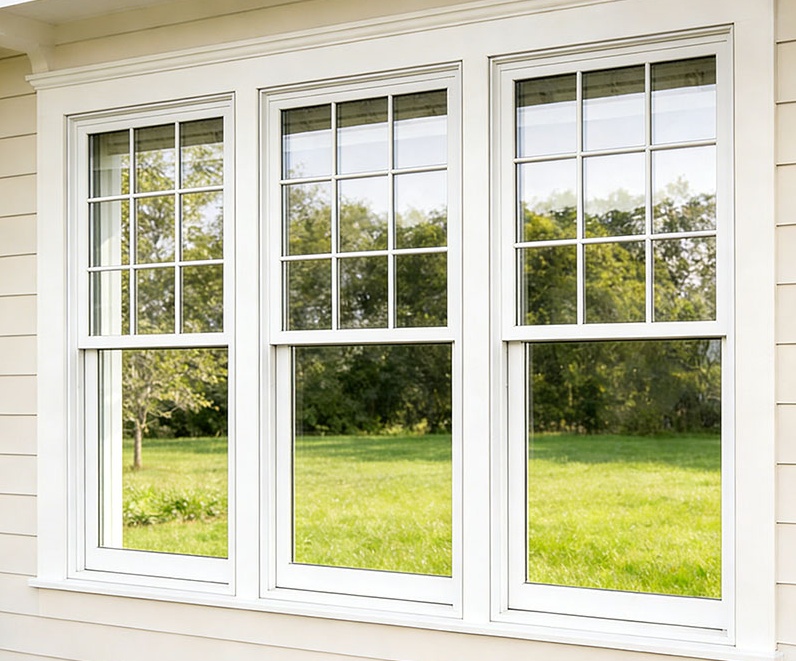
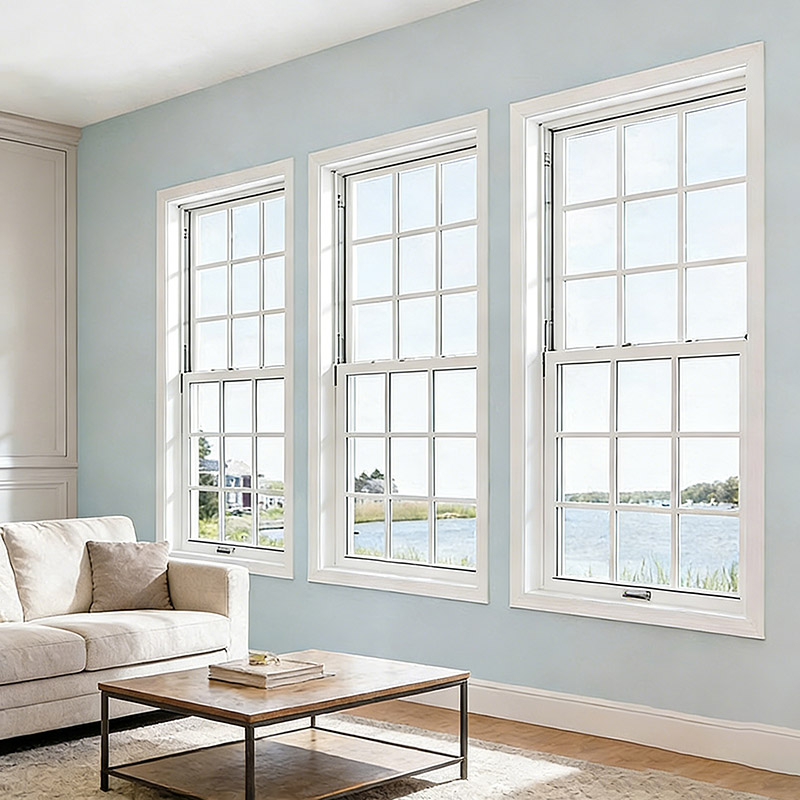
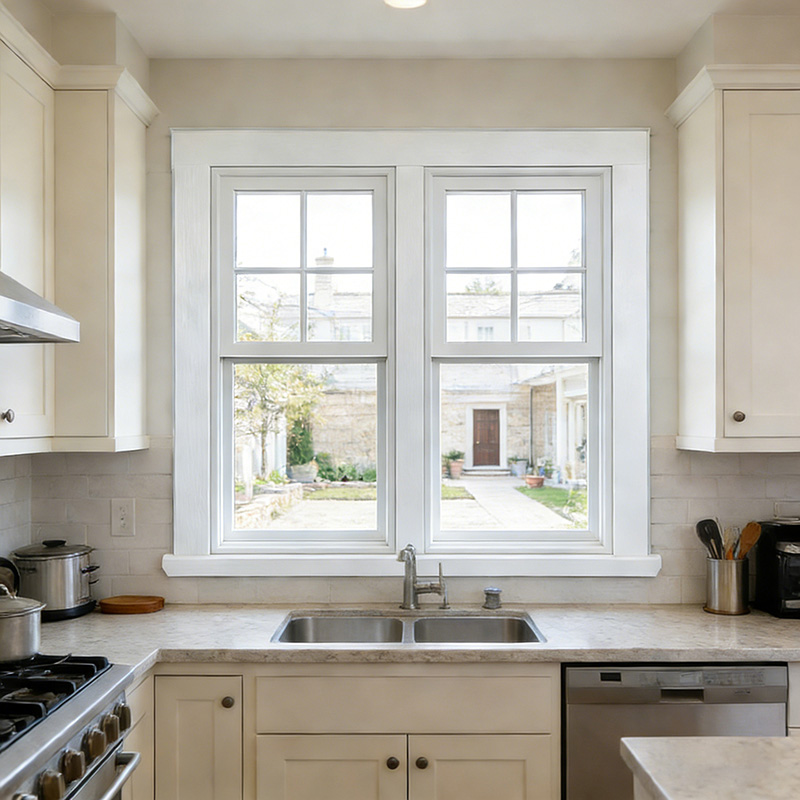
Double-hung and regular sliding windows work the same basic way: the sashes glide past each other on tracks. You can only open half the window at once, so airflow is never as strong as a casement. What you gain is zero swing space. No crank sticking into the room, no sash banging into bushes or patio furniture outside.
We build a lot of horizontal Aluminum Sliding Windows (Series 120, 35 Series, and the super-skinny 4516 Series). They’re the go-to choice for city apartments, tight hallways, or anywhere a swinging sash would hit a deck railing or walkway.
Performance Metrics: Energy Efficiency and Weather Sealing
Superior Thermal Insulation (PAVIDA Thermal Break Technology)
Casement windows have always sealed a little tighter because the sash gets pulled hard against the weatherstrip when you close the crank. We take that natural advantage and run with it. The 108 Series uses extra-wide PA66 nylon thermal strips and a multi-cavity profile. Pair that with argon-filled double glass, and real-world tests show these windows can cut heating and cooling costs by close to 40 % compared to old single-pane units.
Sliding windows used to lag behind on insulation, but not anymore. The 120 Series Aluminum Alloy Soundproof Glass Sliding Window and the 35 Series both get the same thermal-break treatment and thick EPDM sealing strips. The gap in energy performance is now tiny—most homeowners can’t feel the difference on their bills.
Air Tightness and Resistance to Water Infiltration
Crank a casement shut and you’re basically squishing the gasket. That compression seal keeps wind-driven rain out even in hurricanes. All our casement models use multi-layer EPDM strips, so water stays outside where it belongs.
Crucial Considerations: Security and Noise Reduction
Enhanced Security Through Multi-Point Locking Systems
Casement windows are tough to break into. Once you turn the handle, hooks or bolts grab the frame at several points. Add the heavy-duty steel multi-point locks we put on every 108 Series, and it’s basically impossible to pry open from the outside.
Sliding windows get the same treatment—hidden locks, anti-lift blocks, and multi-point hardware on the 120 Series and 4516 Series. Nobody’s popping the sash off the track. Every pane is 3C-certified tempered glass, too, so if something does break, it crumbles into safe little pebbles instead of knives.
Sound Insulation: Creating a Peaceful Interior Environment
Live near a busy street? Casement windows with their tight compression seal plus double insulated glass knock outside noise way down. The 108 Series routinely cuts 35–40 dB. Sliding windows can’t quite match that because of the track, but the 120 Series soundproof sliding window still drops noise by a solid 30+ dB thanks to thicker glass and extra wool-pile weatherstrip. Bedrooms stay quiet either way.
Aesthetics and Practical Installation
Maximizing Views: Slim Frames and Unobstructed Sightlines
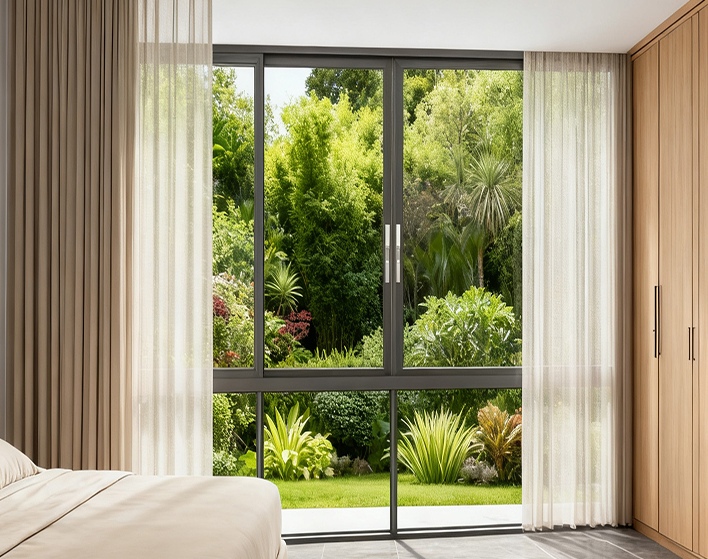
Aluminum lets us make frames skinny without sacrificing strength. Our Aluminum Thermal Break French Soundproof Casement Window has narrow sightlines that make the glass look huge. The 4516 Series Aluminum Minimalist Sliding Door takes it even further—sometimes the frame is barely an inch wide, so all you see is the view.
Location Suitability and Maintenance
- Put casement windows where you want a lot of air—kitchen over the sink, master bedroom, living room with cross breeze. Just make sure nothing outside blocks the swing.
- Use sliding or double-hung windows on upper floors, tight balconies, or anywhere a crank-out sash would hit a neighbor’s fence or your grill.
All PAVIDA windows are 6063-T5 aluminum with baked-on powder coat. They don’t rust, peel, or fade. Wash them with the hose a couple of times a year, and they still look factory-fresh ten years later.
PAVIDA: Customizing Your Ideal Window Solution
Some rooms need every bit of breeze you can get—go casement. Other rooms need every inch of floor space—go sliding. We build both, and we build them right.
Precision Manufacturing and Material Excellence
We start with nationally certified 6063-T5 aluminum—strong, straight, and corrosion-proof. Every profile gets salt-spray tested, color-fade tested, and hardware gets cycled thousands of times before it leaves the plant. If it doesn’t pass, it doesn’t ship.
Customization Options for Design and Performance
Pick your style and we’ll make it happen:
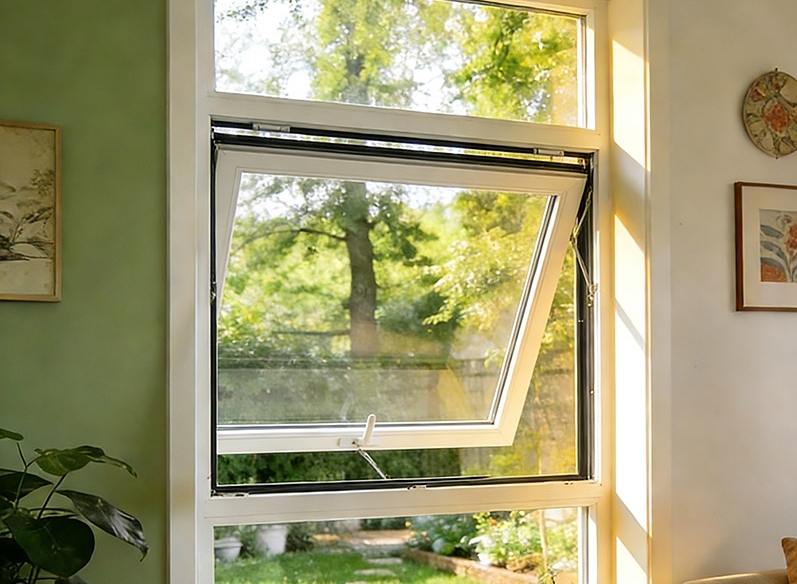
- Casement can open out, open in, or tilt-and-turn.
- Glass can be clear double, Low-E, acoustic laminated, or tinted. Standard package is 5+20A+5 mm with argon fill.
- Colors run from matte black to champagne gold to wood grain, plus custom RAL matches if you need something special.
- Handles, grilles, screens—whatever you want.
Send us a rough sketch or a photo of a window you love, and we’ll turn it into shop drawings, build it, and ship it ready to install.
Conclusion: Making the Right Investment
Casement windows (like our 108 Series) win on ventilation, sealing, security, and noise blocking. Sliding windows (120 Series, 35 Series, 4516 Series) win on space-saving and super-clean modern looks. Both get PAVIDA’s thermal-break aluminum, multi-point locks, and thick insulated glass, so either choice saves energy and lasts decades.
Pick the one that fits how you actually use the room. We’ll handle the rest.
FAQ
Q: Which window style offers better noise reduction for a home near a busy road?
A: Casement, hands down. The crank pulls the sash tight against the gasket, so our 108 Series with double-insulated glass usually cuts 35–40 dB.
Q: Can PAVIDA’s sliding windows be as energy efficient as their casement windows?
A: Very close. The 120 Series and 35 Series both have thermal breaks and thick EPDM seals—most customers see almost the same power bills.
Q: Why are PAVIDA casement windows considered more secure than most sliding types?
A: Casement windows clamp shut with multiple steel lock points, pulling the sash tight into the frame, leaving no loose edge to pry.
Q: Do casement windows take up indoor space when opened?
A: No—they swing outward, so the inside stays completely clear.
Leave a reply