





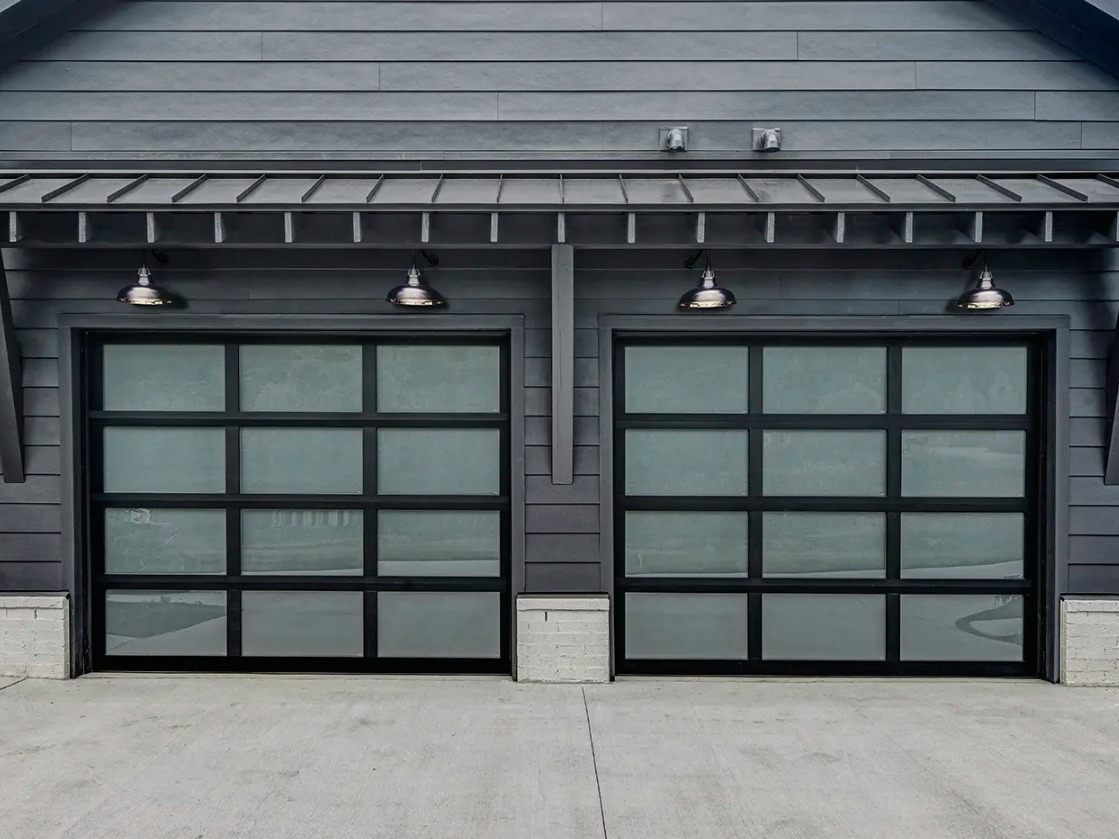
Insulated Garage Doors: Stop Energy Loss & Cut Costs
08
أكتوبر
Understanding Garage Door Heat Loss and Home Energy Efficiency
Evaluating your home’s thermal envelope requires looking closely at the largest uninsulated opening in the entire structure. Excessive garage door heat loss can increase utility costs and reduce comfort in adjacent living spaces, making garage door energy efficiency an important consideration for attached homes.
The Hidden Thermal Hole in Your Home Envelope
Openings without insulation let air move freely and allow heat to transfer quickly. This hurts overall HVAC performance.
- Major Energy Drain: A non-insulated garage door acts as a large thermal bridge. It causes fast indoor heat loss in cold winter months and creates strong heat buildup during summer.
- Living Space Impact: Attached garages share walls or ceilings with living rooms and bedrooms. They pass extreme outdoor temperatures straight into conditioned areas, which raises the value of an energy-efficient garage door.
- Architectural Protection: As a specialized manufacturer of high-end aluminum windows, doors, and sunrooms worldwide, بافيداdelivers factory-direct energy-efficient garage door systems. These systems help improve this key entry point.
Insulated vs. Non-Insulated Garage Doors: Core Technical Differences
Picking between insulated vs. non-insulated garage doors depends on how the door is built, how many layers block heat, and how well it supports garage door energy efficiency over many years. These build differences explain why simple single-panel doors often let more heat move through as time passes.

Thermal Resistance and R-Value Mechanics
Garage door R-value shows how well the panels slow down heat moving through the door surface.
- Non-Insulated Garage Door Construction: A standard non-insulated garage door uses one thin sheet of steel or aluminum with nothing inside. This gives almost no help against heat transfer and leaves the door less stiff overall.
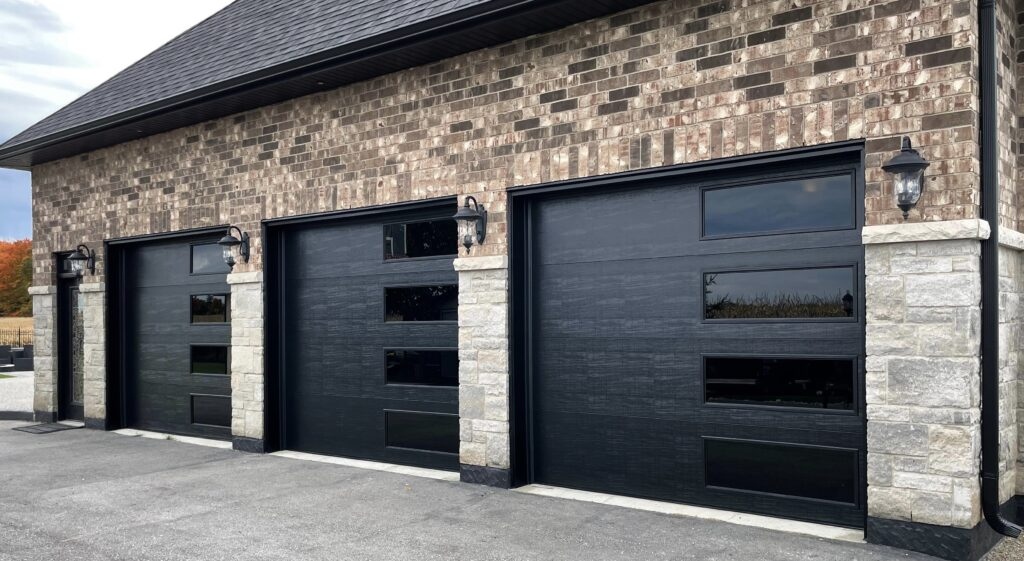
- Insulated Garage Door Engineering: An insulated garage door, especially an insulated sectional garage door, uses layers of steel or aluminum with dense foam placed between them. The foam core cuts heat flow in both directions.
- Superior R-Value Rating: Good garage door insulation raises garage door R-value numbers, so indoor temperatures stay steadier even when outside weather turns extreme.
The Impact of Garage Door Air Leakage and Drafting
Air can still slip past the edges even if the panels hold insulation.
- Garage Door Air Leakage: Gaps around the frame let cold air in during winter and warm, moist air in during summer, which lowers the door’s overall performance.
- Thermal Bridging Pathways: Metal parts that touch both inside and outside pull heat straight through the frame and raise energy use.
- Systemic HVAC Load: Proper garage door weather sealing keeps garage temperatures more even and cuts the work the house heating and cooling systems must do each season.
Engineering High-Performance Thermal Break Aluminum Garage Doors
Today’s homes call for doors that look sharp, hold up well, and cut energy use. A thermal break garage door places a mechanical barrier inside aluminum sections to slow heat flow through the metal.

Premium Profile Construction and Weather Sealing Features
PAVIDA builds its doors with strong materials and layered seals that boost insulation, block drafts, and add years of service.
- Virgin Aluminum Frame Alloy: Constructed from high-grade 6063-T5 virgin aluminum alloy profiles, providing high strength, structural stability, and superior weather durability.
- PA66 Nylon Thermal Barrier: Structural PA66 nylon insulation strips mechanically separate inner and outer aluminum extrusions, allowing the thermal-break aluminum garage door structure to reduce conductive thermal transfer pathways.
- EPDM Garage Door Seals: Multi-channel EPDM garage door seals run along the entire door perimeter and panel interlocks, supporting effective garage door weather sealing against wind-driven rain and air leaks.
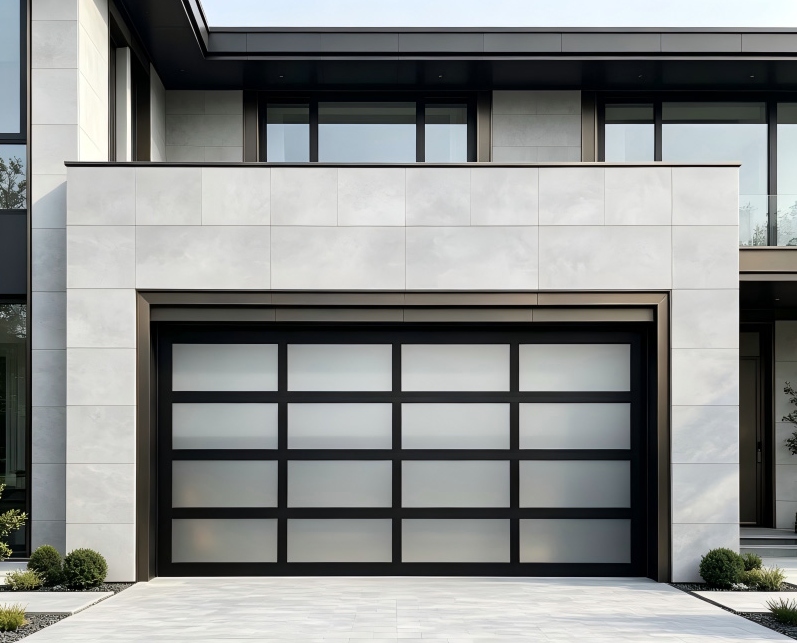
- Advanced Glazing Options: Double-glazed Low-E tempered glass panels allow natural daylight into garage spaces while reflecting infrared radiation to help preserve internal temperatures.
Solving Environmental and Application Challenges
Tailored door engineering solves specific building-envelope challenges across diverse climates and luxury property layouts.
- Coastal Villa Application: For coastal estates exposed to ocean air, salt spray, and high humidity, PAVIDA’s insulated aluminum garage door solutions resist surface corrosion while supporting thermal stability.
- Attached Living Space Solutions: Installing an insulated aluminum garage door next to bedrooms or home gyms helps reduce noise transmission and limits temperature fluctuations.
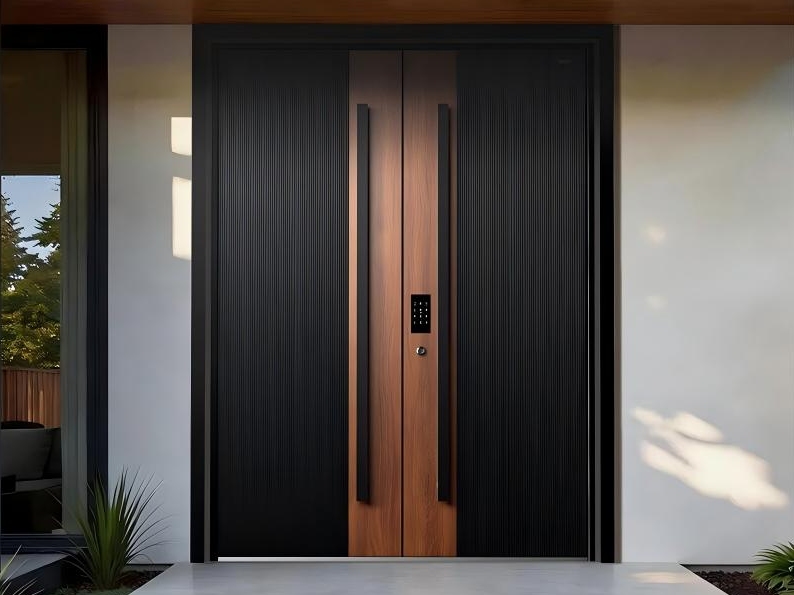
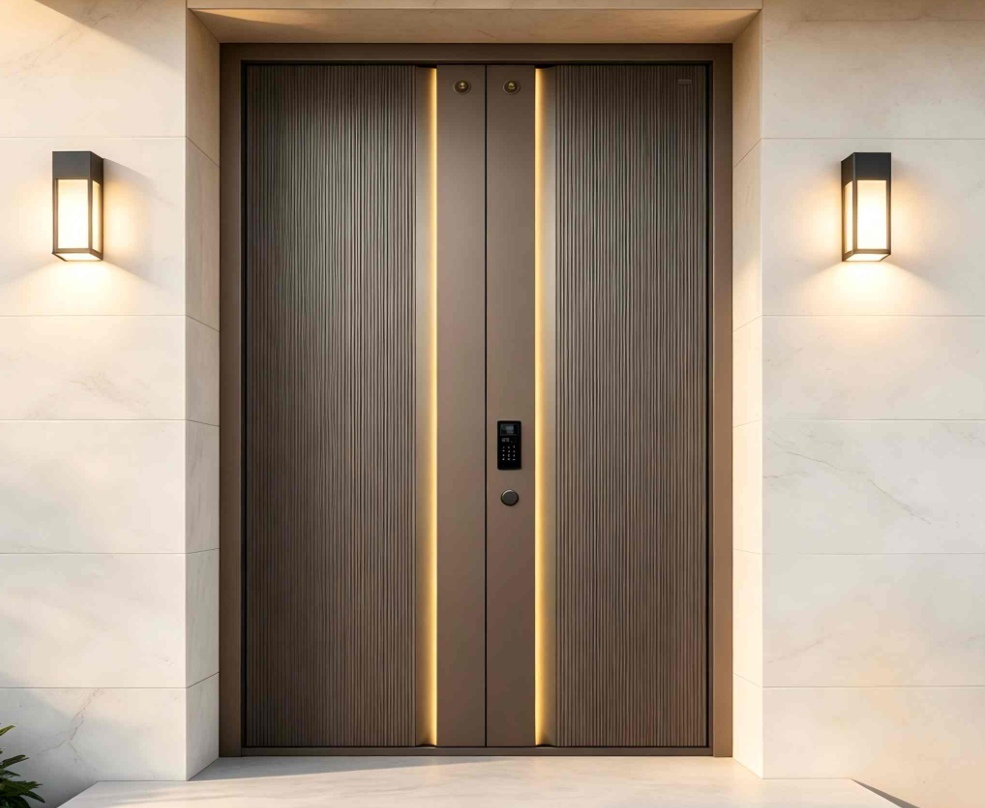
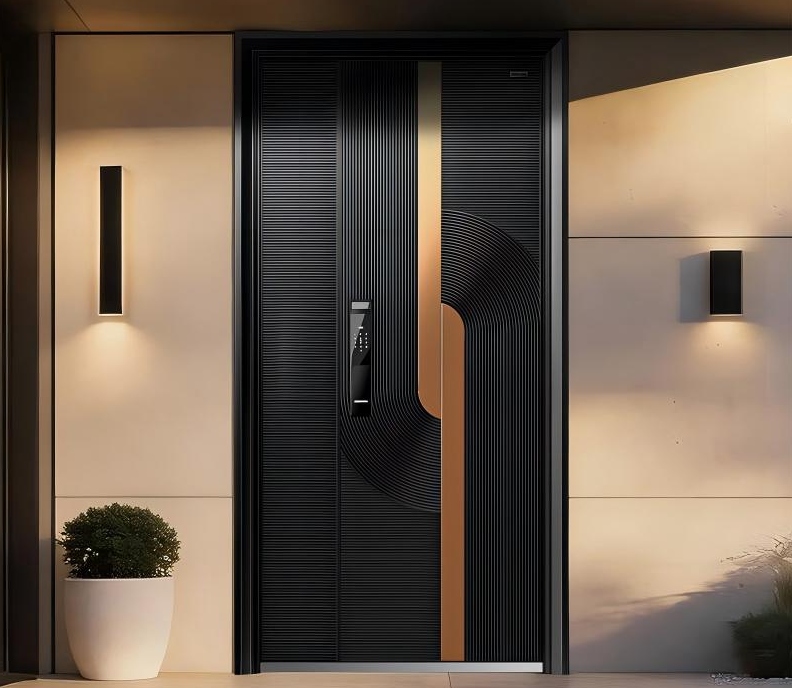
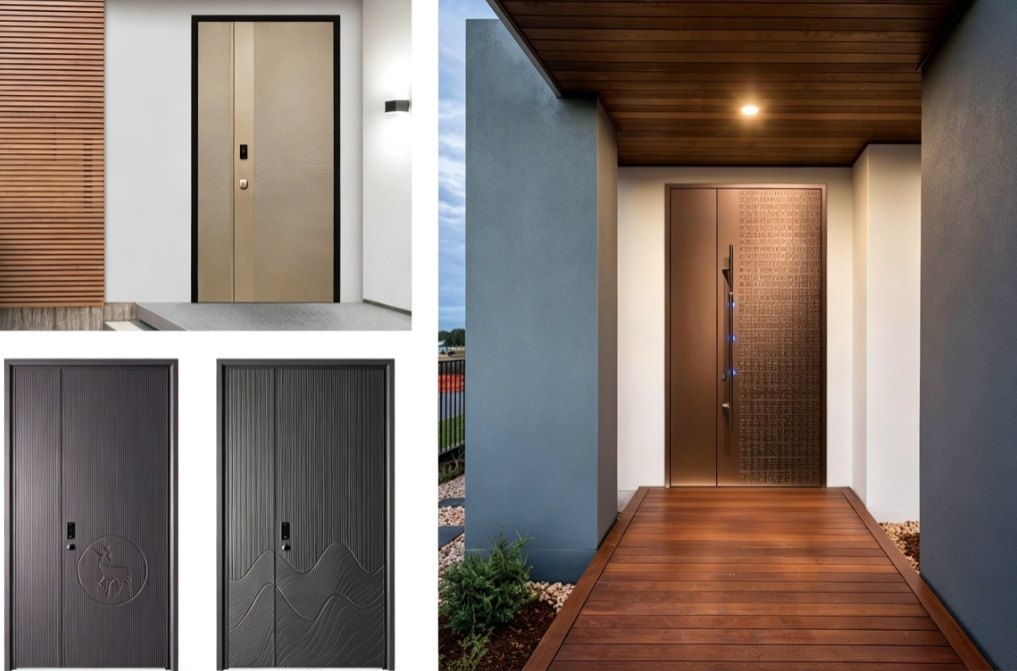
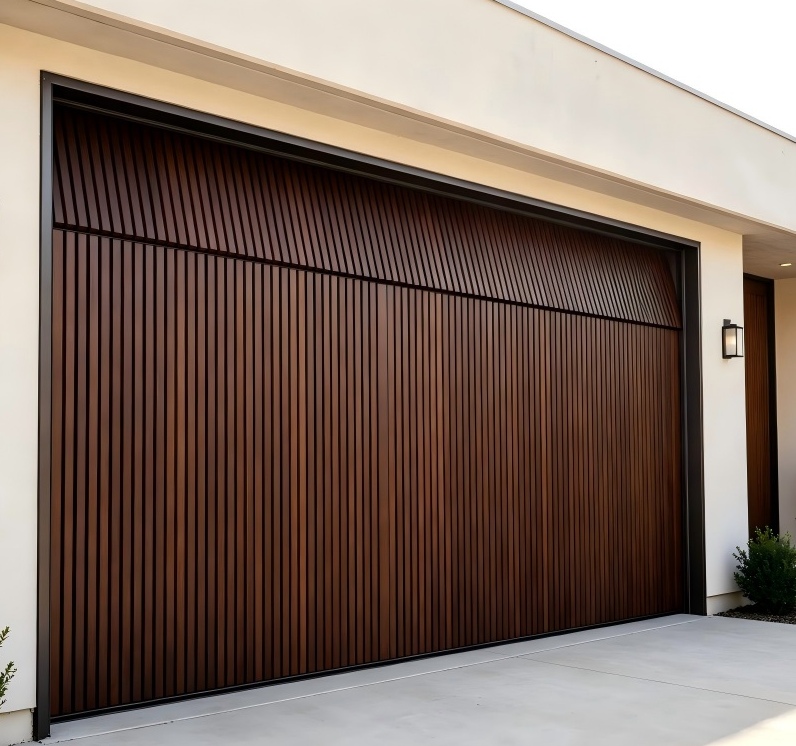
- Carved Door Series Engineering: The PAVIDA Carved Door Series integrates luxury custom architectural styling with internal foam insulation cores and heavy-duty garage door weather sealing for luxury estates.
Quantifying Energy Savings and Long-Term Value
A thermal break garage door brings better comfort and quieter rooms while improving how the building retains heat over time. Switching out a plain metal door for one with insulation helps seal off the garage area more effectively.
HVAC Load Reduction and Curb Appeal Optimization
Upgrading the garage area in this way brings practical gains in strength, cost savings, and looks for any homeowner.
- Reduced Utility Consumption: Improved garage door energy efficiency keeps temperatures steadier in attached garages. This cuts down on heat moving into living areas.
- Noise Dampening Properties: The foam inside an insulated sectional garage door cuts down on outside sounds and door noise, making the house feel calmer inside.
- Elevated Property Value: A new thermal break aluminum garage door adds to the home’s appearance from the street and may raise its market worth.
Upgrade Your Property Envelope with PAVIDA Architectural Solutions
Transforming your home facade requires custom engineering designed precisely around your site dimensions and aesthetic vision. PAVIDA offers direct-from-factory expertise to fulfill complex architectural requirements.
Take the Next Step Toward Thermal Efficiency
Our dedicated engineering team guides clients through technical selection, custom drawing alignment, and performance optimization.
- Factory-Direct Custom Design: Custom engineering options match precise architectural CAD dimensions, frame finishes, specialized glazing requirements, and garage door insulation needs.
- Project Consultation Service: Schedule a professional consultation with PAVIDA specialists to select the ideal insulated sectional garage door, thermal break garage door, or custom entrance system for your luxury villa project.
أسئلة متكررة
Q: How does a thermal break work in an aluminum garage door?
A: A thermal break aluminum garage door uses non-conductive PA66 nylon insulation strips to keep the outer and inner aluminum sections apart. This setup stops heat from moving directly across the frame. As a result, the garage stays more comfortable no matter the weather outside.
Q: What level of insulaتion or R-value is recommended for an attached garage?
A: For an attached garage, an energy-efficient garage door makes good sense. It features high-density polyurethane garage door insulation along with airtight EPDM garage door seals. These parts work together to limit how much heat passes through. A higher garage door R-value also takes some strain off the HVAC system in the rooms next to it.
Q: Can an insulated garage door help reduce ambient outside noise?
A: Yes. An insulated garage door or insulated sectional garage door filled with dense polyurethane foam cores can cut down on noise. The foam helps absorb sounds from the street. It also lessens the clatter from the door mechanism itself.
Q: Why choose insulated aluminum garage doors over steel doors for coastal regions?
A: Premium 6063-T5 aluminum alloy gives better protection from salt fog and moisture near the ocean. Steel doors tend to rust faster in the same setting. Pairing it with thermal breaks, EPDM garage door seals, and effective garage door weather sealing adds extra durability. An insulated aluminum garage door then delivers steady thermal performance even in coastal areas.