







22nd Октябрь 2026
Choosing the Right Aluminum Windows for Buildings in Coastal or High Wind Regions
When specifying a coastal window, it is useful to treat the salt exposure risks to finishes, hardware and dissimilar metal connections separately from the wind pressures that generate structural load, deflection and water driving forces. A single specification can then test that the chosen window meets all these requirements.
PAVIDA specializes in custom-made aluminum window and door systems for overseas projects. These can be projects located near the coast and in other parts of the world. By using the project location, the dimensions of individual units, the type of opening and the required tests, we can select the appropriate configuration. A generic “marine-grade aluminum window” description is not sufficient.
Define the coastal exposure
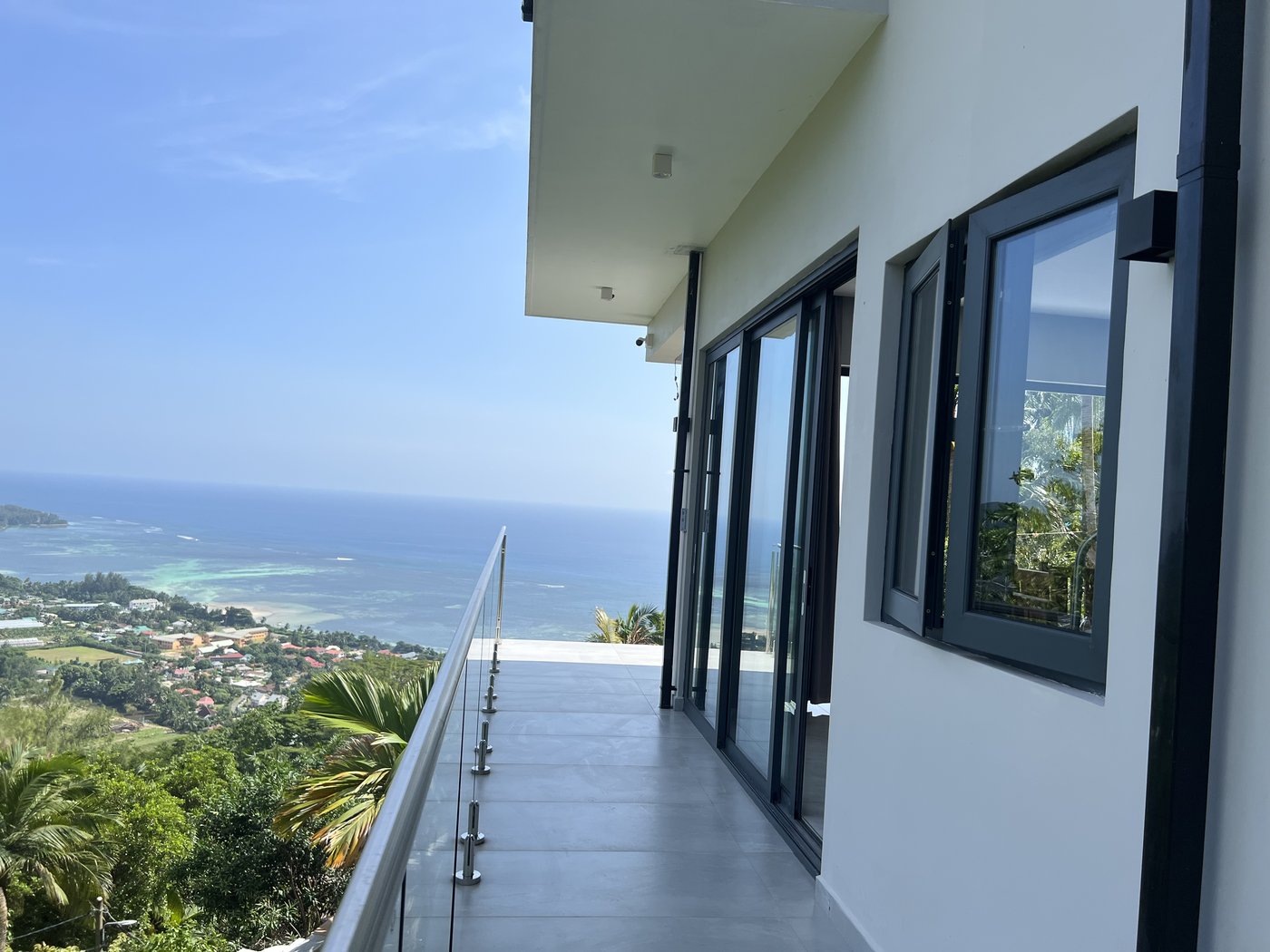
Distance from the coast is only an indicator. Exposure to corrosion is determined by a combination of airborne salinity, wind, humidity, rain, shelter, altitude and pollution near the building. ISO 9223 indicates corrosion protection classes by using environmental influences like time of wetness, sulfur dioxide and airborne salinity. Buildings of equal distance to the coast can have totally different deposition and drying conditions.
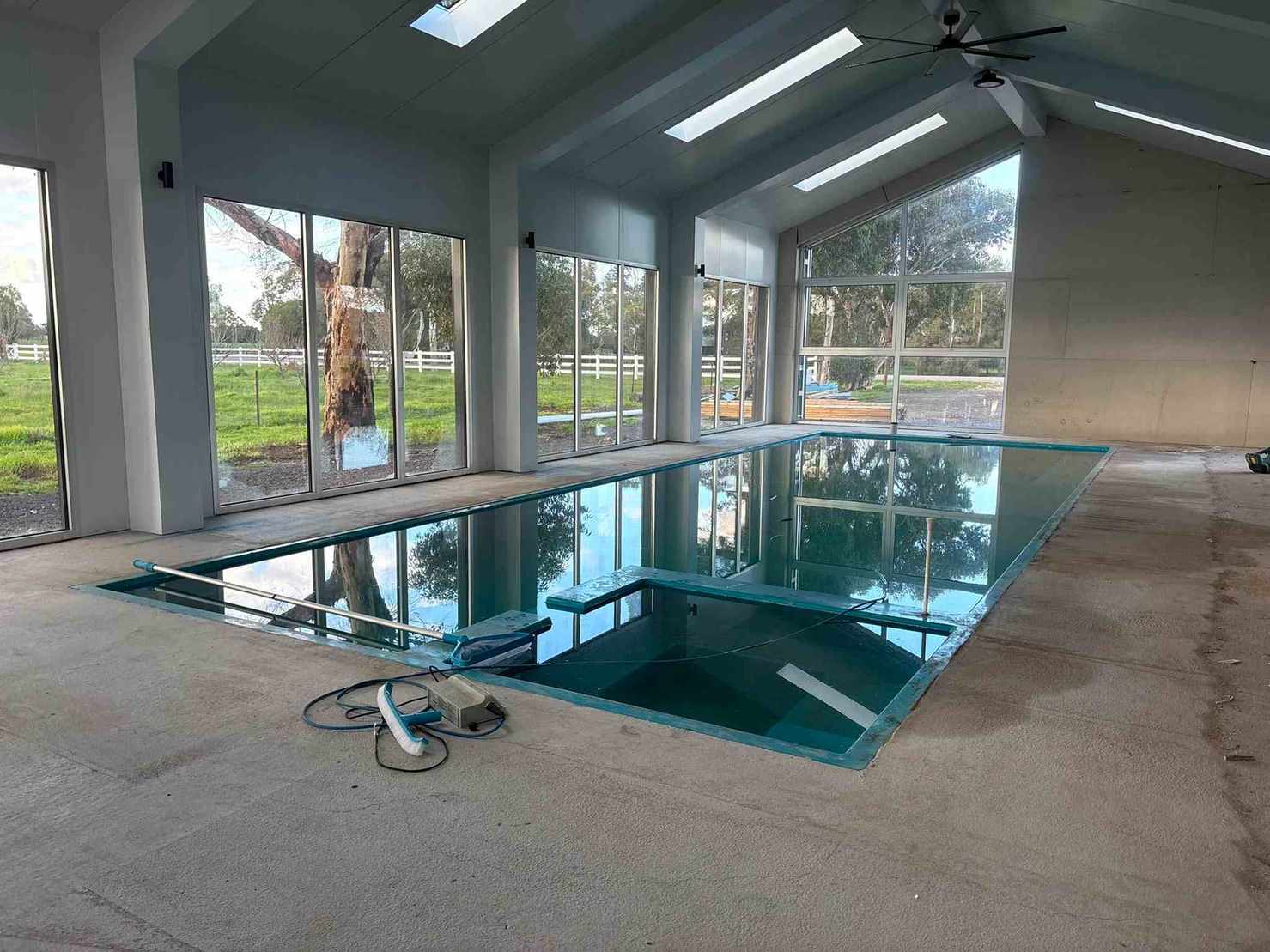
Does the facade face the sea, is it behind another building, gets directly washed by spray or can it get washed by rain? And what is the maintenance access like? A durable finish still needs to get salt off from time to time; a window that can’t get safely rinsed or inspected will get older faster than a similar window on a balcony that can be safely accessed. For a practical example, explore PAVIDA’s Perth coastal window project in Western Australia.
Specify the complete corrosion system
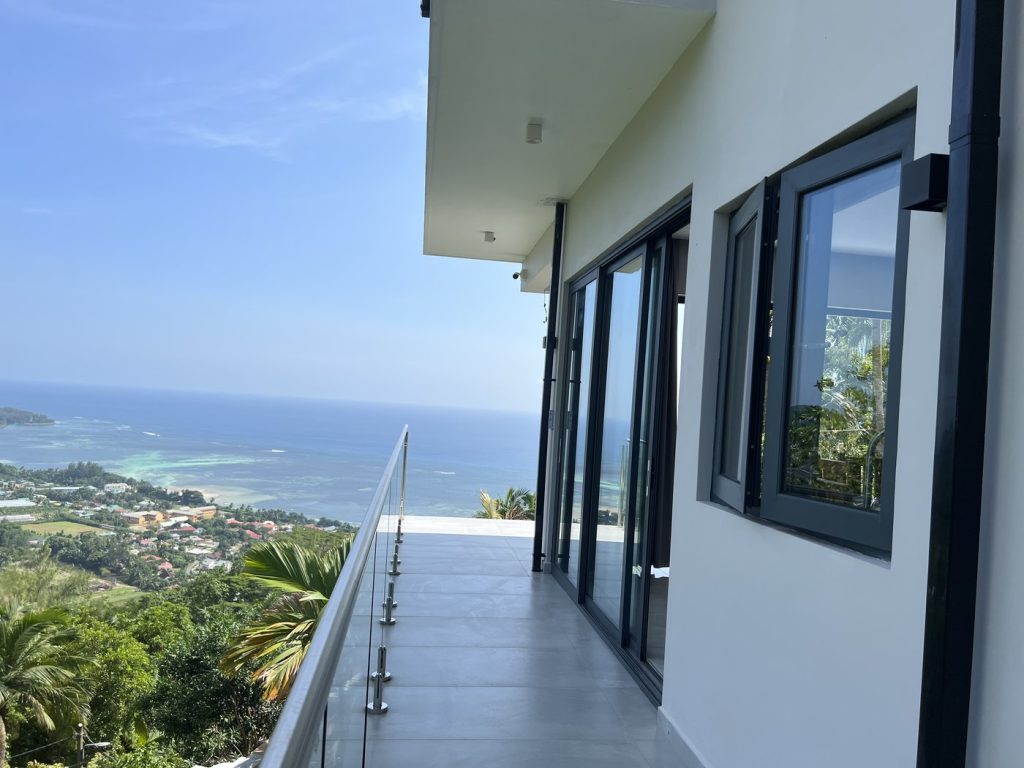
The aluminum alloy is only the basis for a finished product. Pretreatment and surface coating, coating thickness, cut edge protection, use of stainless steel or protected hardware, fastener compatibility and water drainage also determine the product’s durability. Incompatible metals in wet/salty areas must be isolated. Special attention needs to be paid to sealers, hinges, locks, screws and all concealed areas where material deposits can dwell.
Salt-spray test hours provide an indication of a coating’s consistency and potential defects, but the test is not intended to predict long-term service life or to rank corrosion resistance of different materials in real-life situations. Read the test scope, specimen preparation and acceptance criteria instead of attributing the sum of all hours run in test to some specific lifespan.
Learn more about PAVIDA’s window manufacturing and finishing process, including surface treatment, hardware assembly and quality inspections.
Convert wind into a design pressure
A simple declaration like ‘suitable for 150 km/h wind’ leaves too many questions open. The pressure of wind depends on a lot of parameters like place, height of the building, the surrounding terrain, the form of the building, corner situations and whether the load is pushing against the outside skin of the building or is pushing from inside outwards. The project engineer or the governing codes should supply the design load for the individual facade zones.
Map the specified load to the tested item. A test of a small fixed specimen does not automatically constitute testing of a tall operable sash. Inspect the tested specimen for width and height, for type of opening, for mullions, for glass, for reinforcement, for operating hardware and for anchors. Structural performance under uniform static pressure is covered by ASTM E330/E330M test methods; cyclic loading and windborne object testing, however, utilize separate test methods. For European projects, wind load testing is frequently associated with EN classification of air and water performance.
Glass, hardware and opening style move together
The thickness and make-up of the glass will need to be appropriate for the design load, the size of the individual panes, their support and for local regulations relating to safety. Where there is a risk of hurricane or cyclone, glass may also require to offer impact protection in addition to resistance to pressure. Laminated glass can often be substituted by alternative products but this should only be done following the specific impact and cyclic-pressure test route required by the project.
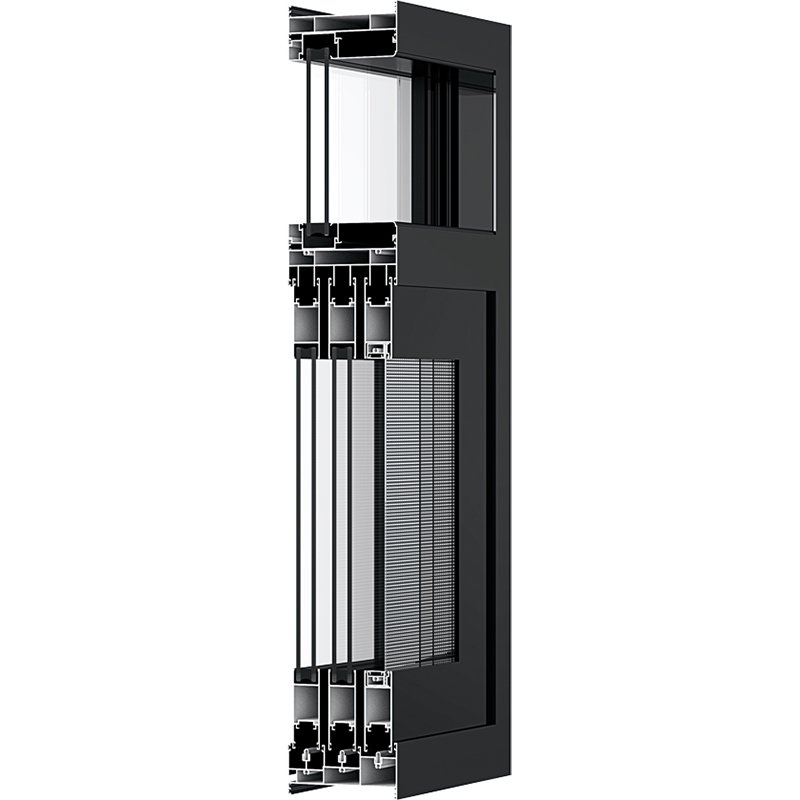
The opening style of a product has a significant influence on the required profile sealing and the corresponding hardware loads. Properly specified compression-sealed casement windows can offer effective weather sealing, while aluminum sliding windows provide space-saving operation but require careful attention to tracks, interlocks and drainage.
Water management continues into the wall
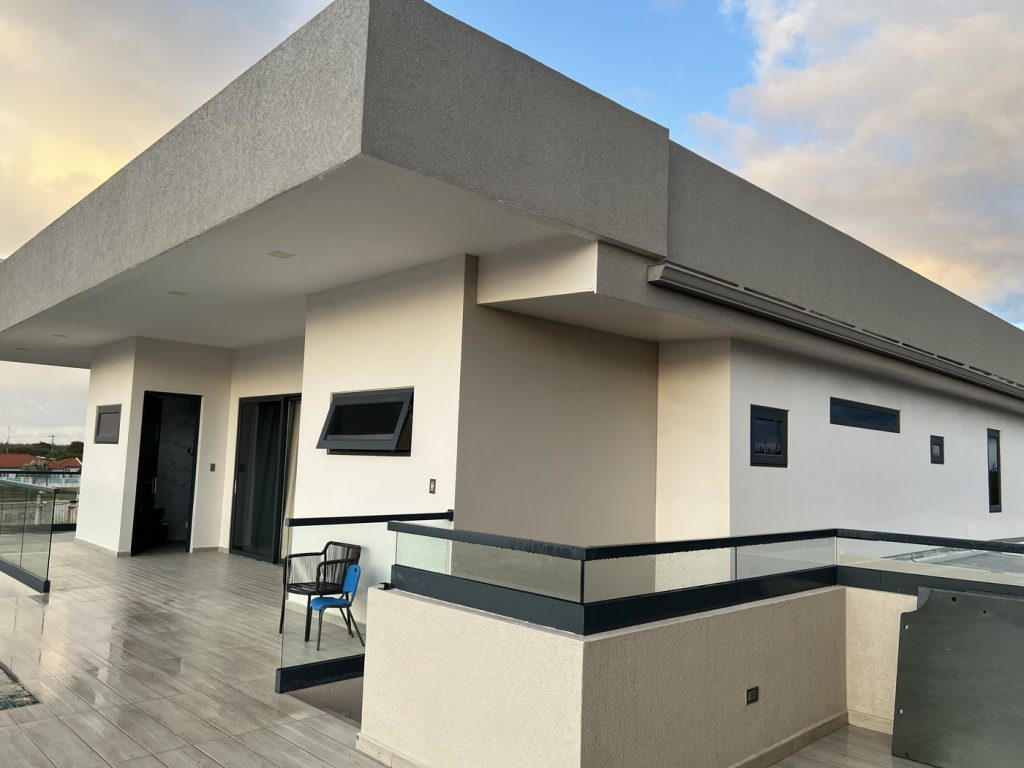
Wind-driven rain seeks out weak joints. Inspect sill upstands, drainage slots, pressure-equalization joints, gasket continuity, and corner joints. Frame-to-wall interfaces require compatible barrier membranes, backer rod, appropriate sealant geometry, and proper flashings. Ensure that all building parity drainage openings are left open post-construction and are not subsequently covered by render, masonry or decking.
In addition to approved anchors, the installer will require information on anchor spacings, edge distances and the substrate to which the anchor is to be fixed. Product testing describes a test specimen but performance at a site will depend upon successful reproduction of the appropriate support and sealing conditions. A site water test should be planned where the contract or exposure circumstances justify such a test.
A coastal and high-wind submittal checklist
- Project coordinates, building height, facade zone and engineer-supplied design pressure.
- Window schedule with actual sizes, fixed and operable areas, glass and mullions.
- Corrosivity exposure, finish system, hardware and fastener materials, and maintenance access.
- Air, water, structural, cyclic-pressure and impact requirements for destination markets.
- Full test reports mapped to the offered system and size, not isolated certificate pages.
- Installation drawings to be shown for anchors, perimeter seals, sill drainage and wall waterproofing.
Add Uw and SHGC or g-value as necessary to address thermal or solar performance requirements using our window thermal-metric guide. This data can be packaged with the remainder of the necessary information to purchase in a customized door and window quotation checklist served up as a commercial handoff.
Set a maintenance brief before handover
Coastal maintenance should be included in the project documents and not introduced as an after thought when the staining starts to fail. Ensure that there is safe access for cleaning and that there is a defined frequency for fresh-water rinse downs based on the level of exposure. List the approved cleaning products, define the frequency for inspection of the drainage system and for lubrication/adjustment of hardware. Document who carried out the work and how defects and failures are reported. A simple and realistic schedule will ensure that the finish is protected and will also provide the facilities team with a benchmark to identify failed seals, blocked outlets and loose hardware etc. early.
Frequently asked questions
Q: Is aluminum suitable near the sea?
A: No, the finish, hardware and fasteners, drainage, installation and even cleaning of the complete system must be considered. Alloy alone is not enough.
Q: How many salt-spray hours guarantee service life?
A: No single hour guarantees field life. Salt-spray tests are accelerated quality tests and do not simulate all possible corrosion scenarios that occur outdoors.
Q: What wind speed should I give the window factory?
A: Please provide the code or engineer derived design pressure for the particular facade zone of interest. Also provide building and unit information. This is in addition to the wind speed information above.
Q: Does a thicker frame guarantee a higher wind rating?
A: Section geometry, span, mullions, glass, hardware, fabrication and anchorage all work together. Use applicable test or engineering evidence to verify.
Q: Should coastal windows be thermal break?
A: Select a thermal frame based on the requirements of climate, comfort and energy, and select a corrosion system based on exposure requirements. Many projects require both.
Share the location, the elevation drawings, the unit schedule, the design loads, the required standards and the finish expected with PAVIDA. We shall then review a number of PAVIDA window types to select the most suitable and complete a project specific quote.



Оставить ответ