







23rd Октябрь 2026
Thermal-Break vs Non-Thermal-Break Aluminum Windows: Cost, Performance and Applications
A thermal break is worth something when it solves a problem with the building envelope. Paying for a label and then not defining climate, whole-window performance requirements or glass specification is a waste of money. So, this is not a comparison between premium and cheap. It’s a comparison between two different frame types for different spaces, comfort levels and compliance requirements.
We manufacture both non-thermal-break and thermal-break configurations. Our non-thermal-break aluminum casement window is our 50 Series, the 108 Series thermal-break casement window with integrated mesh and the 128 Series double thermal-break are also part of our range. We build from the project, not from the perspective of forcing all openings to fit within one of our system configurations.
What the thermal break changes
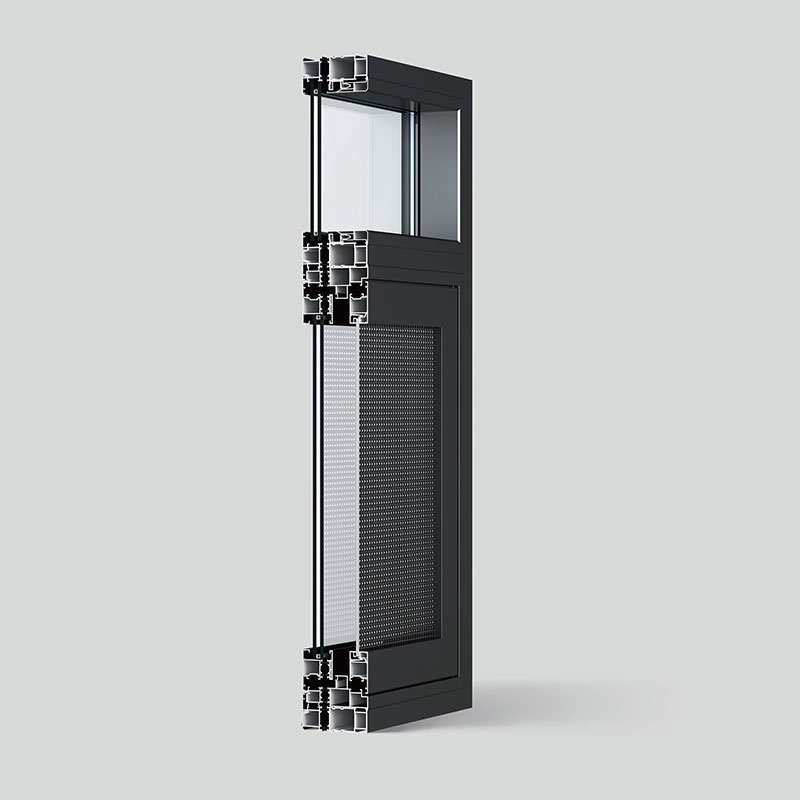
Aluminum is a good conductor of heat. Non-thermal-break profiles contain interior and exterior aluminum surfaces joined together as a solid frame. These frames act as a single conductive path. In contrast, thermal-break frames contain a low-conductivity barrier which separates the inner and outer aluminum sections of the frame. This increases the frame’s resistance and in cold weather will improve interior surface temperatures.
The window frame is only part of a window and many other components such as glass, spacer, seals, sash size and type, opening type and installation details all affect the overall performance of a completed window. Our U-factor, SHGC and Low-E guide explains why one must not mix and match Uw, Ug and Uf values in a quote. Even a supplier offering very low glass Ug values has not necessarily demonstrated a low Uw value for the complete window.
Performance: comfort, energy and condensation
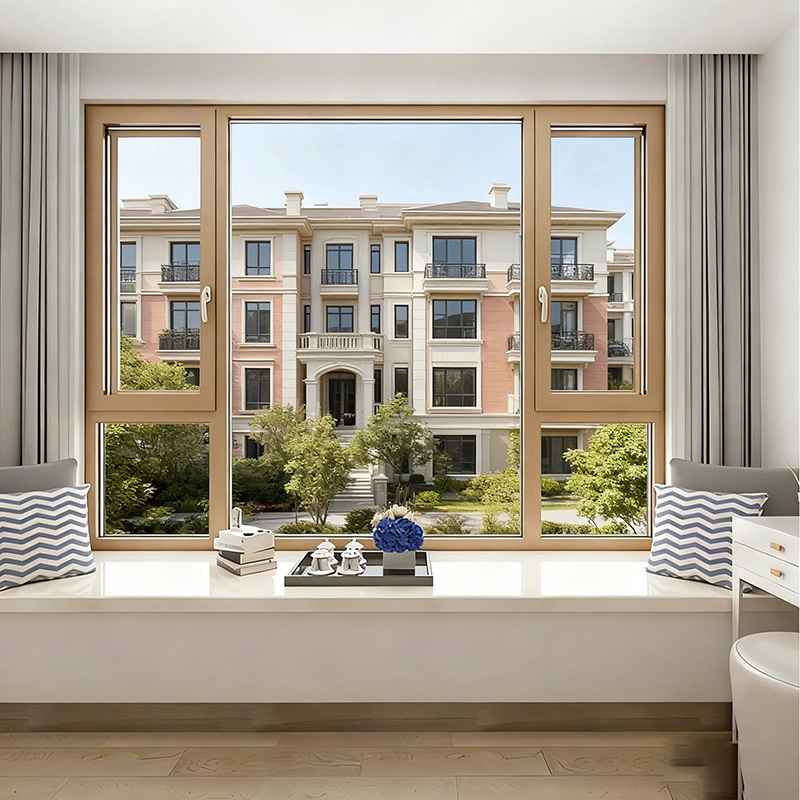
If there is a large difference between inside and outside temperatures for extended periods of time, choose a thermal-break window. By breaking the strong conductive bridge of aluminum, it allows for a more even surface temperature on the room side of the frame. While indoor humidity, outside temperature and a number of other installation factors can affect condensation on the frame, a thermal-break window can help reduce the instance of frame condensation.
In a cooling-dominated climate, the thermal break can serve to reduce inward conductance as well as solar gain through the glass. While the frame cost would be better spent elsewhere, the frame can be a reasonable cost if paired with an appropriate Low-E coating and solar factor rather than spending the entire budget on the frame with no definition of the glazing. For example, an east- or west-facing elevation may have significantly greater solar gain than heat conduction through the frame.
Cost: compare the scope, not a universal percentage
The use of thermal-break profiles requires additional materials, component assembly and verification. Also, whilst using a thermal-break profile, deeper frames, more robust hardware and better insulated glazing units can be specified. The additional cost therefore can vary considerably depending on the section weight, barrier design, glass specification, finish, hardware, order quantity, tests and any customization required. Therefore a fixed percentage increase such as thermal break costs 30% more than non-thermal break than this needs to be compared on like for like bills of materials.
Request two quotations on the same dimensions and opening schedule. Keep the glass, finish, hardware, screen, packing and delivery terms identical. Then the frame-system difference becomes visible. Also compare expected use: an air-conditioned apartment may justify the higher envelope performance, while an unconditioned interior partition will not recover that value.
Where each system fits
- Thermal-break windowsshould be used for conditioned homes, hotels, offices, and apartments operating in cold, hot, or mixed climates.
- Apply thermal breaks wherever local building regulations or project model requirements call for a low U-value for the entire window.
- These may be used where there are problems with cold interior frame surfaces and condensation, which could damage finishes and/or create discomfort.
- Non-thermal-break systems can be considered for internal partitions, unheated storage, outdoor service areas and mild climate regions with low thermal performance requirements.
- Do not use non-thermal-break frames to reduce cost when specifications require a frame that can perform!
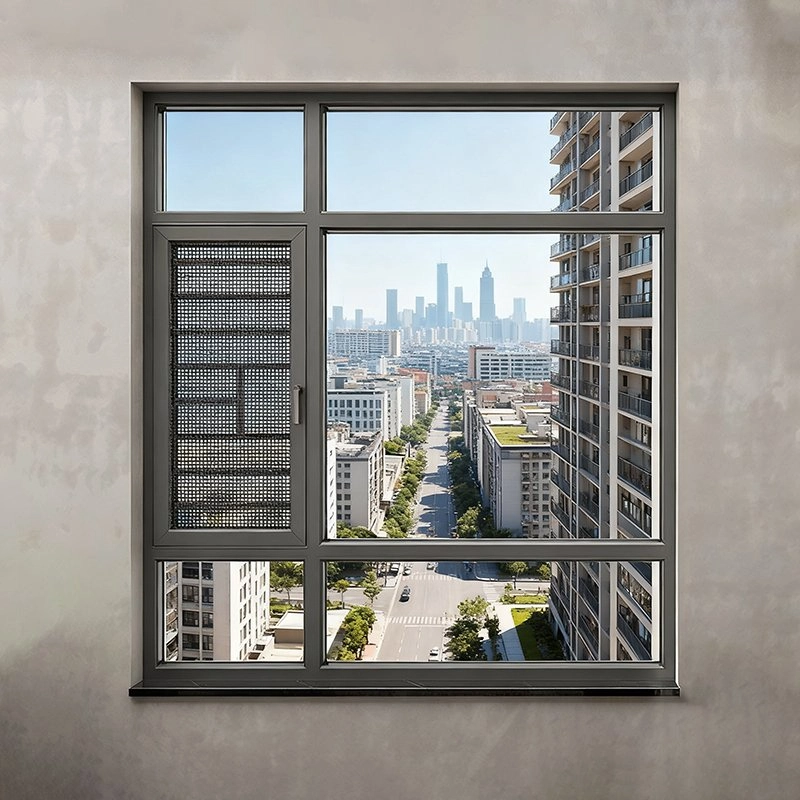
For non-thermal-break aluminum casement projects our 50 Series window can provide an adequate solution. For external conditioned openings, the 108 Series or 128 Series may be a more suitable starting point. The final choice will depend on a number of variables including the required Uw value, overall size, glass type, screen requirement and building exposure.
Do not ignore weather exposure
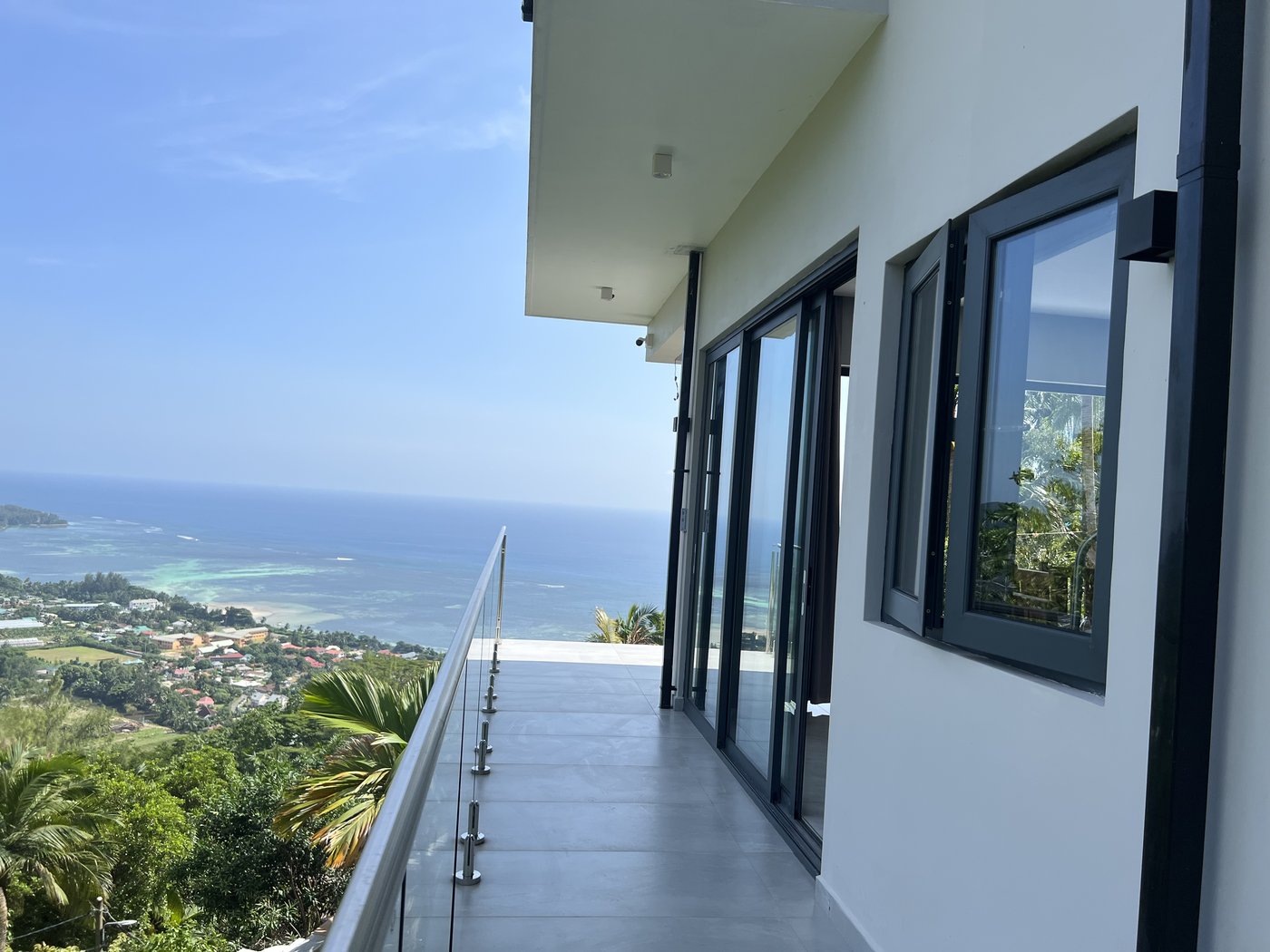
Don’t confuse thermal performance with wind or water performance for a coastal high-rise building. Sure, you need to select a suitable thermal-break frame but that doesn’t necessarily mean your windows can withstand the design pressure, or classify as suitable for air or water, and have the correct finish, suitable hardware and are installed correctly. We have developed a window selection guide for coastal and high-wind situations to help specify the additional requirements of your project.
A clean comparison request
Create one schedule outlining width and height, opening style, quantities and locations. Detail the required Uw or local energy rule, glass build-up, required solar-control performance, safety glass requirements, finish, hardware, screens etc. Test standards, packing and trade term also required and have each of the alternative products repeat these assumptions so that you can audit the decisions made as opposed to being provided with two prices for two different products.
Think beyond the purchase order
In addition to energy consumption, the frame decision influences factors like interior comfort near windows, the risk of cold-surface condensation, the required size of the HVAC system and the uniformity of the facade specification. An expensive frame does not compensate for a badly sealed perimeter joint. Therefore, include the installation details and the final fine-tuning in the quality plan so that the selected system has a fair chance to perform as intended.
Frequently asked questions
Q: Is a thermal-break window always better?
A: Use a low-thermal-conductivity material to reduce conductive heat flow through an external aluminum frame. This material may not be needed for interior partitions or for unconditioned spaces with no thermal requirements.
Q: Can double glazing make a non-thermal frame energy efficient?
A: The glass area does improve with double glazing but the continuous aluminum frame conducts heat transfer. Compare the complete Uw values not just the glass.
Q: Does a thermal break stop condensation?
A: This may slightly raise the interior frame-surface temperature but overall risk will decrease. Indoor humidity, outside temperature, edge of glass and thermal bridge due to installation are of greater significance.
Q: What creates the cost difference?
A: The profile, aluminum weight, thermal barrier, glass, hardware, finish, testing, quantity and packaging all play a role. Compare like configurations.
Q: Which PAVIDA series should I compare?
A: 50 Series non-thermal casement, 108 or 128 Series thermal-break alternatives. Match final system to project data.
Send your window schedule with the climate, required thermal value, glass, opening type and quantity. We can prepare comparable configurations and show which inputs drive the price difference.


Оставить ответ