







19th novembre 2026
Expensive electricity expenses in hot summer months and cold winter months remain a major concern for property owners, both at home and in businesses. Windows contribute to up to 30% of heat losses and gains in a house/building, therefore making good fenestration a necessity.
Major problems that lead to poor window efficiency are:
- Thermal Bridging of Frame: Normal aluminum framing easily conducts heat through the building envelope.
- Heat Gain from Solar Radiation: Clear uncoated glass is responsible for allowing excessive heat penetration into living space, thereby overheating it.
- Air Leakage Perimeter: Poor seals allow conditioned air to leak out, resulting in drafts and unstable temperatures.
Fitting thermal break aluminum windows for extremely hot and cold weather can reduce the cost of heating and cooling systems with energy-efficient windows by up to 20%. As a leading manufacturer of thermal break aluminum windows, PAVIDA manufacture custom energy-efficient aluminum windows, which meet Australian AS2047 standards, using German engineering technology in our 4,000-square-meter factory in Foshan, China.
Understanding Thermal Conduction and HVAC Costs in Extreme Weather
Window frame materials directly influence monthly utility expenses by governing how hard heating and cooling systems must operate. Choosing thermal break windows for extreme climates helps minimize energy loss and maintain comfortable indoor temperatures throughout the year.
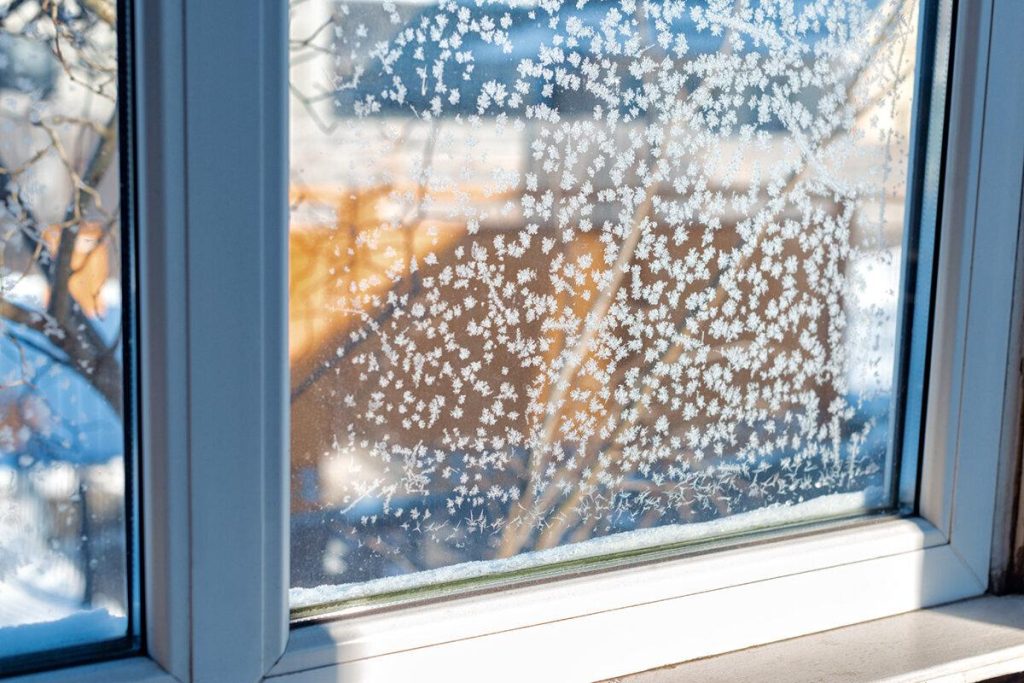
Mechanics of Heat Transfer Through Conventional Window Frames
Non-thermal-break aluminum frames create a continuous metallic pathway through which heat energy is quickly transmitted from inside to outside.
- High Thermal Conductivity: Regular aluminum is capable of conducting heat 1,000 times faster than vinyl or wood, quickly balancing indoor and outdoor temperatures.
- Overworked HVAC Systems: Uninsulated aluminum frames conduct heat indoors in hot weather and allow indoor heat to escape in cold weather.
- Condensation Hazards in Interior Spaces: Inadequate insulation in aluminum frames leads to condensation of moisture within interior spaces.
Why Window U-Factor and SHGC Matter for Energy Savings
Evaluating window U-factor and SHGC is essential when specifying energy-efficient aluminum windows for extreme climates.
- U-Factor Metric: Quantifies non-solar heat transfer through the entire assembly, where lower ratings reflect superior insulation against winter cold.
- Solar Heat Gain Coefficient: Measures solar radiation entering through glass, where lower values are essential for energy-efficient windows for hot climates.
- Balanced Thermal Performance: Optimizing both U-factor and SHGC ratings ensures consistent year-round energy efficiency across extreme climate shifts.
Engineering Excellence: How PAVIDA Thermal Break Technology Solves Extreme Climate Challenges
Achieving true thermal isolation requires structural innovation across both aluminum profiles and insulated glass assemblies, particularly when manufacturing high-performance thermal break aluminum window frames.
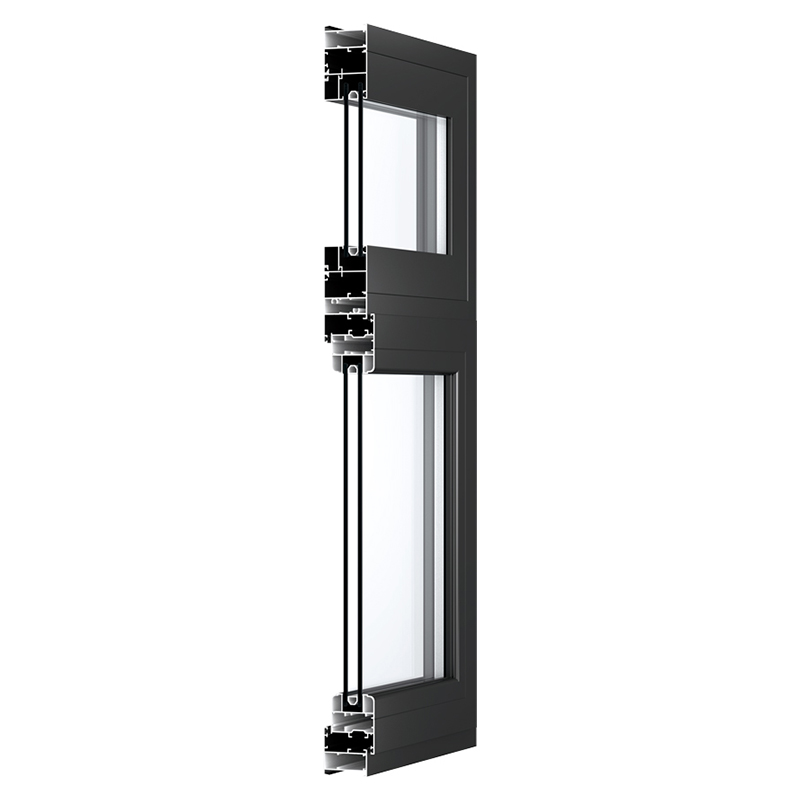
PA66 Nylon Strips and Multi-Cavity Profile Architecture
Inserting non-conductive barriers within aluminum extrusions eliminates thermal bridging across the window frame.
- PA66 Polyamide Insulation: High-strength PA66 thermal break aluminum windows utilize reinforced nylon strips to physically sever the metal profile heat path.
- Multi-Cavity Extrusion Design: Multi-chamber 6063-T5 aluminum extrusions lock dead air inside profile cores, reducing conductive heat transfer.
- Double Thermal Break Construction: Advanced double thermal break aluminum windows introduce dual insulation chambers, creating maximum resistance against severe ambient temperatures.
High-Performance Glazing and Multi-Channel EPDM Sealing
Combining insulated glass with multi-layer weatherstripping ensures an airtight, weather-resistant building envelope.
- Double-Glazed Insulated Units: Double-glazed thermal-break windows filled with inert argon gas dramatically retard convective heat loss.
- Low-E Glass Aluminum Windows: Low-Emissivity glass coatings reflect infrared heat away from homes while permitting natural visible light, improving overall thermal performance.
- Continuous EPDM Sealing: Multi-channel EPDM rubber gaskets establish resilient compression seals around operable sashes, eliminating air infiltration.
Practical Applications: Matching Product Series to Specific Climate Scenarios
Deploying specialized energy-efficient aluminum windows solves distinct environmental and architectural challenges across global climate zones.
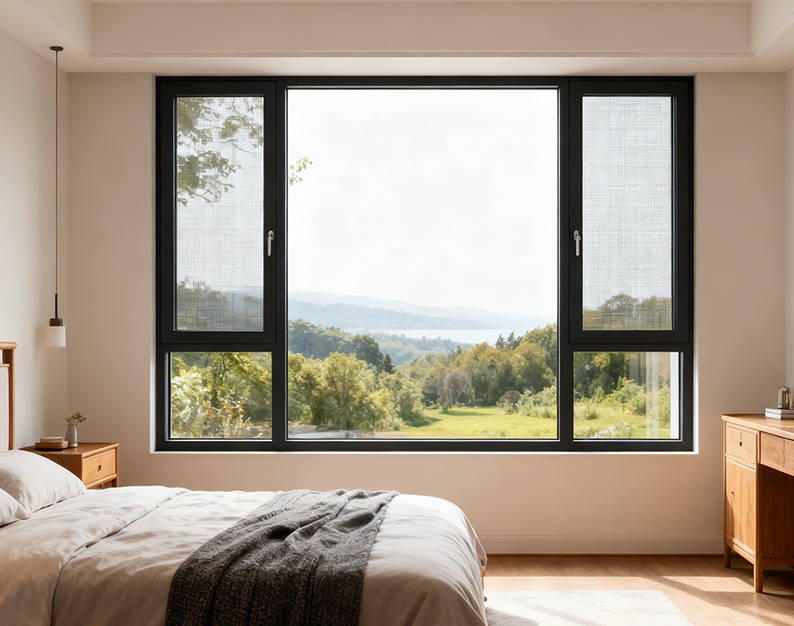
Hot Coastal & Desert Climates: Blocking Solar Heat Gain in Perth and Aruba
Coastal villas and desert residences face continuous ultraviolet exposure, intense heat, and corrosive atmospheric salt spray. Selecting energy-efficient windows for hot climates helps control solar heat gain while maintaining indoor comfort.
- Thermal Break Casement Windows: PAVIDA 108 Thermal Break Casement Windowsuse extra-wide PA66 strips and Low-E glass to block intense summer heat penetration.
- Heavy-Duty Sliding Systems: PAVIDA 50 Series Heavy Duty Sliding Doors feature 2.0mm wall profiles and wide tracks engineered to resist coastal wind pressure.
- Panoramic Glass Connections: PAVIDA 80 Series Bi-Folding Doors provide broad outdoor openings while maintaining strict weather seals when closed.
Cold Northern Regions: Retaining Interior Heat in Sub-Zero Winters
Energy-efficient windows for cold climates require ultra-low thermal transmittance to keep heat inside during freezing weather.
- Double-Break Profile Systems: PAVIDA 128 Double Thermal Break Windowsdeliver exceptional thermal insulation with K-values as low as 1.8 W/(m²·K).
- Thermal Break Double Hung Windows: American-style double-hung windows offer dual vertically sliding sashes with multi-point weatherstripping to eliminate winter drafts.
- Draft and Condensation Defense: Warmer interior frame surfaces prevent glass frost formation and eliminate cold draft zones near large window walls.
End-to-End Project Support: From Custom Engineering to Global Delivery
Selecting custom thermal break aluminum window systems requires comprehensive service support from initial design verification through manufacturing and installation.
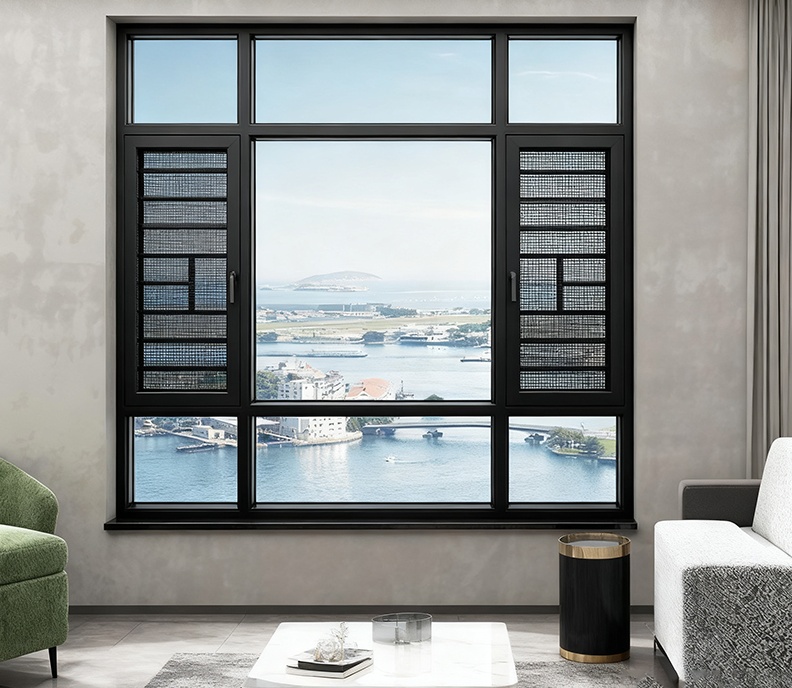
Precision Customization and Stringent Quality Assurance
Tailored manufacturing ensures every window package meets regional building codes, architectural styles, and performance targets.
- Custom Engineering Design: PAVIDA specialists provide CAD construction drawings and 3D renderings to match window schedules with building aesthetics.
- Precision CNC Manufacturing: Production at our Foshan facility features advanced CNC machining, ensuring custom sizing and powder-coated finishes in 15 to 35 days.
- Factory Quality Inspection: Comprehensive water-spray, air-tightness, and wind-load testing verifies structural integrity before global export packaging.
Take Control of Your Energy Bills with PAVIDA
Investing in high-performance thermal break aluminum window frames delivers long-term HVAC utility savings, superior sound insulation, and modern architectural elegance. PAVIDA combines premium raw materials, German hardware integration, and global project coordination to create custom window solutions that stand up to the harshest environmental conditions. Contactez l'équipe d'ingénierie de PAVIDA dès aujourd'hui to request a quote and customized window schedule for your next project.
FAQ (questions fréquentes)
Q: How do thermal break aluminum windows cut HVAC bills by up to 20%?
A: Thermal breaks insert non-conductive PA66 nylon strips between inner and outer aluminum frames, stopping direct heat conduction. Paired with argon-filled Low-E double glazing, they minimize heat gain in summer and heat loss in winter, allowing HVAC systems to maintain indoor temperatures using up to 20% less energy.
Q: What is the primary difference between single and double thermal break windows?
A: Single thermal break frames utilize one insulation strip within the profile, whereas double thermal break systems feature dual insulating chambers and extra-wide PA66 strips. Double thermal break designs achieve lower U-factors, making them superior for regions experiencing severe cold or extreme heat.
Q: Are thermal break aluminum windows suitable for coastal homes exposed to salt air?
A: Yes. Premium 6063-T5 aluminum extrusions treated with fluorocarbon or powder-coated surface finishes resist salt-air corrosion, oxidation, and UV degradation. Combined with multi-channel EPDM rubber gaskets, these frames maintain long-term structural integrity and weather sealing in coastal environments.
Q: How do U-factor and SHGC ratings guide window selection for different climates?
A: In cold climates, choose a lower U-factor to prevent interior heating energy from escaping through the glass and frame. In hot, sunny climates, prioritize a lower SHGC to reflect solar radiation and prevent interior overheating. For extreme or variable climates, specify Low-E glass that balances both metrics.


Laisser une réponse