


15th octobre 2026
Architectural Innovation and Brand Vision in Modern Fenestration
Modern residential architecture demands a seamless blend of aesthetic minimalism, energy performance, and structural endurance. This case study explores how custom aluminium window and door solutions satisfy these rigorous demands in real-world Australian conditions. PAVIDA provides advanced aluminium window and door systems engineered for architects seeking high-performance glazing solutions.
Executive Summary: Redefining Australian Architecture
High-end residential builds across Australia now lean on custom aluminium glazing systems. These systems help balance wide glass views with tough local heat conditions.
Architectural Demand: Modern residential developments in Melbourne need high-performance fenestration systems. The systems must give clear views and still meet strict energy rating rules.
Engineering Solution: Pairing thermal break aluminium windows with double-glazed safety glass cuts heat transfer. It keeps the slim look of the frames intact.
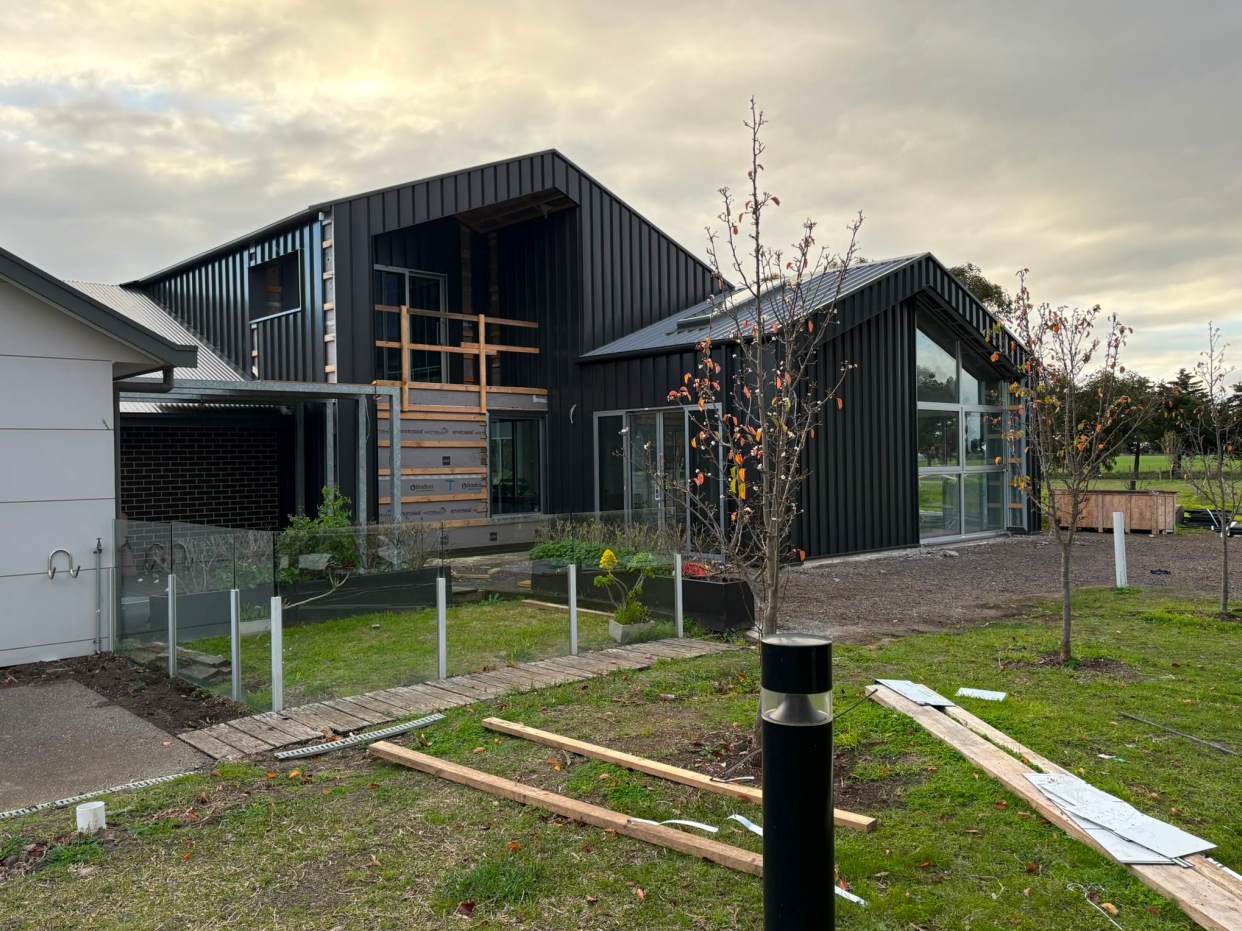
Project Focus: This study looks at a Melbourne residential build. It uses modern aluminium window systems and custom glazing solutions that fit the local weather and rural modern style.
Brand Profile: PAVIDA’s Engineering Excellence
As an established global architectural aluminium supplier, PAVIDA delivers precision-engineered fenestration systems for demanding international projects.
Integrated Capabilities: Operating as a direct custom aluminium window manufacturer and custom aluminium door manufacturer, PAVIDA combines in-house production, custom CAD design, and global distribution.
Quality Assurance: Every frame system is built with high-grade extrusion alloys, precision CNC processing, and multi-layer surface finishes compliant with international standards including AS2047.
Global Reach: Serving architects, developers, and builders worldwide, PAVIDA provides flexible OEM aluminium window supplier support to realize unique architectural visions.
Melbourne Case Study: Architectural Design Meets High Performance
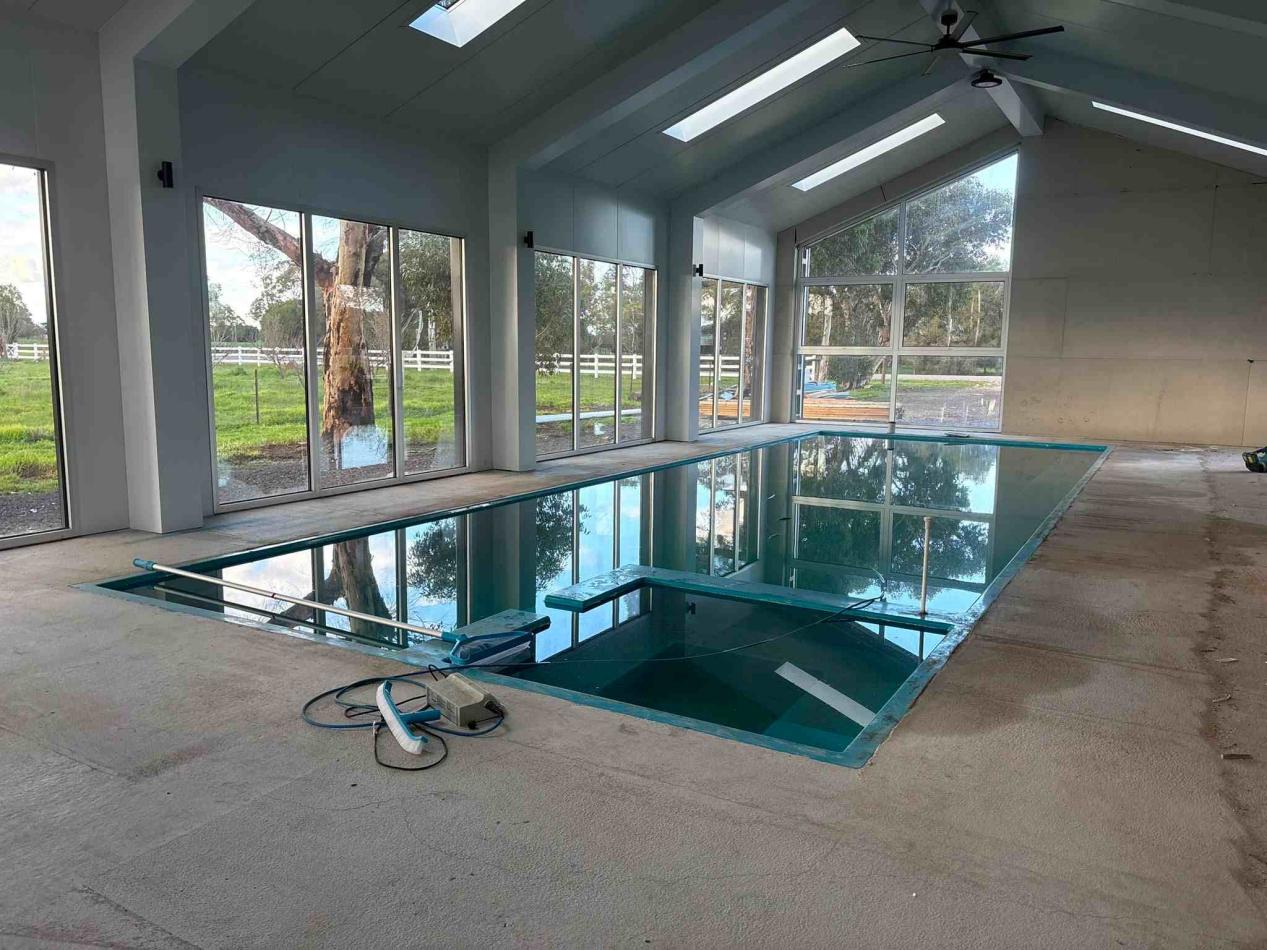
The Melbourne project demonstrates the dynamic synergy between rustic countryside vistas and modern industrial fenestration design. Here, high-spec architectural aluminium windows and architectural aluminium doors elevate both occupant comfort and visual harmony.
Design Context: Rural Modern Aesthetics in Melbourne
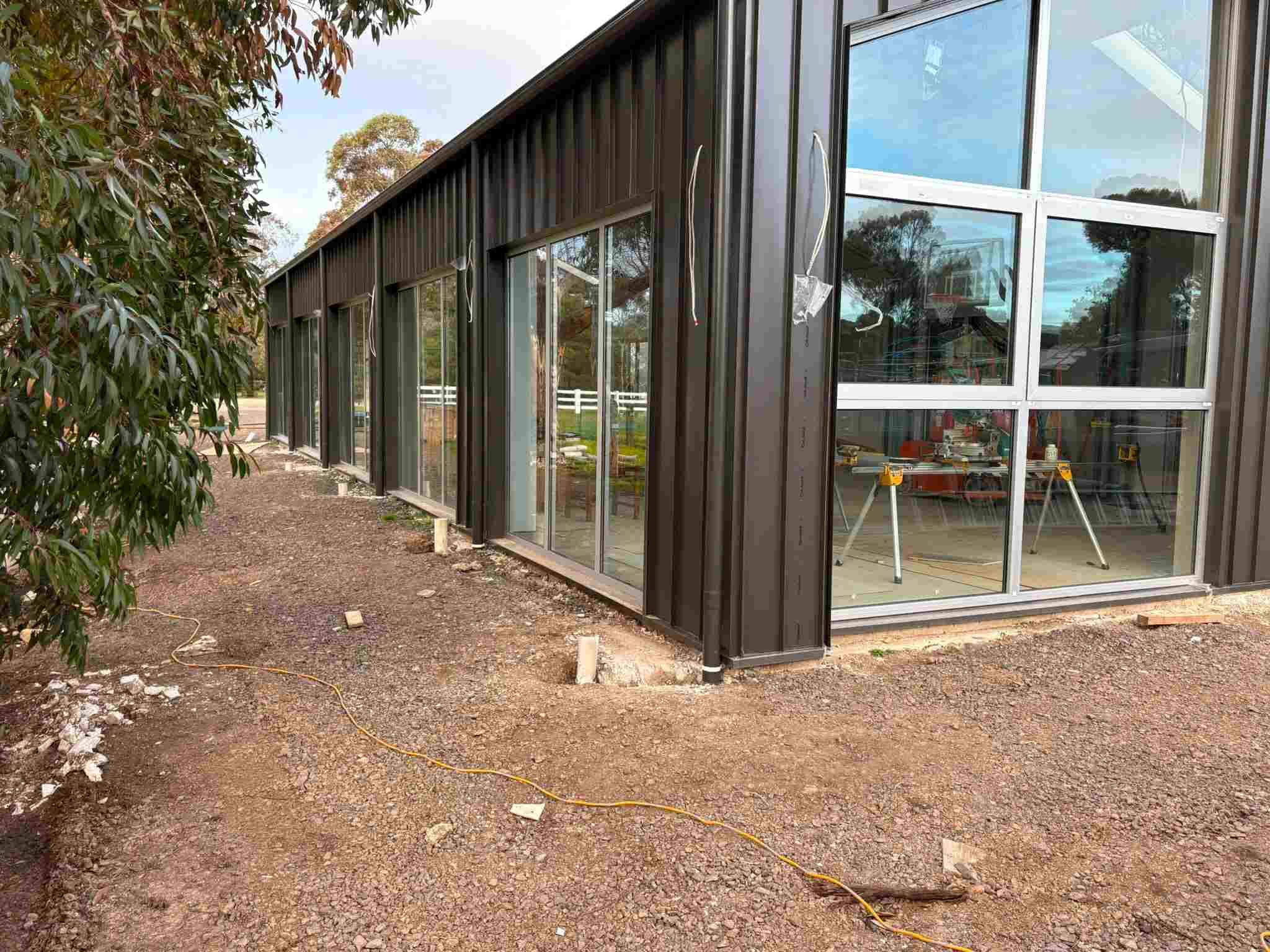
This Melbourne home sits in Victoria’s shifting climate zone. It needed aluminium windows Melbourne that could handle strong sun and cold winter winds.
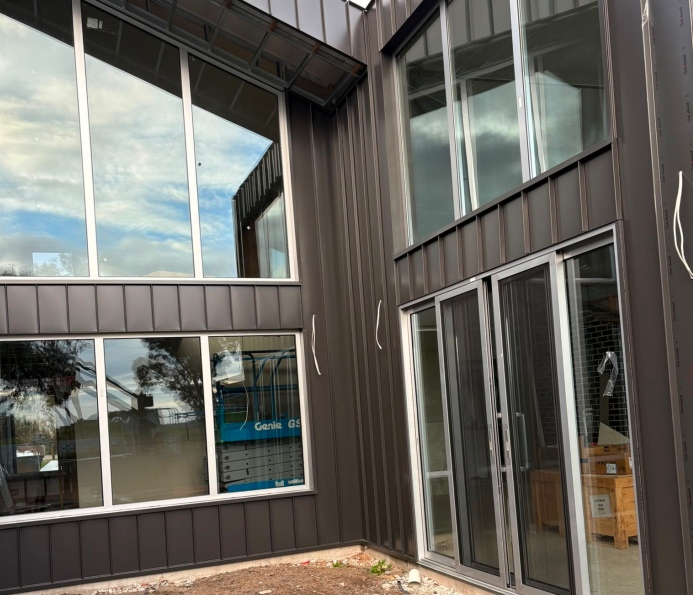
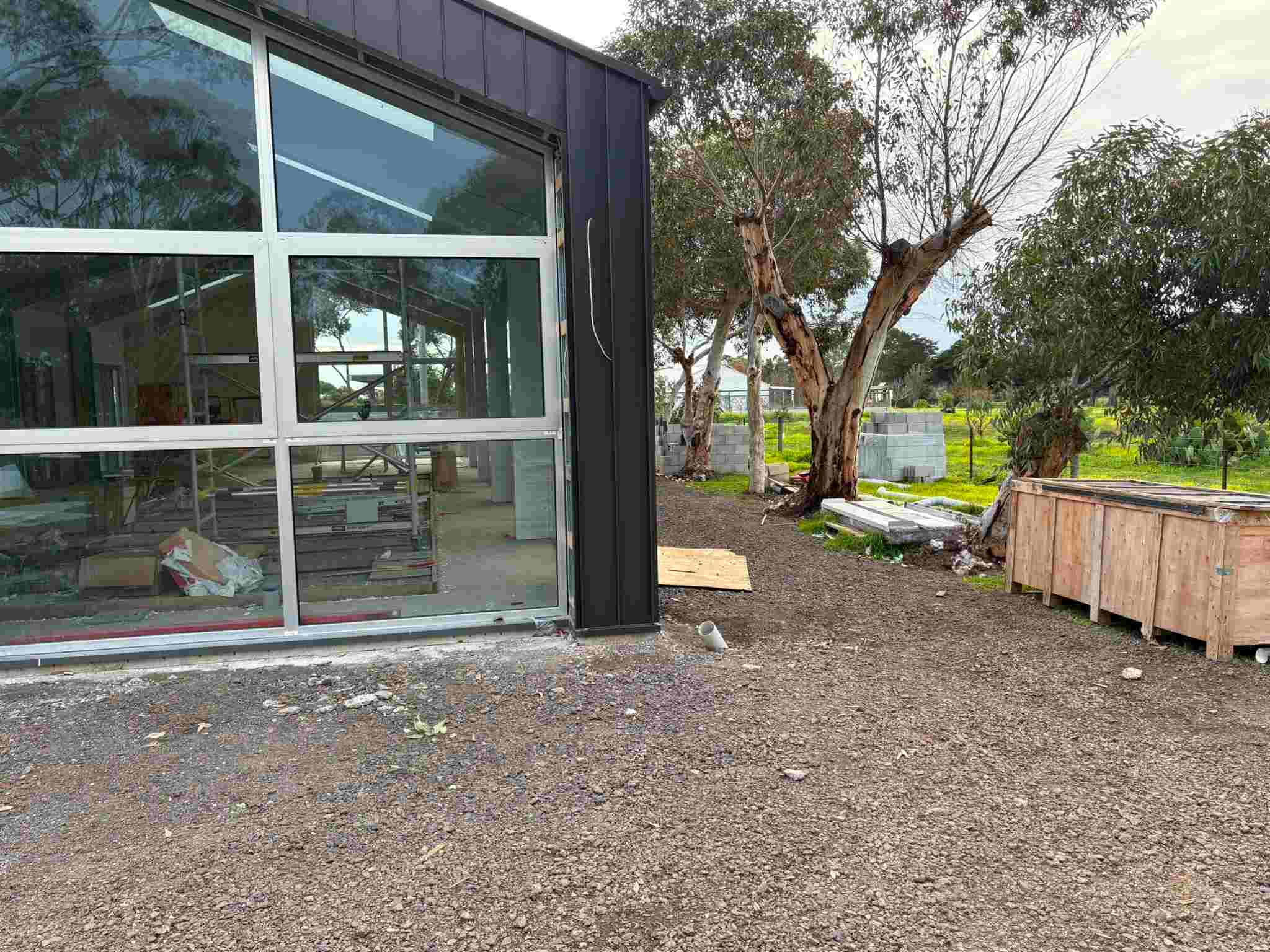
Visual Integration: Dark exterior metal cladding matched dark powder-coated frames. The choice echoed the rough look of the surrounding farmland.
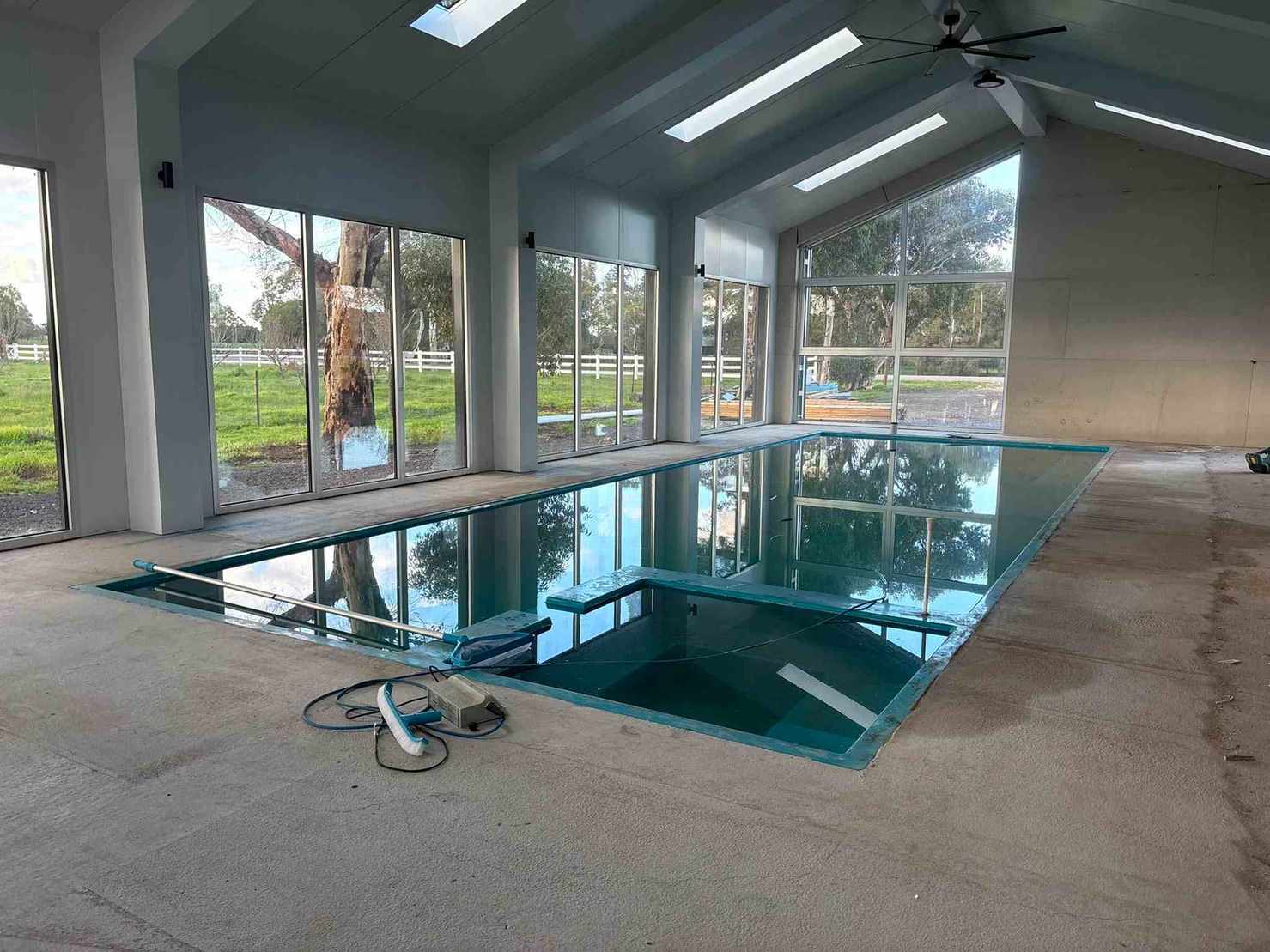
Daylight Optimization: Floor-to-ceiling glass panels bring in plenty of natural light. At the same time, they frame wide views across the property.
Climate Resilience: The design faces Melbourne’s sudden weather changes. Strong seals were added to block wind-driven rain and large temperature swings.
Product Integration: Realizing Vision Through Precision Systems
PAVIDA deployed a tailored suite of modern aluminium window systems and door assemblies to meet the project’s spatial and environmental needs.
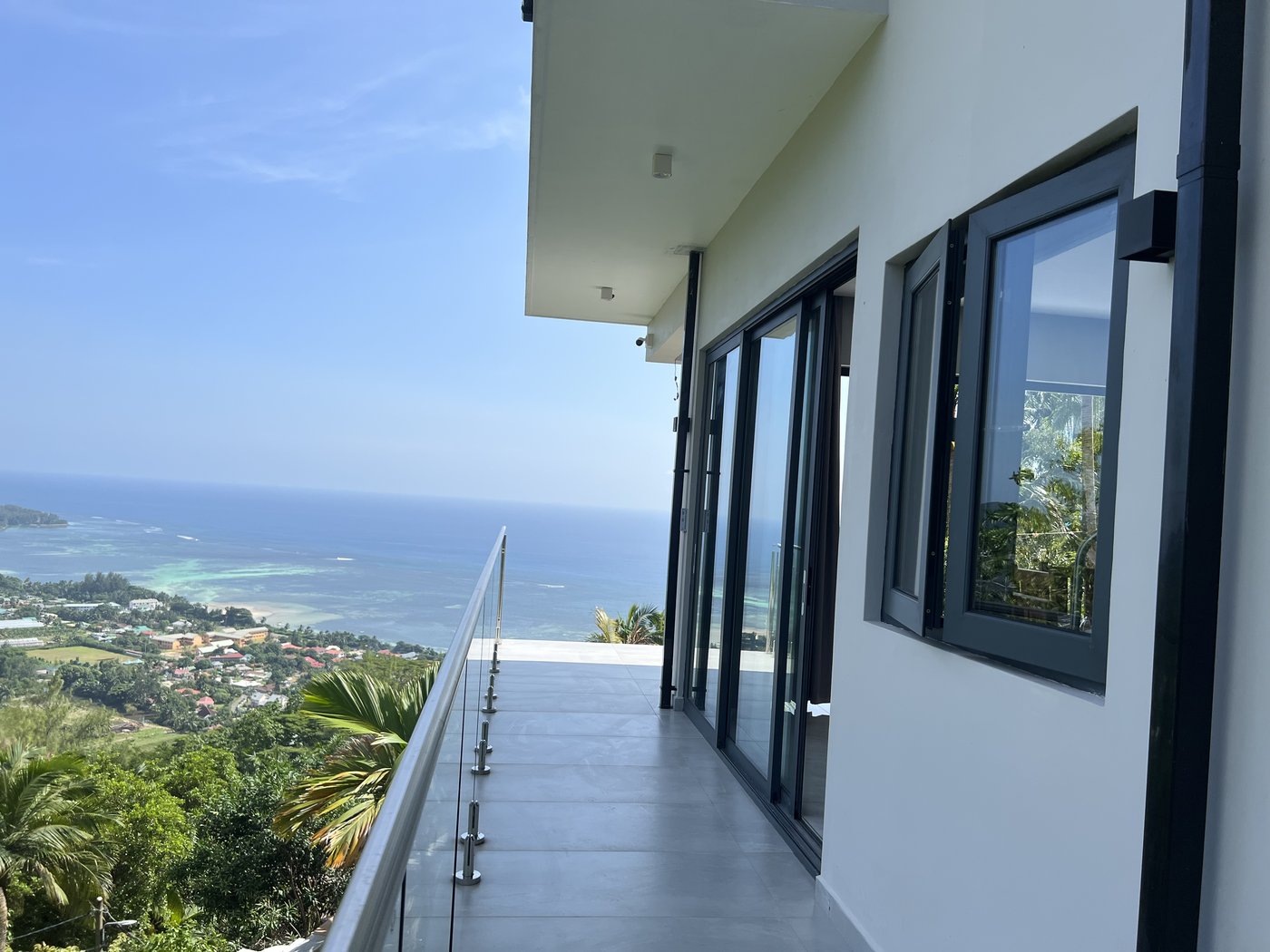
Aluminium Sliding Doors System: Installed in the primary living space, large glass aluminium doors with multi-track stacking mechanisms create an effortless transition between interior spaces and exterior decking.
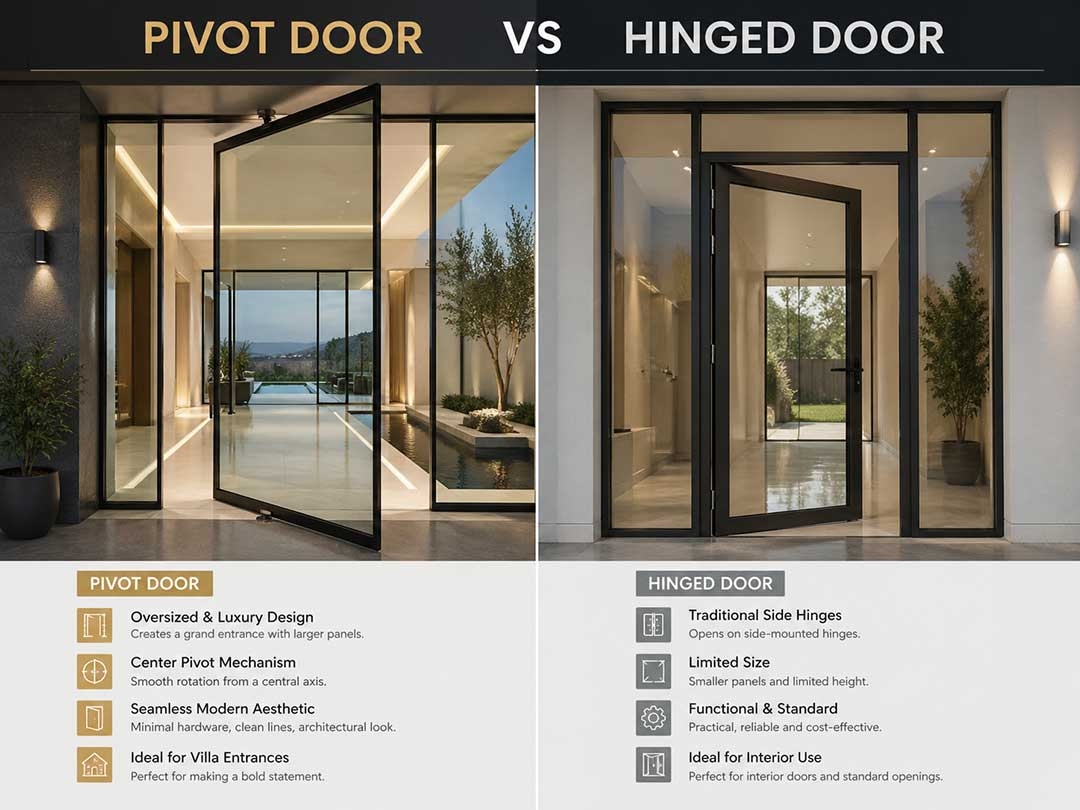
Ultra-Slim Aluminium PD Door: Applied in compact interior transition areas, this versatile slide-and-swing glass door utilizes top-hung tracks without floor threshold obstacles to maximize functional space.
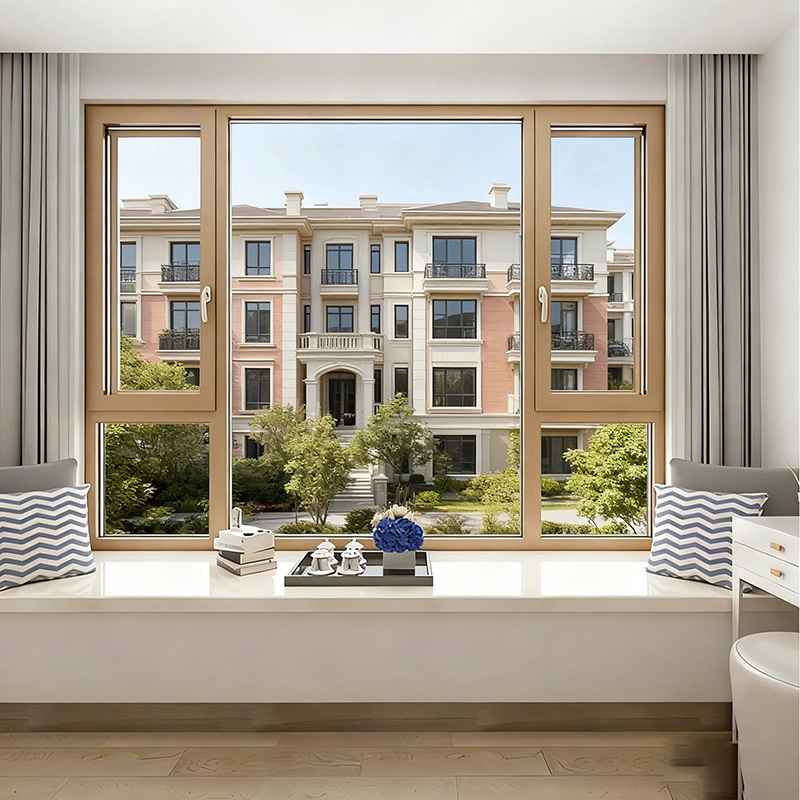
Thermal Break Casement Windows: Deployed across bedrooms and private areas, these units deliver controlled natural ventilation alongside superior acoustic dampening and weather tightness.
Custom Sunroom & Folding Doors: Integrated into the outdoor lounge area, custom folding doors convert the enclosed sunroom into an open-air pavilion during mild weather.
Advanced Technologies and Engineering Solutions
Achieving structural longevity and occupant comfort requires embedding state-of-the-art material science into every profile. PAVIDA’s systems integrate thermal isolation, structural durability, and tight environmental sealing.
Thermal Efficiency and Weather Sealing Engineering
Energy efficiency is fundamental to modern architectural doors and windows, particularly in extreme thermal environments.
Thermal Isolation Technology: Multi-cavity PA66 polyamide thermal-break strips create an impermeable barrier within profiles, turning them into highly energy-efficient aluminium windows.
Weather-Resistant Sealing: Multi-channel EPDM rubber gasket arrays prevent air infiltration and rainwater intrusion during heavy downpours.
Glazing Integration: Double- and triple-insulated low-E glass units minimize solar heat gain coefficient (SHGC) while maintaining optimal visible light transmittance.
Security Engineering and Structural Integrity
Beyond thermal control, structural rigidity and perimeter security remain essential criteria for large-format glass installations.
AS2047 Compliance: All architectural aluminium windows undergo rigorous testing to guarantee airtightness, water resistance, and structural deflection under high wind loads.
Multi-Point Locking Hardware: Precision multi-point lock mechanisms and anti-pry hardware are integrated into every architectural aluminium door framing system for maximum security.
3D CNC Relief Artistry: Front entrance door systems combine thickened alloy panels with high-precision 3D CNC engraving for striking curb appeal and impact resistance.
Comprehensive OEM Manufacturing and Project Support Services
Turning detailed architectural plans into finished buildings calls for steady teamwork between designers and makers from start to finish.
Tailored CAD Technical Design and Shop Drawings
Clear technical papers help avoid expensive changes during construction and keep the final work true to the original design.
Custom CAD Shop Drawings: PAVIDA’s engineering team supplies detailed shop drawings that cover anchor points, sill flashing, structural load calculations, and hardware locations.
Customized Profiles: Extrusions and hardware finishes are shaped to suit each project’s building envelope needs and visual style.
End-to-End OEM/ODM Manufacturing Support
Full manufacturing help makes ordering simpler for large homes and commercial projects.
Flexible Manufacturing: As a trusted OEM aluminium windows supplier, PAVIDA handles extrusion, thermal breaking, coating, assembly, and packaging in one facility.
Full Project Guidance: Technical staff guide work from the first drawings through production, export shipping, and on-site installation support.
Project Conclusion and Next Steps for Your Architectural Vision
The Melbourne residential project demonstrates how custom aluminium window and door systems elevate residential architecture through engineering precision, thermal performance, and seamless indoor-outdoor living.
Partner with PAVIDA
Ready to transform your upcoming architectural project with high-performance custom aluminium glazing systems?
Consult Our Engineers: Contact PAVIDA today to submit your architectural plans for custom CAD analysis and detailed job estimates.
Explore Custom Glazing: Discover how PAVIDA’s thermal break systems, large glass aluminium doors, and advanced window solutions can add lasting value to your developments.
FAQ (questions fréquentes)
Q: What are the major heat benefits of thermal break aluminium windows compared to conventional aluminium?
A: Conventional aluminium is highly conductive, causing energy waste. A thermal break incorporates a strip of low-conductive polyamide, such as PA66, between the indoor and outdoor parts of the frames to break the thermal bridge and save heat.
Q: Why is it important to meet AS2047 standards when designing custom aluminium windows and doors in Australia?
A: The Australian Standard AS2047 sets out the minimum requirements for windows and glazed doors, which must be complied with by custom designs to resist wind pressure, be watertight, structurally sound, and have proper air sealing.
Q: What should be taken into account when selecting large glass aluminium doors for windy areas?
A: It is necessary to ensure structural resistance to wind loads, thickness of laminated or toughened Low-E glass, anti-corrosion surface protection like anodizing or marine-grade powder coating, security multi-point locks, and EPDM weather sealing in multiple channels.
Q: In what way is a PD door system different from conventional sliding/bi-fold doors?
A: The PD door system incorporates both sliding and swinging action within one sash. Firstly, the panel slides in a top-hung channel without floor rails, and subsequently swings in a manner similar to a conventional door, thereby providing optimum width of opening without occupying additional internal space.


Laisser une réponse