







5th نوفمبر 2026
The main difference between single- and double-hung windows is the movement of the sashes; the single-hung window features an upper sash that does not move, whereas the lower one slides; on the contrary, the double-hung window allows both the upper and lower sashes to slide. The single-hung aluminum windows offer simple zone air movement and maintenance; the double-hung provides for control and more powerful airflow management, as well as external glass cleaning in certain variants. Yet, the proper design should take into account not only aesthetics, but also the room size and convenience of use.
Single Hung vs Double Hung Windows at a Glance
Neither design needs the swing clearance required by a casement sash since they are both vertical sliding windows. Thus, they are handy on top of counters, beside furniture, and along paths where a window that swings out might get in the way. There is one crucial operational difference that their similar designs can hide. They may look alike enough to be used (and performed) as identical solutions for media and the professional wrestling industry, but there is a crucial difference between their two designs.
How a Single Hung Window Opens
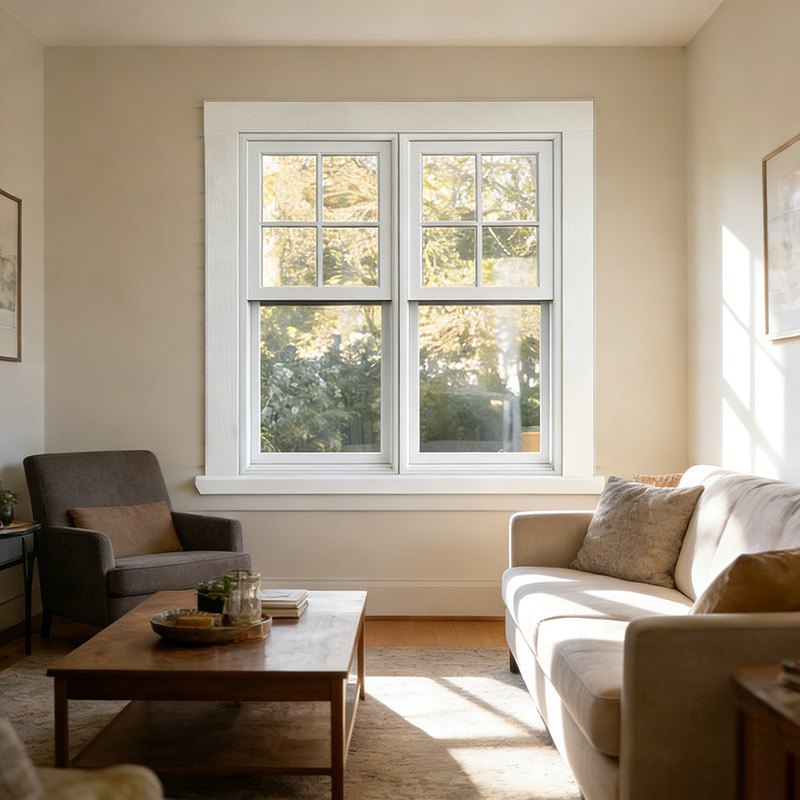
The upper part of a single hung unit stays stationary, and only the lower sash moves vertically. The simpler setup makes the day-to-day operation easy to grasp and limits the required moving parts that need periodic inspection. بافيدا places this design in the bedroom, kitchen, and bathroom where proper airflow and an easy space saver are key.
See the operating structure and application details for the PAVIDA single hung aluminum window. Its fixed upper sash and movable lower sash illustrate the defining single hung arrangement.
How a Double Hung Window Opens
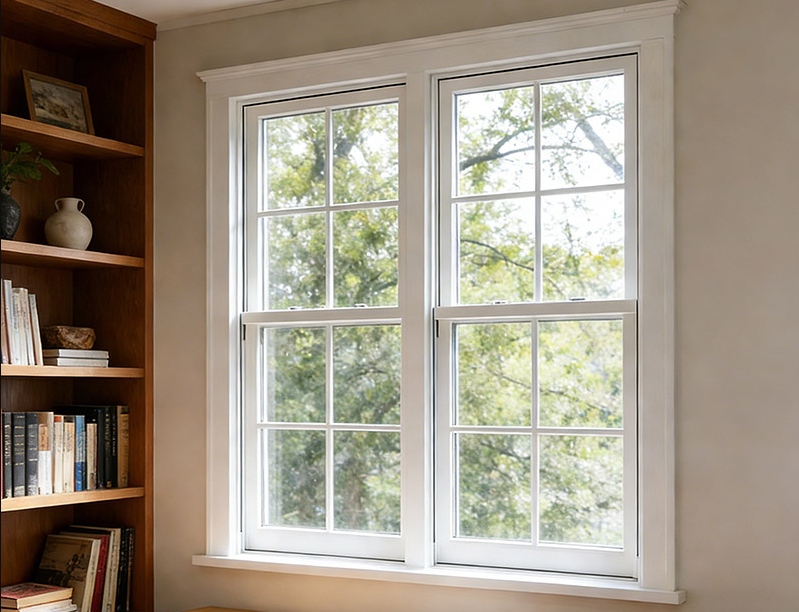
In a double hung window, both the upper and lower sashes are able to slide. This means that one can open the lower sash partially, slide the upper sash down, or do both to regulate the amount of air that enters the room. All these can be advantageous in case there are changes in the room’s conditions.
Ventilation Changes Between the Two Designs
It is not just about how big the opening itself or window ventilation is. The height and location of that opening govern the directions in which air is introduced, reintroduced at different angles when it escapes, or around people, furniture, and work spaces. How air comes in, goes out, and moves around occupants, furniture, or work areas depends on the size of that opening.
Simple Lower-Sash Ventilation
The air is then introduced through the bottom of this opening when a single hung aluminum window unit opens. This straight-through design is ideal for bedroom, kitchen, or bathroom ventilation where the simplified operation without airflow variations is desired. The window also always provides a constant upper glazed area, since the upper sash remains in place.
Adjustable High-and-Low Airflow
The double-hung design allows for even more combination possibilities with its two movable sashes. Opening them both encourages air to enter from lower levels and exit through upper ones, while opening only the top sash can eliminate a direct draft near a desk or sofa. However, real airflow is still dependent on wind speed and direction (if the opening can catch it), temperature difference between inside/outside air, size of opening, position in building, etc.
Compare these operating options on the PAVIDA double hung aluminum window product page. The movable upper and lower sashes show how one opening can support several ventilation patterns.
Space Cleaning and Daily Operation
Why Both Designs Work Near Furniture
Both types of windows move within their own frame rather than extending into the space or under the facade. A piece of furniture may be close to the window, and a countertop or exterior guardrail need not open with an in-swinging sash. It is essential for the designer to maintain access points such as locks, handles, tracks, and drainage paths.
When Reversible Cleaning Matters
Cleaning access can be the clincher on upper levels. PAVIDA double hung sash reversal capabilities allow interior reach to both glass. That feature should be on a model-by-model basis, not across the entire range. A single hung window is still easy to clean on the room side, but exterior cleaning depends on where it has been installed.
Choosing the Right Window for Each Room
Bedrooms, Kitchens, and Bathrooms
A single-hung window is a perfect match where residents desire simple lower-sash ventilation, an unobtrusive opening solution, and easy cleaning. Typically in a kitchen it travels vertically enough to not clashing with an inward swing; and generally for bedroom or bathroom the upper fixed portion allows full window which has stable glazed panel, while lower sash is only for daily ventilation.
Living Rooms, Hotels, and Offices
Double-hung windows work well in locations where ventilation patterns may need to be adjusted often. Upper-sash exhaust can help when seating is near the wall in a living room, but hotels and offices might want to vary openings based on how many are inside. Restrictors and fall protection are still tied to project-specific safety requirements, while merely cracking open the upper sash can maintain a higher active opening.
Performance Depends on More Than Sash Movement
Glazing Seals and Frame Integration
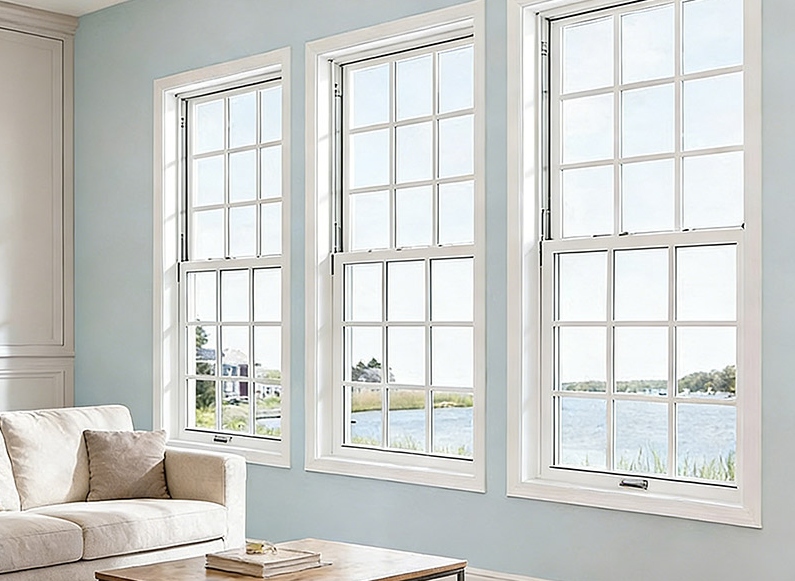
The key to energy-efficient aluminum windows is in the full assembly. All of these factors are key to heat transfer, drafts, rain resistance, and noise control: insulated glazing; continuous seals; properly aligned sashes with sound perimeter joints and frame construction. There are no definitive conclusions on whether or not the opening style alone ensures one window will outperform another. A test against opening style alone cannot show whether one window performs better than another.
Installation and Maintenance Access
The vertical operating sash windows ought to be installed in such a manner that sash does not get trapped but seal properly. Tracks must be kept clean; drainage routes free from obstruction and hardware must move easily without friction. These minor things done on a day-to-day basis will prove more beneficial than a useless novelty act.
How PAVIDA Supports the Final Window Choice
PAVIDA comes in single and double hung aluminum formats, enabling the window schedule to suit how a room is going to be used versus enforcing one design across an entire building. A tangible selection process starts by removing barriers to exchange, decisions about furniture layouts, airflow in the desired direction, and cleaning conditions before determining what sash & hardware configurations are appropriate at each location.
Review the broader range of نوافذ الألومنيوم بافيدا to coordinate different rooms within one project. Comparing the available opening styles helps keep the window schedule responsive to each space.
استنتاج
Choosing single hung over double hung windows is really about the trade-off between the more straightforward operation of the lower sash and control of where that ventilation happens. Single hung styles fit small, functional spaces and minimal upkeep priorities; double hung designs provide upper-and-lower airflow versatility and indoor accessibility for cleaning. With PAVIDA, designers have an easy way to customize the opening mechanism according to how each room is truly used.
Explore PAVIDA window options to identify the sash configuration that best supports your space, ventilation plan, and maintenance needs.
أسئلة متكررة
Q: What is the main difference between single hung and double hung windows?
A: Fixed upper sash windows and movable lower sash windows are known as single hung windows. Double hung windows have two movable sashes, both being on the upper side and the lower side of the sliding frame window. The difference plays an important role as far as the operations related to ventilation, cleaning, and hardware are concerned.
Q: Are single hung windows suitable for small rooms?
A: Yes. Single hung windows have a sash that moves up and down within the frame and doesn’t open inward or outward from the building’s facade. This means it can be installed around beds, countertops, and furniture – balconies as well as outdoor guardrails. However, there will still be enough room to handle, lock, monitor, and clean the surrounding surfaces.
Q: Are double hung windows easier to clean?
A: Yes. Some types of PAVIDA double hung windows are designed such that the sashes can be reversed, allowing both the glass panes to be cleaned from inside. It is important to note that not all types of double hung windows are fitted with this clean-out feature or pulleys.


اترك رد